Australian Shepherd vs Hamiltonstovare
Side-by-side comparison across all 14 AKC trait ratings, with a clear verdict on which breed fits which kind of household.

Not sure which breed fits your life?
Answer five questions about your home, your schedule, and your tolerance for shedding. We’ll match you to your top three breeds from over 200.
Australian Shepherd vs Hamiltonstovare
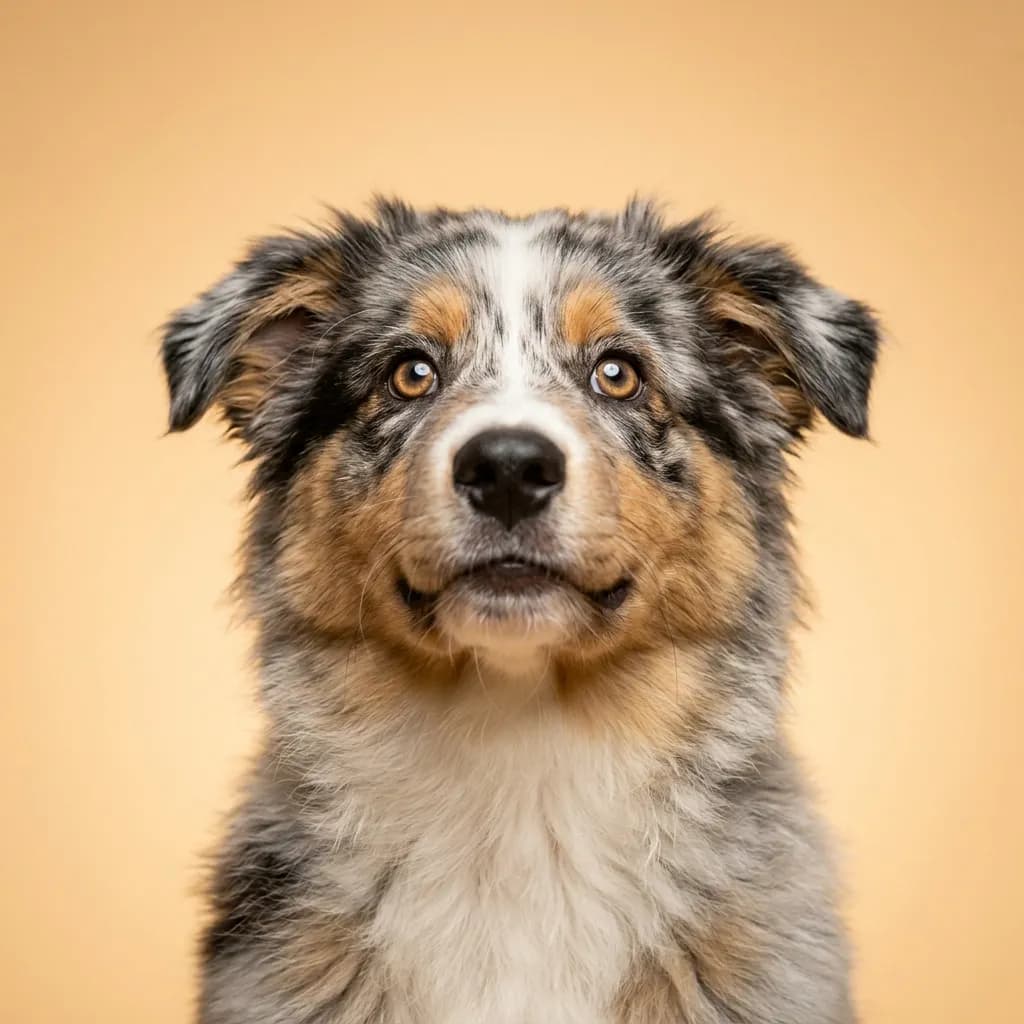
People compare Australian Shepherds and Hamiltonstovares because they’re both medium-sized, energetic dogs with a nose for action and a look that turns heads at the dog park. But that’s where the similarities fade like a trail in the rain. If you’re torn between them, you’re really asking: do I want a dog that lives in my head or my heels? The Aussie is your co-pilot. Bred to work cattle on wide-open American ranches, it’s wired to partner with you. intensely. These dogs thrive on tasks, puzzles, dog sports, or literally anything that keeps their brain buzzing. Leave them idle and they’ll reorganize your sock drawer. They’re affectionate in a busy kind of way, loyal but not clingy, and they need owners who understand that “trainability” doesn’t mean “easy.” With the MDR1 gene quirk, some meds can knock them out cold. something every owner must know. The Hamiltonstovare, on the other hand, is a Swedish fox hunter built for endurance and scent. Calmer in the house, yes, but let that nose catch a whiff and they’re gone. off-leash recall is a fantasy. They’re affectionate in a steady, quiet way, more companion than collaborator. They don’t need constant mental gymnastics, but they do need miles of trail or field. Apartment life? Neither will tolerate it, but the Aussie might at least pretend to. Here’s the truth the breed standards won’t tell you: Aussies bond to a person; Hamiltonstovares bond to a lifestyle. Pick the Aussie if you want a dog that wants to do everything with you. Pick the Hamiltonstovare if you want a dog that wants to go somewhere with you.
Trait-by-trait
Higher bar = more of that trait. Shedding, barking, drooling, grooming flipped for readability.Where they diverge
Choose the Australian Shepherd if…
- Active people
- Families
- Dog sports enthusiasts
- You value mental stimulation needs — Australian Shepherd scores noticeably higher.
Choose the Hamiltonstovare if…
- Hunters
- Active families
- Rural living
- You value good with strangers — Hamiltonstovare scores higher here.