Australian Stumpy Tail Cattle Dog vs Basenji
Side-by-side comparison across all 14 AKC trait ratings, with a clear verdict on which breed fits which kind of household.
Not sure which breed fits your life?
Answer five questions about your home, your schedule, and your tolerance for shedding. We’ll match you to your top three breeds from over 200.
Australian Stumpy Tail Cattle Dog vs Basenji
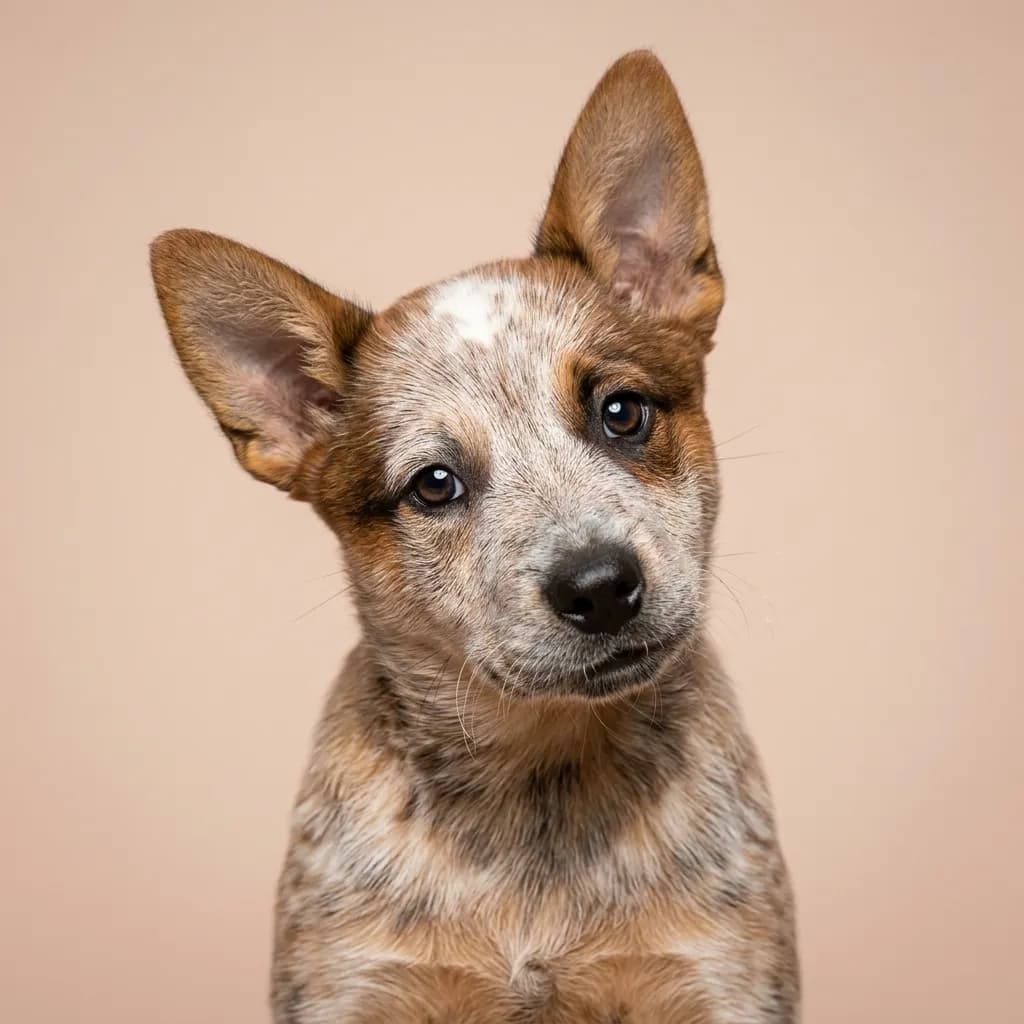
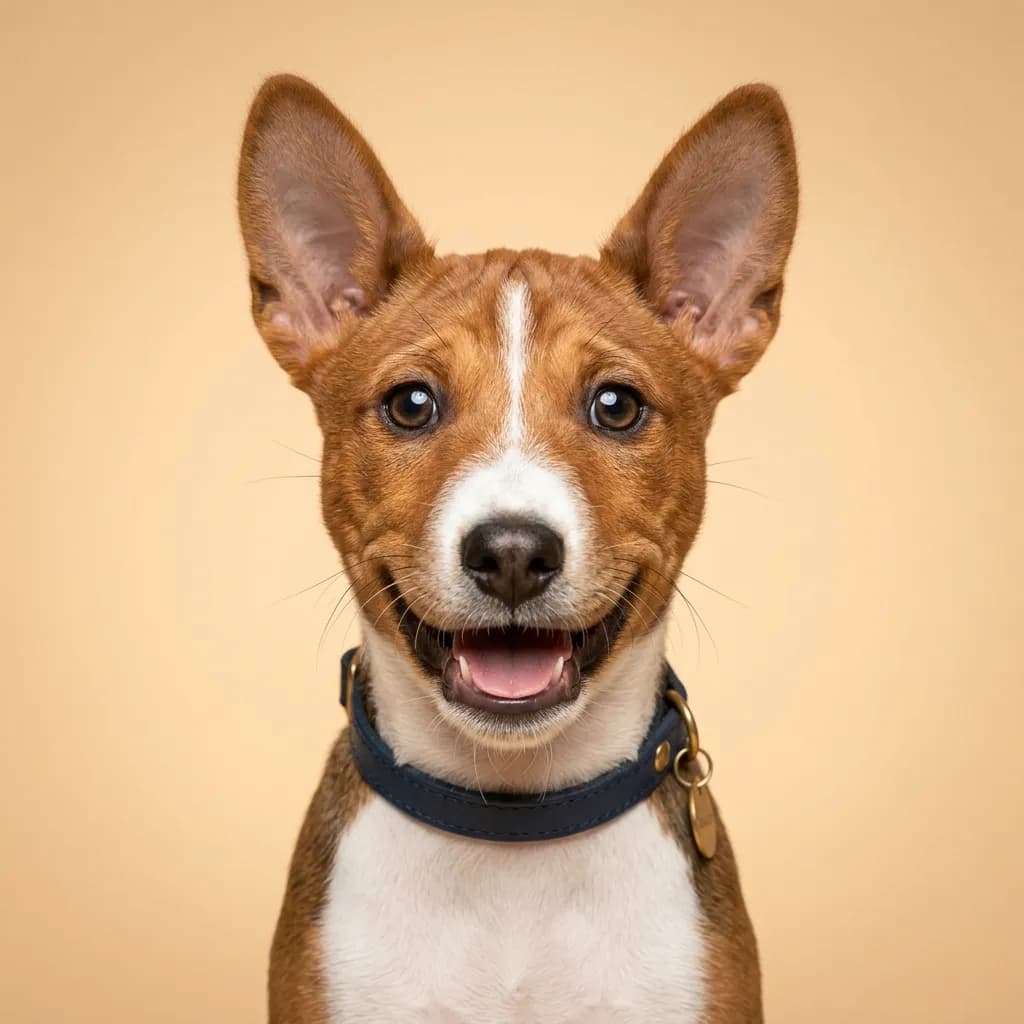
People compare Australian Stumpy Tail Cattle Dogs and Basenjis because both are compact, tidy, and famously quiet. not barkers in the traditional sense. But that’s where the similarity ends. These aren’t two paths to the same destination. They’re entirely different trips. The Stumpy was built for wide-open spaces. It’s a working cattle dog forged by the harsh demands of the Australian outback. driving livestock for miles under a relentless sun. It’s got raw energy, intense focus, and a body built for endurance. You’ll need acres, a job, or both. This dog thrives with structure and physical demand. It’s trainable but stubborn, affectionate in bursts, and won’t tolerate neglect. If you’re on a farm or live an active rural life and want a dog that works beside you, the Stumpy delivers. The Basenji, in contrast, is a quiet predator from Central Africa. It doesn’t bark. it yodels, howls, chatters. Independent to a fault, it’s smart but wary, clean like a cat, and deeply self-reliant. It can adapt to city living if mentally challenged, but it won’t obey just because you asked. Basenjis escape, hunt small animals, and make their own decisions. They bond deeply but on their terms. Here’s the real talk: neither are good beginner dogs. But if you want a partner who’ll follow through on a task, pick the Stumpy. If you want a feline-like companion with ancient instincts and a mischievous streak, the Basenji might just let you share its life. And one thing most miss: both may be “quiet,” but silence in a Stumpy means focus. In a Basenji, it means plotting. Know the difference.
Trait-by-trait
Higher bar = more of that trait. Shedding, barking, drooling, grooming flipped for readability.Where they diverge
Choose the Australian Stumpy Tail Cattle Dog if…
- working farms
- active rural owners
- experienced herding dog handlers
- You value coat grooming — Australian Stumpy Tail Cattle Dog scores noticeably higher.
Choose the Basenji if…
- Apartments
- Experienced owners
- Allergy sufferers
- You value good with other dogs — Basenji scores higher here.