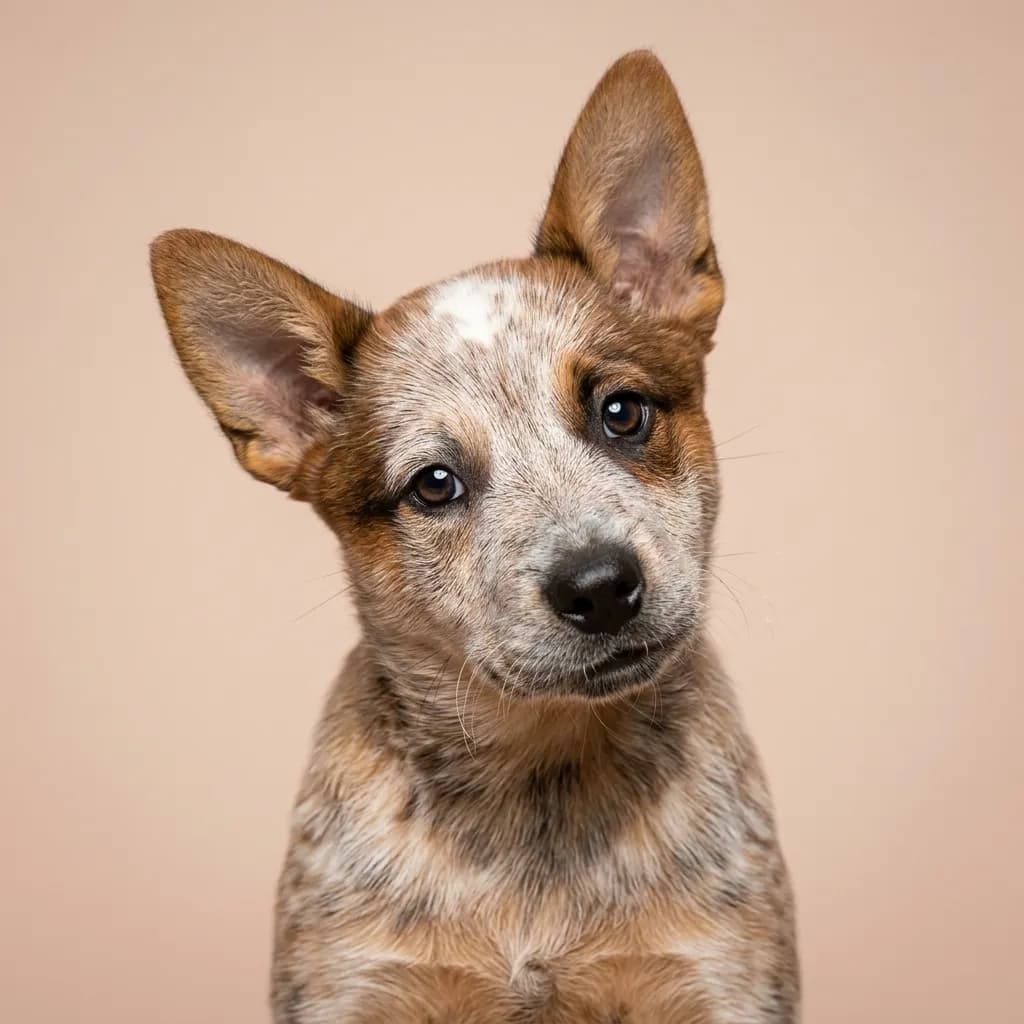
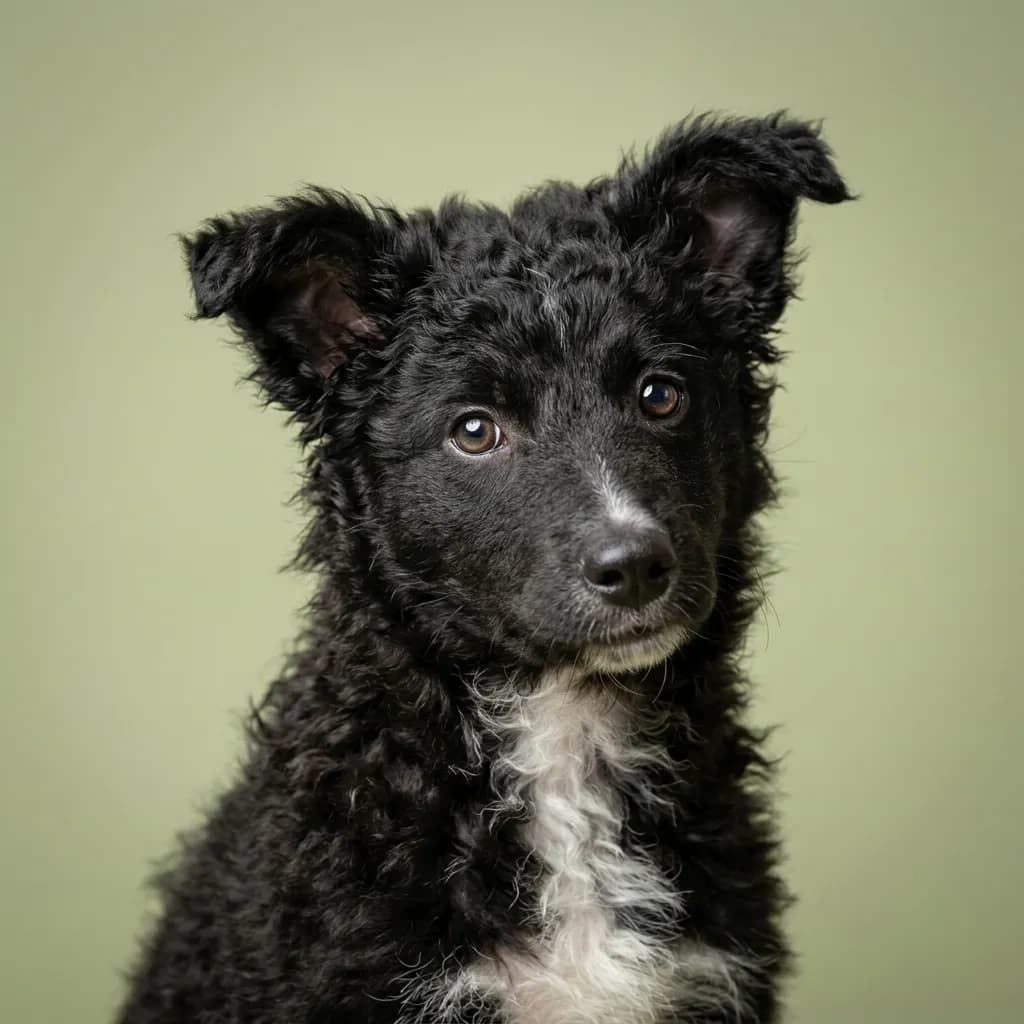
Australian Stumpy Tail Cattle Dog vs Mudi
Side-by-side comparison across all 14 AKC trait ratings, with a clear verdict on which breed fits which kind of household.
Not sure which breed fits your life?
Answer five questions about your home, your schedule, and your tolerance for shedding. We’ll match you to your top three breeds from over 200.
Australian Stumpy Tail Cattle Dog vs Mudi
People compare the Australian Stumpy Tail Cattle Dog and the Mudi because they’re both rare, high-energy herding breeds that look vaguely alike at a glance. compact, alert, with natural bobtails and a wiry intensity. But that’s where the similarities end. If you’re choosing between them, you’re not just picking a dog. You’re picking a lifestyle. The Stumpy is a powerhouse bred for the vastness of the Australian outback, driving cattle across brutal terrain. It’s got relentless stamina and a quiet focus. barks little, works hard, bonds deeply with its person. But it’s not particularly affectionate on demand and can be standoffish with kids. It thrives with experienced handlers who have space and a job for it to do. You’ll need to work it hard, mentally and physically, or you’ll pay the price in chewed baseboards and escape attempts. The Mudi, on the other hand, is like a herding dog crossed with a agility competitor and a touch of circus performer. From Hungary, it’s smaller, louder, and way more biddable. It wants to please, learns tricks in minutes, and will follow you from room to room like a shadow. It’s more adaptable. can live in a rural home or a suburban house with a yard. so long as you’re out hiking, training, or doing dog sports daily. But that barking? Real. And the price tag? Steep, thanks to its rarity in the US. Here’s the real insight: the Stumpy will tolerate you out of duty. The Mudi will adore you. passionately, noisily, and without reservation. If you want a partner in work, pick the Stumpy. If you want a partner in life, go for the Mudi.
Trait-by-trait
Higher bar = more of that trait. Shedding, barking, drooling, grooming flipped for readability.Where they diverge
Choose the Australian Stumpy Tail Cattle Dog if…
- working farms
- active rural owners
- experienced herding dog handlers
- You value coat grooming — Australian Stumpy Tail Cattle Dog scores noticeably higher.
Choose the Mudi if…
- Active families
- Experienced herding breed owners
- Dog sport enthusiasts
- You value barking level — Mudi scores higher here.