Australian Stumpy Tail Cattle Dog vs Puli
Side-by-side comparison across all 14 AKC trait ratings, with a clear verdict on which breed fits which kind of household.
Not sure which breed fits your life?
Answer five questions about your home, your schedule, and your tolerance for shedding. We’ll match you to your top three breeds from over 200.
Australian Stumpy Tail Cattle Dog vs Puli
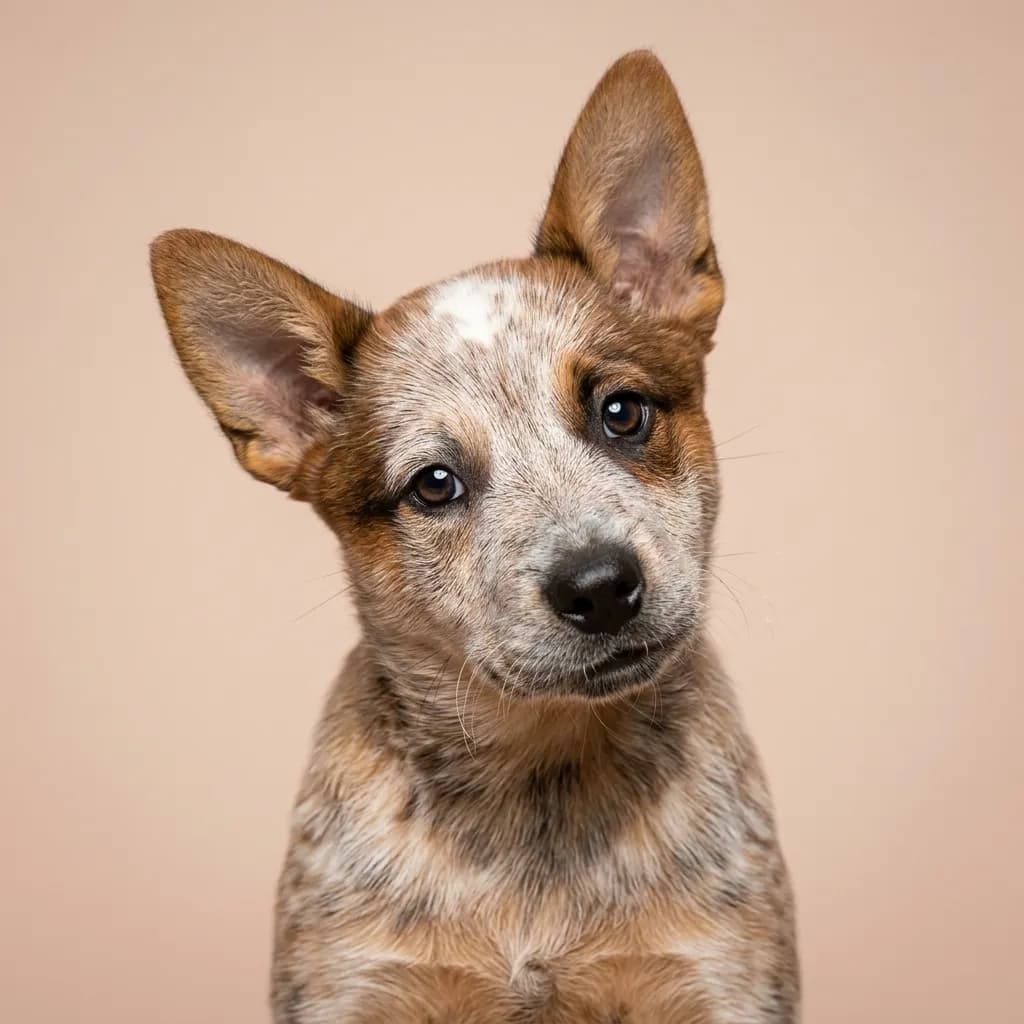
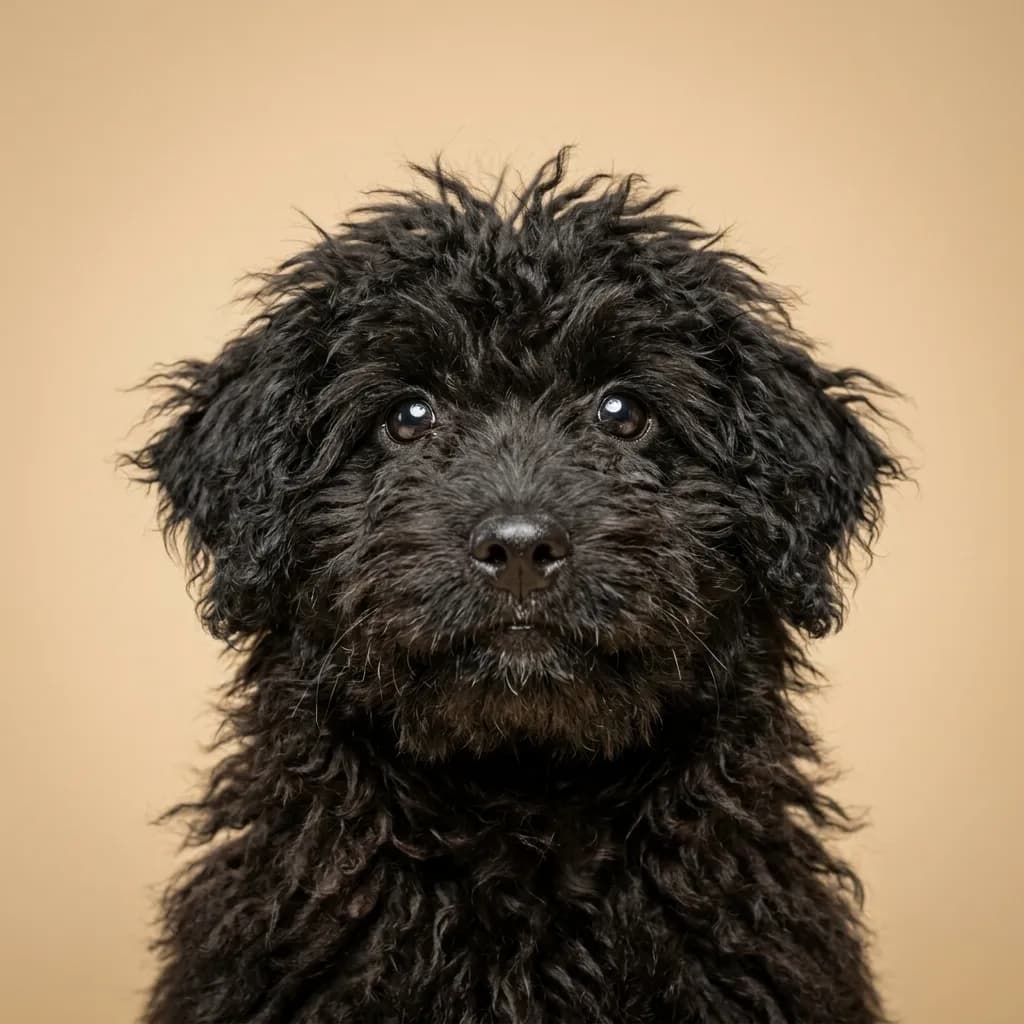
People compare the Australian Stumpy Tail Cattle Dog and the Puli because both are compact herding breeds with intense energy and a look that turns heads. But that’s where the similarities end. One is a lean, no-nonsense cattle driver built for wide-open spaces. The other is a mop-topped guardian with a big personality packed into a smaller frame. The Stumpy is all business. Bred to work all day in the harsh Australian outback, this dog has relentless energy and focus. It won’t bark much, but it will move livestock with precision, often nipping heels without hesitation. It’s trainable but stubborn. 3 out of 5 isn’t high for a herding dog. and it demands purpose. You don’t just own a Stumpy. You work with it. Without enough physical and mental challenge, it becomes destructive. Kids aren’t its priority, and apartments are a disaster. The Puli, in contrast, thrives on closeness. It bonds deeply with its family, scores high on affection, and is eager to learn. 5 out of 5 on trainability. Its signature corded coat isn’t just for show. It takes serious upkeep. You’re committing to hours of grooming, especially when wet or muddy. But in return, you get a dog that adapts well to suburban life, loves routines, and watches over your home with quiet vigilance. Here’s the real difference: the Stumpy lives to work. The Puli lives to be with you. Choose the Stumpy if you run a farm or hike 10 miles a day and want a dog that works beside you. Choose the Puli if you want a devoted, intelligent companion who’ll learn tricks fast but expects daily grooming and emotional connection. And be honest. both need experienced hands. Neither forgives neglect.
Trait-by-trait
Higher bar = more of that trait. Shedding, barking, drooling, grooming flipped for readability.Where they diverge
Choose the Australian Stumpy Tail Cattle Dog if…
- working farms
- active rural owners
- experienced herding dog handlers
- You value shedding level — Australian Stumpy Tail Cattle Dog scores noticeably higher.
Choose the Puli if…
- Active families
- Experienced dog owners
- Those wanting a unique coat
- You value affectionate w/ family — Puli scores higher here.