Australian Terrier vs Great Pyrenees
Side-by-side comparison across all 14 AKC trait ratings, with a clear verdict on which breed fits which kind of household.
Not sure which breed fits your life?
Answer five questions about your home, your schedule, and your tolerance for shedding. We’ll match you to your top three breeds from over 200.
Australian Terrier vs Great Pyrenees
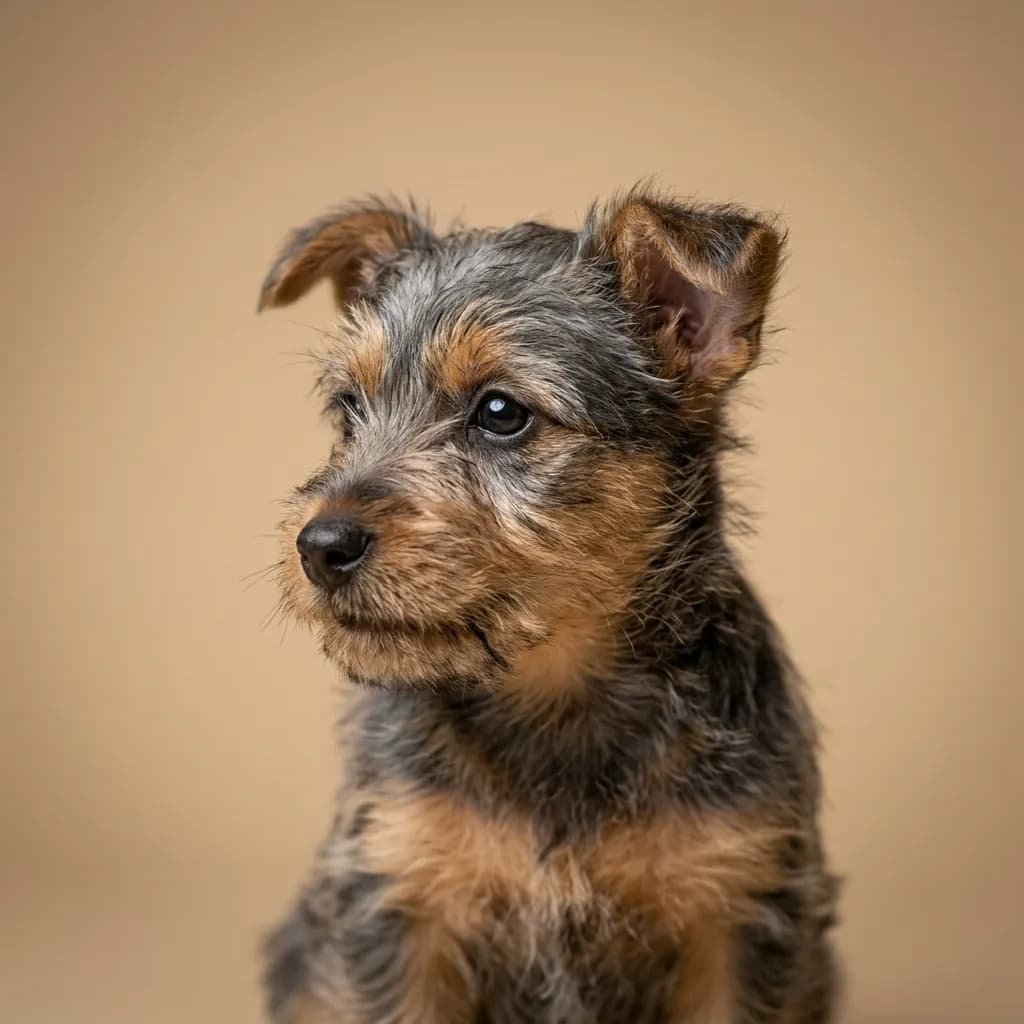
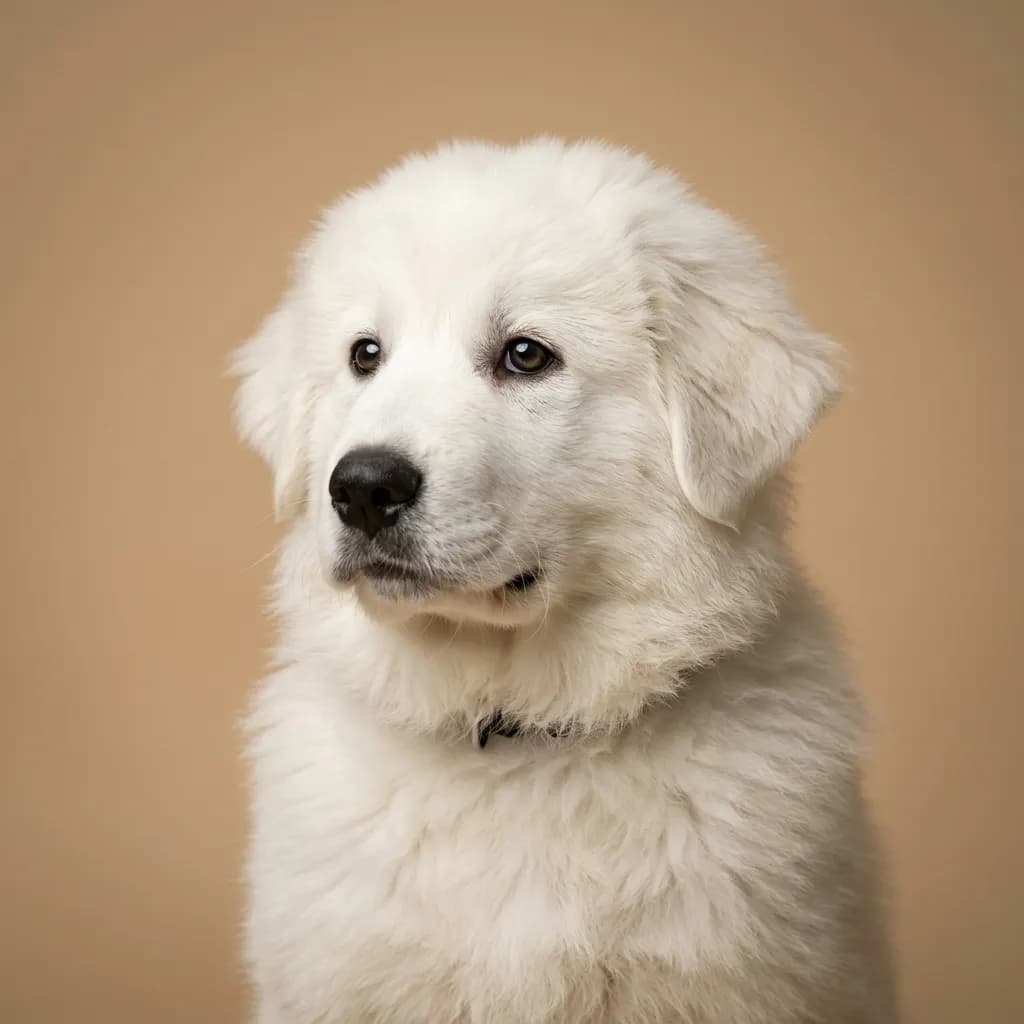
You’re probably comparing an Australian Terrier and a Great Pyrenees because you want a loyal dog who’s good with kids, but that’s where the similarities end. One’s a feisty little dynamo built for corralling snakes in the Australian outback; the other’s a massive, serene mountain dog bred to stand guard over sheep through freezing alpine nights. If you're torn between them, you're really deciding between a spirited pocket-sized watchdog and a gentle giant who thinks your backyard is his kingdom. The Aussie Terrier is loud, bold, and always on duty. At 15 pounds, he’ll alert you to every passerby, squirrel, and breeze. barking is his love language. He’s clever, easy to train, and thrives in apartments or with seniors who can keep up with his energy. But don’t bring home a rabbit or even a hamster; his prey drive is no joke. He’s low-shedding, which helps, but you’ll trade that for skin sensitivities and the need for daily mental puzzles. The Great Pyrenees, meanwhile, weighs as much as three Aussies stacked on top of each other. closer to 100 pounds of fluff and calm authority. He’s not a barker by default, but when he does sound off, it’s because he senses real trouble. Independent to a fault, he won’t come when called because he’s too busy assessing whether your command aligns with his judgment. He needs space, cold weather, and a job. ideally guarding something. Hot apartments? Not his scene. Here’s the truth beyond the stats: the Australian Terrier wants to be your sidekick in everything. The Great Pyrenees tolerates you because you feed him, but he’s running the household. Pick based on who you want in charge.
Trait-by-trait
Higher bar = more of that trait. Shedding, barking, drooling, grooming flipped for readability.Where they diverge
Choose the Australian Terrier if…
- Apartments
- Families
- Seniors
- You value good with young children — Australian Terrier scores noticeably higher.
Choose the Great Pyrenees if…
- Livestock guardians
- Rural or farm living
- Families with children
- You value affectionate w/ family — Great Pyrenees scores higher here.