Great Pyrenees
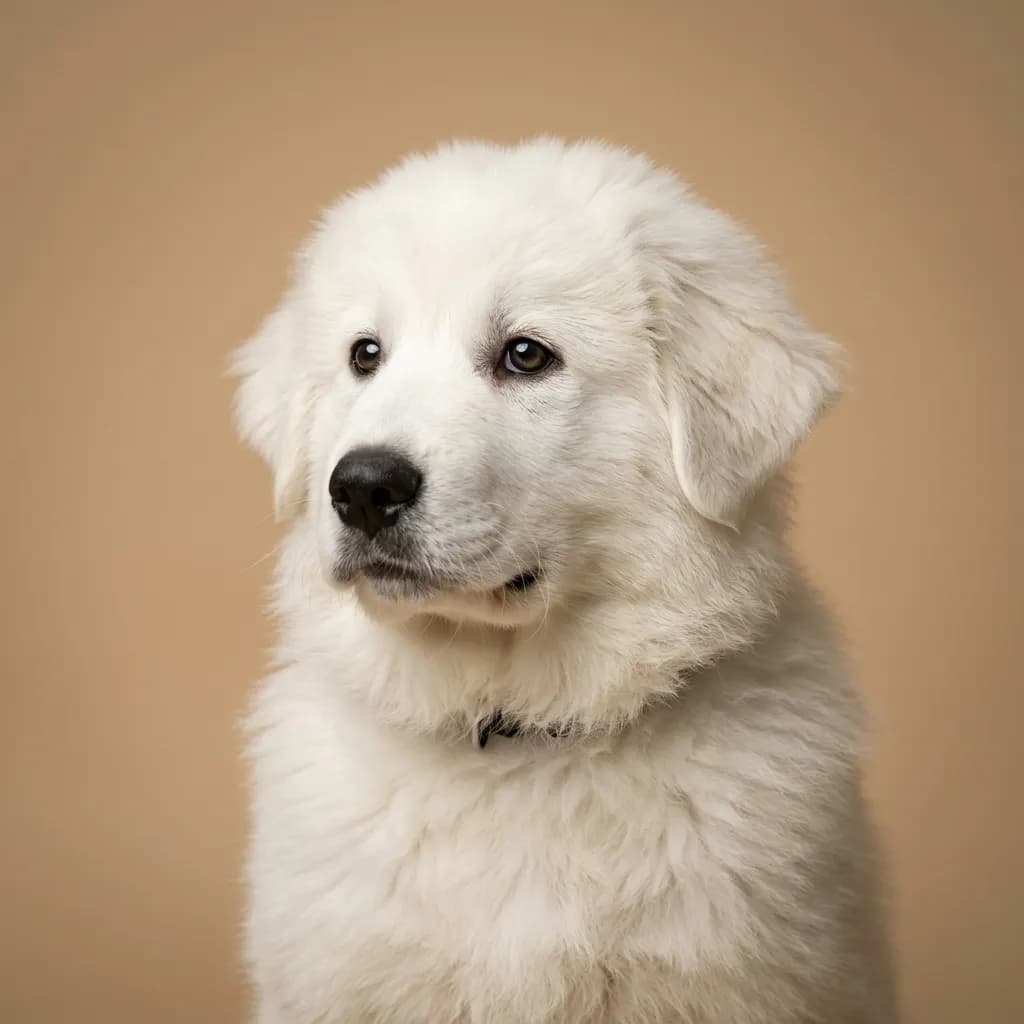
A livestock guardian bred to work alone on a mountainside at night, making independent decisions about threats — which is a polite way of saying they will absolutely ignore you when they decide they know better. Majestic, patient, and deeply devoted to their charges (family included), but they bark nocturnally and shed prolifically. Fence requirements are serious; they patrol territory on their own schedule.
Free weekly training plan, specific to your Great Pyrenees’s age. Exactly what to focus on this week.
Get your free training planLiving with a Great Pyrenees
The Great Pyrenees was born in the misty, rugged peaks of the Pyrenees mountains between France and Spain, where it spent centuries guarding flocks of sheep from wolves and bears. This isn’t a dog bred for obedience trials or agility courses. It’s a working guardian through and through, built for independence, judgment, and endurance in harsh weather.
Today, that legacy means you’re getting a calm, deeply loyal dog with a soft spot for kids and a strong instinct to protect what’s his, whether that’s a flock of sheep or your backyard chickens. Living with a Pyrenees is like having a gentle giant on permanent sentry duty. They’re smart and patient, but don’t mistake calm for lazy.
They’ll patrol your property at night, bark at anything suspicious, and settle in quietly during the day. Their energy level is moderate, they need daily walks and some space to roam, but they won’t demand high-intensity exercise. Just don’t expect a recall-friendly companion off-leash.
Their independent mind and guardian instincts mean they’ll often choose to investigate a noise over coming when called. Grooming is not optional. This dog sheds year-round and blows its coat heavily twice a year.
You’ll be brushing at least twice a week, more during shedding season, and expect white fluff on your furniture and clothes. It’s not a messy drooler like a Mastiff, but it is a fluffy shedder, honestly, it’s more of a hair storm. Health-wise, they’re prone to hip dysplasia, bloat, and osteosarcoma, so feeding multiple small meals, avoiding vigorous exercise right after eating, and choosing a breeder who screens for joint issues is critical.
Average lifespan is 10 to 12 years, which feels short when you grow this attached. They’re fantastic for families in rural or cold-weather areas, especially if you need a natural guardian for livestock or property. But skip this breed if you live in an apartment, a hot climate, or want a dog that’s eager to please in training.
They’re affectionate to a fault with their people, ranked 5 out of 5, but that loyalty doesn’t always translate to obedience. Here’s the real talk: The Great Pyrenees isn’t a dog you train. It’s a dog you negotiate with.
Respect their independence, commit to the grooming, and you’ll have a devoted, quiet guardian who watches over your world like it’s his own.
14 traits, at a glance.
Every breed on PuppyBase is rated across the 14 trait dimensions the American Kennel Club publishes — from trainability to drooling level. The higher the score, the better the fit for that trait.
What to expect day-to-day
Things to screen for
- Bone Cancer
- Anesthesia sensitivity
- Patellar luxation
- Hip dysplasia
- Bloat (GDV)
See a full price breakdown — first-year costs, lifetime estimate, breeder vs. adoption.
Full price guideSimilar breeds
Browse all 200+
Common questions
How long do Great Pyrenees live?
Great Pyrenees typically live between 10 and 12 years. This is common for large breeds, and their lifespan can be influenced by factors like genetics, diet, and access to preventive veterinary care.
How much does a Great Pyrenees puppy cost?
A Great Pyrenees puppy usually costs between $1,500 and $3,500, with an average price around $2,200. Higher prices often reflect breeders who prioritize health testing, temperament, and responsible breeding practices.
How much do Great Pyrenees shed?
Great Pyrenees shed moderately year-round and have seasonal shedding spikes where they lose more fur. Regular brushing helps manage loose hair, but don’t expect to escape the white fluff around your home.
What colors do Great Pyrenees come in?
Great Pyrenees are primarily white, but they can have markings in badger, gray, tan, or yellow. These colored patches are usually found on the head or body and are accepted in the breed standard.
How big do Great Pyrenees get?
Great Pyrenees stand 25 to 32 inches tall and weigh between 85 and 100 pounds. Males are typically larger than females, and their size reflects their role as formidable livestock guardians.
Are Great Pyrenees smart?
Yes, Great Pyrenees are intelligent dogs, but their intelligence shows up as independent problem-solving, not obedience. They were bred to make decisions alone at night, so they often choose what to do regardless of commands.
Are Great Pyrenees hypoallergenic?
No, Great Pyrenees are not hypoallergenic. They have a thick double coat that sheds and releases dander, which can trigger allergies in sensitive people.
Are Great Pyrenees aggressive?
Great Pyrenees aren’t typically aggressive toward people, but they are naturally protective and wary of strangers. Their guarding instincts mean they’ll confront real or perceived threats without waiting for your approval.
What health problems are common in Great Pyrenees?
Common health issues include hip dysplasia, bloat, bone cancer, and patellar luxation. They’re also known to be sensitive to anesthesia, so always inform your vet about breed-specific risks before any procedure.
Do Great Pyrenees bark a lot?
Yes, Great Pyrenees bark moderately, often at night or when they sense something unusual. Barking is part of their job as livestock guardians, so expect occasional vocal alerts even in a suburban setting.
Are Great Pyrenees easy to train?
Great Pyrenees are only moderately easy to train because they’re independent thinkers. They respond best to consistent, patient training that respects their autonomy, but don’t expect off-leash reliability.
Are Great Pyrenees good family dogs?
They can be good family dogs, especially in homes with space and a yard. They’re patient and devoted to their family, but their size and independent nature mean supervision is wise around young children.
Are Great Pyrenees good with cats?
Great Pyrenees are moderately good with cats, especially if raised together. Their guarding instinct may kick in with unfamiliar animals, but they usually accept household pets as part of their charge.
Are Great Pyrenees good guard dogs?
Yes, Great Pyrenees are excellent guard dogs. They were bred to protect flocks from predators and will defend their home and family without hesitation, using presence, barking, or action as needed.
Can Great Pyrenees live in apartments?
No, Great Pyrenees are not suited for apartment living. They need space to patrol and a yard to guard, and their size, barking, and territorial instincts make small urban environments a poor fit.
When do Great Pyrenees calm down?
Great Pyrenees usually start to settle into their calm adult demeanor between 2 and 3 years of age. Even then, they remain alert and active at night, following their natural guarding rhythms.
Not sure which breed fits your life?
Answer five questions about your home, your schedule, and your tolerance for shedding. We’ll match you to your top three breeds from over 200.