Australian Terrier vs Shiba Inu
Side-by-side comparison across all 14 AKC trait ratings, with a clear verdict on which breed fits which kind of household.
Not sure which breed fits your life?
Answer five questions about your home, your schedule, and your tolerance for shedding. We’ll match you to your top three breeds from over 200.
Australian Terrier vs Shiba Inu
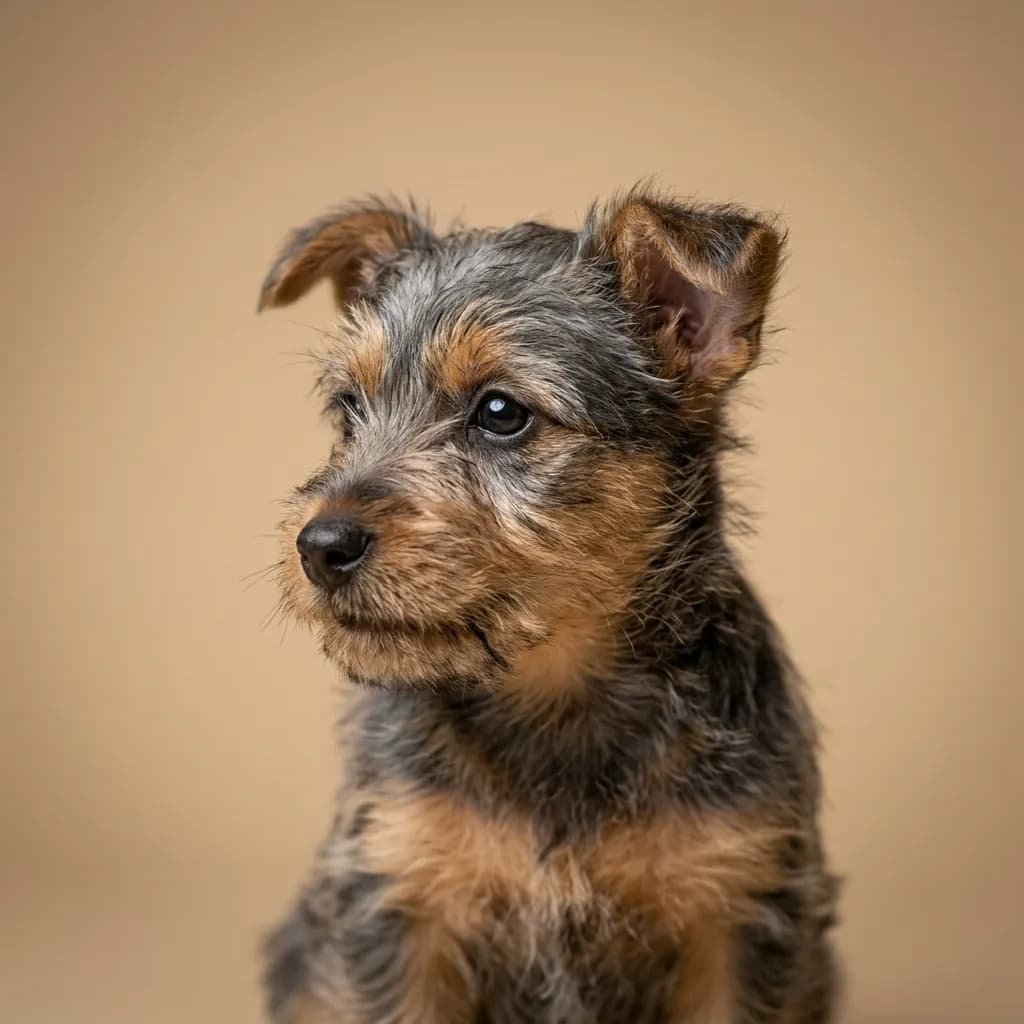
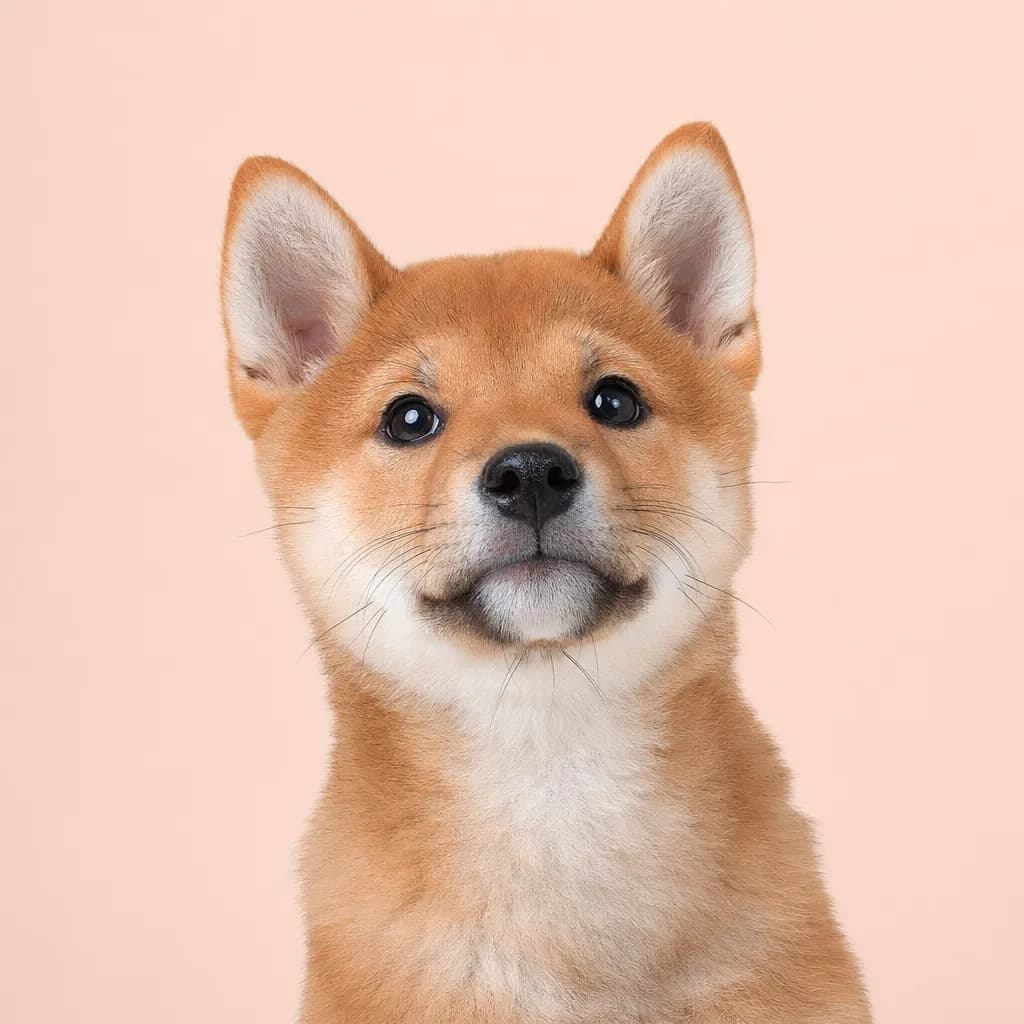
People compare Australian Terriers and Shiba Inus because they’re both small, spunky, and look sort of fox-like at a glance. But that’s where the similarity ends. If you’re drawn to compact dogs with big personalities, you’ll need to dig deeper. because choosing between them is really choosing between two different relationships with a dog. The Aussie Terrier is your feisty little partner in crime. Bred to take on snakes and rats on rough Australian outback farms, this dog is fearless, loud, and deeply attached. It’ll bark at every passing leaf, yes, but it’ll also cuddle on your lap after a long day. It’s surprisingly good with kids and thrives in apartments as long as you meet its high energy needs. Just don’t expect peace and quiet. This breed lives to alert, and if you want a dog that blends into the background, this isn’t it. The Shiba Inu, on the other hand, is more like a cat who occasionally pretends to be a dog. Independent, fastidiously clean, and known for the infamous “shiba scream,” it’s loyal in its own aloof way. It won’t follow you room to room, but it’ll choose to sit near you. on its terms. Training a Shiba takes patience; they’re smart but stubborn, and recall is a lifelong project. They’re not ideal with young kids and can be downright dangerous around small pets. Here’s the real insight: the Aussie wants to work with you. The Shiba tolerates you. affectionately, sometimes. because you feed the treats. If you’re a first-time owner or want a family companion, go Aussie. If you’re experienced, patient, and value quiet dignity over constant enthusiasm, the Shiba might just steal your heart. on its schedule.
Trait-by-trait
Higher bar = more of that trait. Shedding, barking, drooling, grooming flipped for readability.Where they diverge
Choose the Australian Terrier if…
- Apartments
- Families
- Seniors
- You value good with young children — Australian Terrier scores noticeably higher.
Choose the Shiba Inu if…
- Experienced dog owners
- Those wanting a cat-like independence
- Active owners
- You value affectionate w/ family — Shiba Inu scores higher here.