Shiba Inu
Japan's most popular native breed is essentially a cat that decided to become a dog — self-possessed, fastidiously clean, and loyal on its own terms. The 'Shiba scream' (an ear-splitting protest they unleash during baths, nail trims, and perceived injustices) is a rite of passage every Shiba owner knows. They're not beginner dogs; their independence, strong prey drive, and selective recall require an owner who appreciates rather than fights their nature.
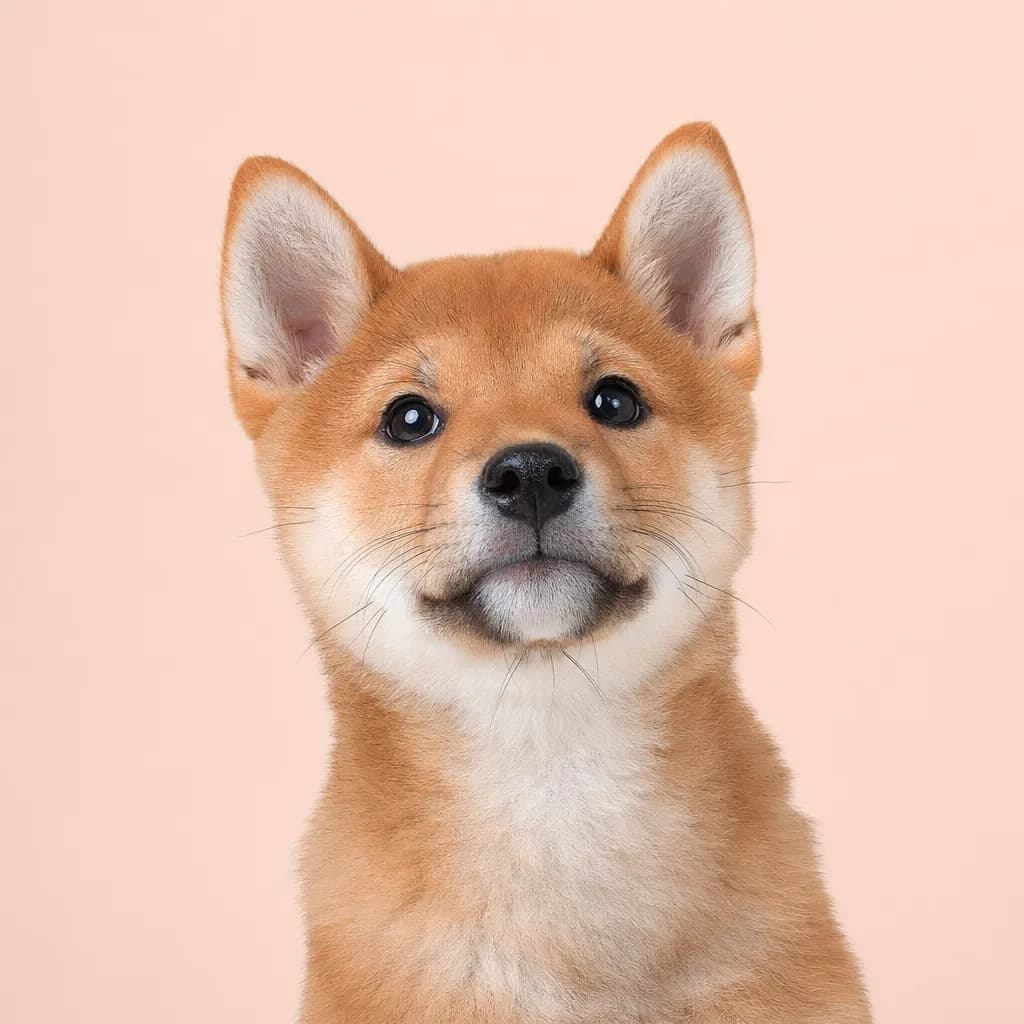
Free weekly training plan, specific to your Shiba Inu’s age. Exactly what to focus on this week.
Get your free training planLiving with a Shiba Inu
The Shiba Inu is one of Japan's oldest and smallest native breeds, originally used to hunt small game and birds in the mountainous terrain of Japan. Nearly extinct after World War II, the breed was revived through careful breeding programs and brought to the US in the 1950s. What arrived was a dog unlike almost anything Western dog owners had encountered: ancient, feline in temperament, and deeply uninterested in your agenda.
Living with a Shiba is living with a dog who operates on its own terms. They're clean, cats would recognize the self-grooming behavior. They're quiet, they rarely bark, though the infamous 'Shiba scream' (a high-pitched shriek deployed during baths, nail trims, or perceived injustice) will rearrange your nervous system the first time you hear it.
They're not particularly affectionate in a Lab sort of way, but they bond deeply with their person and express it through proximity rather than effusive displays. Exercise needs are moderate but non-negotiable. A daily walk plus off-leash time in a securely fenced area is the baseline.
Shibas have a strong prey drive and will chase anything that moves. Off-leash in unfenced areas is genuinely dangerous, they don't come back reliably, even with training, especially when something interesting is happening. Grooming: that plush double coat sheds.
A lot. Twice a year they blow their undercoat and you'll wonder how a 20-pound dog contained that much fur. Weekly brushing helps, daily during blowout season, and the occasional bath when they decide to roll in something.
They do not need trimming. Health is one of this breed's genuine strengths. Shibas are generally robust with a lifespan of 13-16 years.
Allergies and hip dysplasia occur but at lower rates than many popular breeds. Eye conditions (glaucoma) are worth screening for. Shibas are ideal for experienced dog owners who respect independent temperament, people who want a dog with dignity rather than constant eager-to-please energy, and anyone who finds typical 'biddable' breeds a bit exhausting.
They're a terrible match for first-time owners expecting Golden-level compliance, households with very small animals, or people who need a dog that reliably comes when called in open spaces. The real talk: Shibas are marketed as a starter dog because they're cute and manageable in size. They're actually one of the more challenging breeds to own if you've never read a dog's body language carefully.
They don't telegraph stress the way Labs do, which means they'll bite before most owners realize something was wrong. Respect the space, earn the trust, and you'll have one of the most captivating dogs alive.
14 traits, at a glance.
Every breed on PuppyBase is rated across the 14 trait dimensions the American Kennel Club publishes — from trainability to drooling level. The higher the score, the better the fit for that trait.
What to expect day-to-day
Things to screen for
See a full price breakdown — first-year costs, lifetime estimate, breeder vs. adoption.
Full price guideSimilar breeds
Browse all 200+
Common questions
How long do Shiba Inus live?
Shiba Inus typically live between 13 and 16 years, which is a solid lifespan for a dog of their size. With proper care, many stay active and healthy well into their teens.
How much does a Shiba Inu puppy cost?
Expect to pay between $2,000 and $5,000 for a Shiba Inu puppy from a reputable breeder, with $3,000 being the average. Their high price reflects strong demand and responsible breeding practices.
How much do Shiba Inus shed?
Shiba Inus shed moderately year-round and blow their undercoat heavily twice a year. Regular brushing during shedding seasons helps manage the loose fur, especially indoors.
What colors do Shiba Inus come in?
Shiba Inus come in four accepted colors: red, red sesame, black and tan, and cream. All should have a plush double coat with rich, clear coloring and distinct markings.
How big do Shiba Inus get?
Shiba Inus are small to medium-sized dogs, standing 13.5 to 16.5 inches tall and weighing between 17 and 23 pounds. They’re compact, muscular, and well-proportioned.
Are Shiba Inus smart?
Shiba Inus are highly intelligent and problem-solve well, but they also have strong independent streaks. Their intelligence means they learn quickly, but often on their own terms.
Are Shiba Inus hypoallergenic?
No, Shiba Inus are not hypoallergenic. They have a double coat that sheds regularly, releasing dander that can trigger allergies in sensitive individuals.
Are Shiba Inus aggressive?
Shiba Inus aren't inherently aggressive, but they can be aloof and assertive, especially around strangers or unfamiliar dogs. Early socialization is key to managing their strong-willed nature.
What health problems are common in Shiba Inus?
Common health issues include hip dysplasia, progressive retinal atrophy, allergies, patellar luxation, and glaucoma. Regular vet checkups and screening tests are essential for early detection.
Do Shiba Inus bark a lot?
Shiba Inus bark moderately, usually to alert you to something unusual or when they’re excited. They’re more likely to vocalize with a range of sounds, including their famous scream.
Are Shiba Inus easy to train?
Shiba Inus are not easy to train due to their independent nature and selective obedience. They respond best to consistent, positive methods, but expect some stubbornness.
Are Shiba Inus good family dogs?
Shiba Inus can be good family dogs for experienced owners who understand their boundaries. They’re loyal but reserved, and may not tolerate rough handling from young children.
Are Shiba Inus good with cats?
Shiba Inus have a high prey drive and may chase or harass cats, especially if not raised together. Some can coexist with felines, but supervision and early introduction are critical.
Are Shiba Inus good guard dogs?
Shiba Inus are excellent watchdogs—they’re alert, observant, and quick to sound the alarm at anything out of the ordinary. They won’t physically confront threats, but they’ll definitely let you know something’s up.
Can Shiba Inus live in apartments?
Yes, Shiba Inus can adapt to apartment living if they get enough daily exercise and mental stimulation. A secure, fenced yard is ideal, but committed urban owners can meet their needs with routine walks and play.
What is the Shiba scream?
The Shiba scream is a loud, high-pitched vocalization they use when distressed, annoyed, or resisting something like a bath or nail trim. It’s a dramatic expression of protest, not pain, and is common among the breed.
Not sure which breed fits your life?
Answer five questions about your home, your schedule, and your tolerance for shedding. We’ll match you to your top three breeds from over 200.