Barbet vs Kishu Ken
Side-by-side comparison across all 14 AKC trait ratings, with a clear verdict on which breed fits which kind of household.
Not sure which breed fits your life?
Answer five questions about your home, your schedule, and your tolerance for shedding. We’ll match you to your top three breeds from over 200.
Barbet vs Kishu Ken
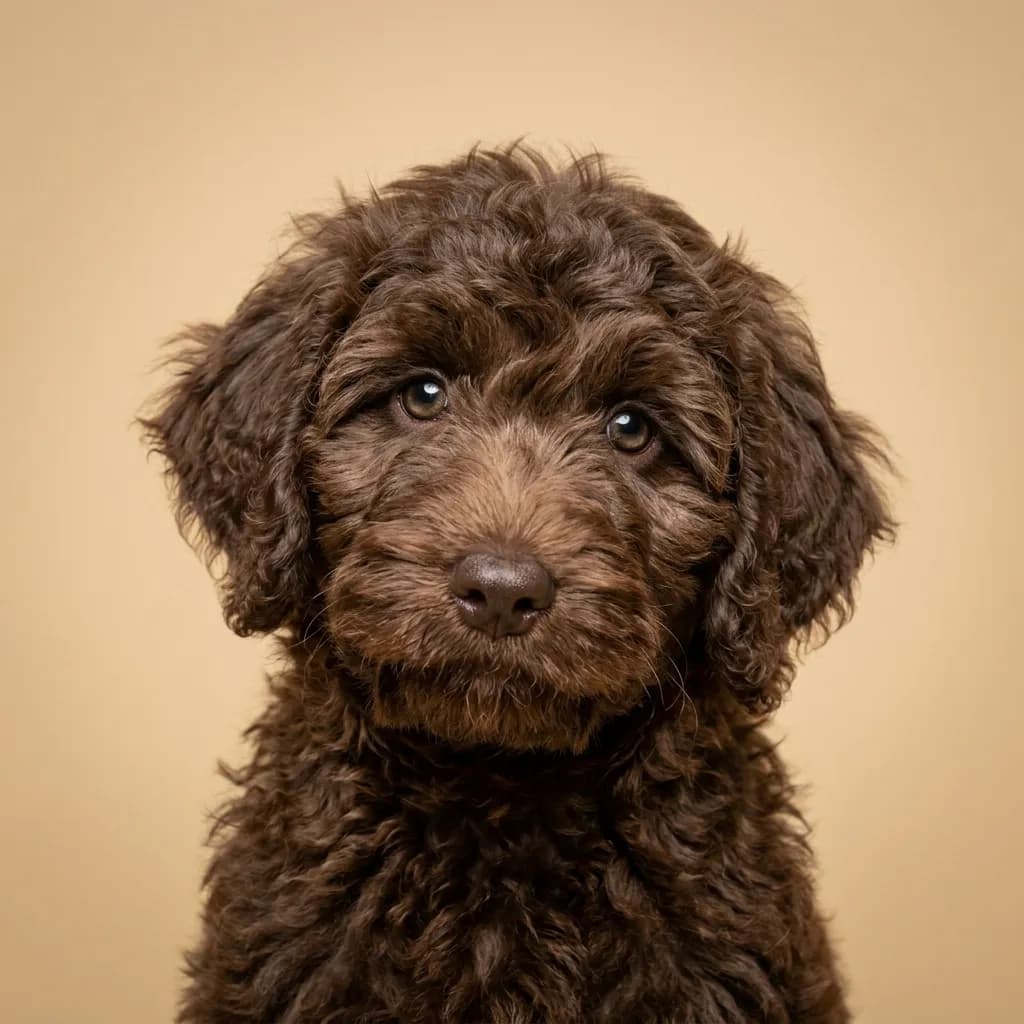
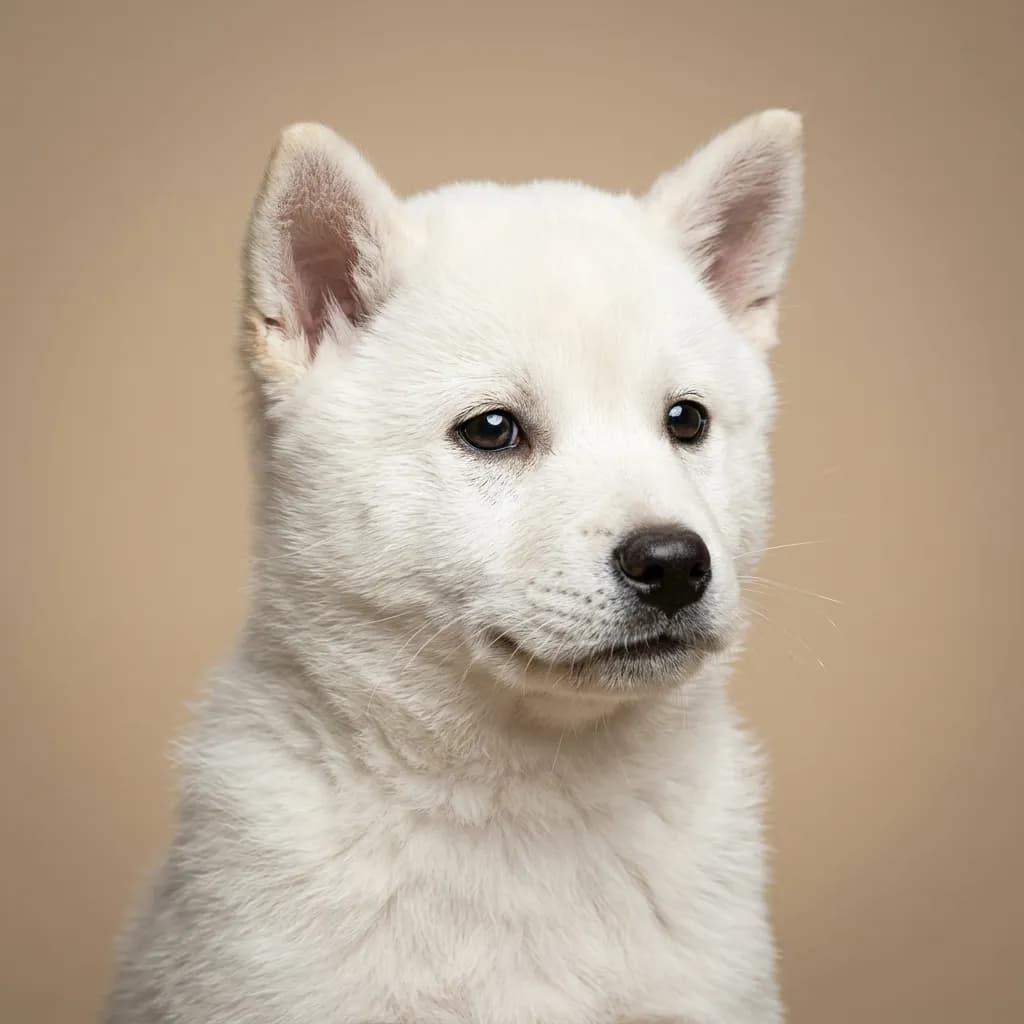
People compare the Barbet and Kishu Ken because they’re both medium-sized, healthy-looking breeds with low to moderate energy, and they don’t show up on every sidewalk. But that’s where the surface similarities end. If the Barbet is your cheerful, slightly goofy neighbor who’s always up for a lake day and remembers your dog’s birthday, the Kishu Ken is the quiet, intense cousin who’d rather patrol the property line than join the barbecue. The Barbet thrives on connection. They’re soft-hearted, easy to train, and will romp with kids all afternoon. Their low shedding makes them a real option for allergy sufferers, but that woolly coat demands brushing every few days. skip it and you’ll have felted mats in a week. They adapt decently to suburban life as long as they get daily movement, and they’re about as friendly as dogs come. The Kishu Ken is a different beast entirely. Bred to work solo in mountainous terrain, they’re independent thinkers with sharp instincts. They’re not aggressive by nature, but they are reserved. especially around strangers and small animals. That mental sharpness means they need real challenges, not just obedience drills. And while they’re loyal to their people, they won’t follow commands just because you asked. You earn their cooperation. First-time owners should lean Barbet. If you want a dog that fits into a family rhythm and tolerates chaos, the Barbet is your dog. But if you’re an experienced handler who values quiet competence and lives in a rural setting, the Kishu Ken offers a rare kind of depth. just know they’ll never be a people pleaser. Here’s the real talk: the Kishu Ken’s calm exterior hides a hunter’s brain. You can socialize them well, but you can’t rewire instinct. A squirrel at the wrong moment? That focus snaps into place like a switch.
Trait-by-trait
Higher bar = more of that trait. Shedding, barking, drooling, grooming flipped for readability.Where they diverge
Choose the Barbet if…
- Families
- Active people
- Allergy sufferers
- You value good with young children — Barbet scores noticeably higher.
Choose the Kishu Ken if…
- Experienced dog owners
- Active owners
- Cold climates
- You value shedding level — Kishu Ken scores higher here.