Kishu Ken
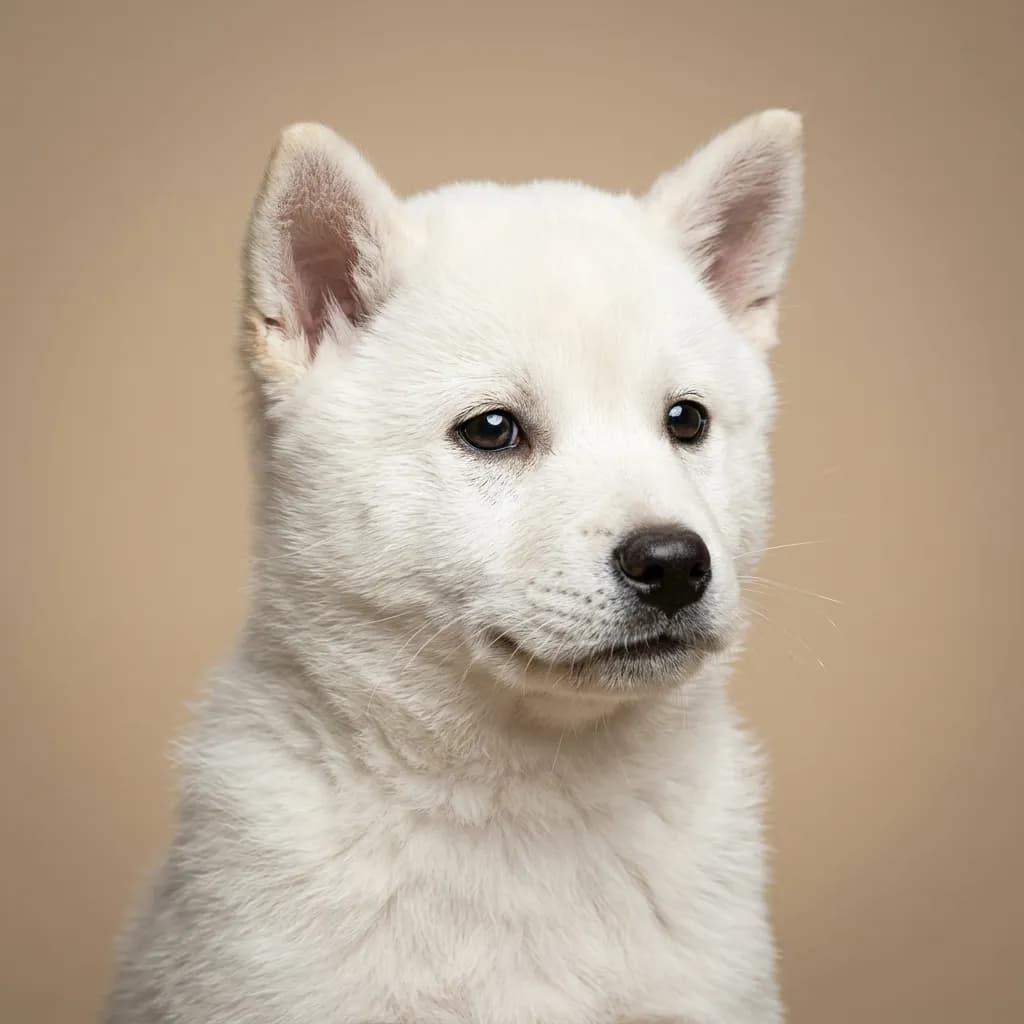
An ancient Japanese hunting breed — noble, quiet, and devoted to their family in a reserved way that takes time to earn. Kishus are typically all white and surprisingly nimble for their size, bred to track and hold game in rugged terrain. They're not for first-timers: independent, prey-driven, and prone to testing boundaries.
Free weekly training plan, specific to your Kishu Ken’s age. Exactly what to focus on this week.
Get your free training planLiving with a Kishu Ken
The Kishu Ken is one of Japan’s six native spitz-type breeds, originally bred to hunt deer and wild boar in the mountainous Kishu region. These dogs were built for rugged terrain and extreme focus, and that legacy shows in their quiet intensity and impressive stamina. They’re not flashy or overly demonstrative, but they’re deeply loyal in a reserved, almost regal way.
If you’re looking for a dog that greets you like you’ve been gone for years every time you walk into the room, this isn’t your breed. But if you want a calm, watchful companion who earns trust slowly and keeps it forever, the Kishu might just be perfect. In daily life, they’re surprisingly low-key indoors.
They’ll curl up and nap like they’ve got a Ph.D, in relaxation. But don’t mistake that for laziness. Outdoors, they come alive.
They need real exercise, long hikes, off-leash runs in secure areas, mental challenges like nose work or tracking. Their energy is more about endurance than hyperactivity, so a few short walks won’t cut it. Aim for 60 to 90 minutes of serious activity most days.
They’re not big barkers, which is a plus, but their prey drive is off the charts. If you’ve got a cat or a rabbit, even if your Kishu was raised with them, one wrong moment and instinct takes over. That’s non-negotiable.
Grooming is manageable. They shed moderately year-round and have a heavier blowout twice a year. Weekly brushing keeps it under control, but during shedding season, you’ll be vacuuming daily.
Their short coat handles cold weather like a parka, making them ideal for northern climates, but they don’t do well in apartments or hot, humid areas. Health-wise, they’re generally solid but watch for hip dysplasia, hypothyroidism, and eye issues like progressive retinal atrophy. Reputable breeders do genetic testing, so don’t skip that step.
You’ll pay for it, puppies run $1,000 to $3,500, but cutting corners here risks costly vet bills later. They’re not for first-time owners. You need experience reading dog body language and establishing calm leadership.
They’re affectionate, but on their terms. One thing most guides won’t tell you: Kishu Kens thrive on routine. Disruptions in schedule or environment stress them more than you’d think.
If your life is unpredictable, look elsewhere.
14 traits, at a glance.
Every breed on PuppyBase is rated across the 14 trait dimensions the American Kennel Club publishes — from trainability to drooling level. The higher the score, the better the fit for that trait.
What to expect day-to-day
Things to screen for
See a full price breakdown — first-year costs, lifetime estimate, breeder vs. adoption.
Full price guideSimilar breeds
Browse all 200+
Common questions
How long do Kishu Kens live?
Kishu Kens typically live between 11 and 13 years, which is average for a dog of their size. With proper care, they can stay active and healthy throughout their lives.
How much does a Kishu Ken puppy cost?
A Kishu Ken puppy usually costs between $1,500 and $3,500, with most averaging around $2,500. Prices are high due to the breed's rarity and limited number of responsible breeders.
How much do Kishu Kens shed?
Kishu Kens shed moderately year-round and may blow their coat seasonally. Regular brushing helps manage shedding, especially during spring and fall.
What colors do Kishu Kens come in?
Kishu Kens come in three colors: red, sesame (a mix of black-tipped hairs on a red base), and white. White is the most common and iconic color for the breed.
How big do Kishu Kens get?
Kishu Kens stand 17 to 22 inches tall at the shoulder and weigh between 30 and 60 pounds. Males are usually larger and more substantial than females.
Are Kishu Kens smart?
Yes, Kishu Kens are intelligent and quick learners, especially when tasks align with their instincts. They need consistent mental challenges to stay engaged and prevent boredom.
Are Kishu Kens hypoallergenic?
No, Kishu Kens are not hypoallergenic. They have a double coat and shed moderately, which means they produce dander that can trigger allergies.
Are Kishu Kens aggressive?
Kishu Kens are not inherently aggressive, but they are reserved and can be intolerant of same-sex dogs or perceived threats. Early socialization is critical to manage dominance and reactivity.
What health problems are common in Kishu Kens?
Common health issues in Kishu Kens include hip dysplasia, hypothyroidism, progressive retinal atrophy, entropion, and allergies. Reputable breeders screen for these conditions.
Do Kishu Kens bark a lot?
No, Kishu Kens rarely bark and are known for being quiet dogs. They tend to alert only when necessary, making them discreet watchdogs rather than noisy ones.
Are Kishu Kens easy to train?
Kishu Kens are moderately trainable but can be independent and strong-willed. They respond best to firm, consistent training with positive reinforcement, starting at an early age.
Are Kishu Kens good family dogs?
Kishu Kens can be good family dogs for experienced owners who understand their temperament. They’re loyal and protective but may be too reserved or intense for households with young children.
Are Kishu Kens good with cats?
Kishu Kens have a high prey drive and are not reliably good with cats or small animals. Even well-socialized individuals may chase or stalk household pets that trigger their hunting instinct.
Are Kishu Kens good first dogs?
No, Kishu Kens are not recommended for first-time dog owners. Their independence, prey drive, and need for confident handling make them challenging without prior experience.
Can Kishu Kens live in apartments?
No, Kishu Kens are not suited for apartment living. They need space, secure fencing, and access to outdoor activity due to their hunting background and moderate energy levels.
Are Kishu Kens good hunting dogs?
Yes, Kishu Kens were bred to hunt deer and wild boar in rugged Japanese terrain and excel at tracking and holding game. Their focus, agility, and courage make them effective hunting partners.
Not sure which breed fits your life?
Answer five questions about your home, your schedule, and your tolerance for shedding. We’ll match you to your top three breeds from over 200.