Barbet vs Rhodesian Ridgeback
Side-by-side comparison across all 14 AKC trait ratings, with a clear verdict on which breed fits which kind of household.

Not sure which breed fits your life?
Answer five questions about your home, your schedule, and your tolerance for shedding. We’ll match you to your top three breeds from over 200.
Barbet vs Rhodesian Ridgeback
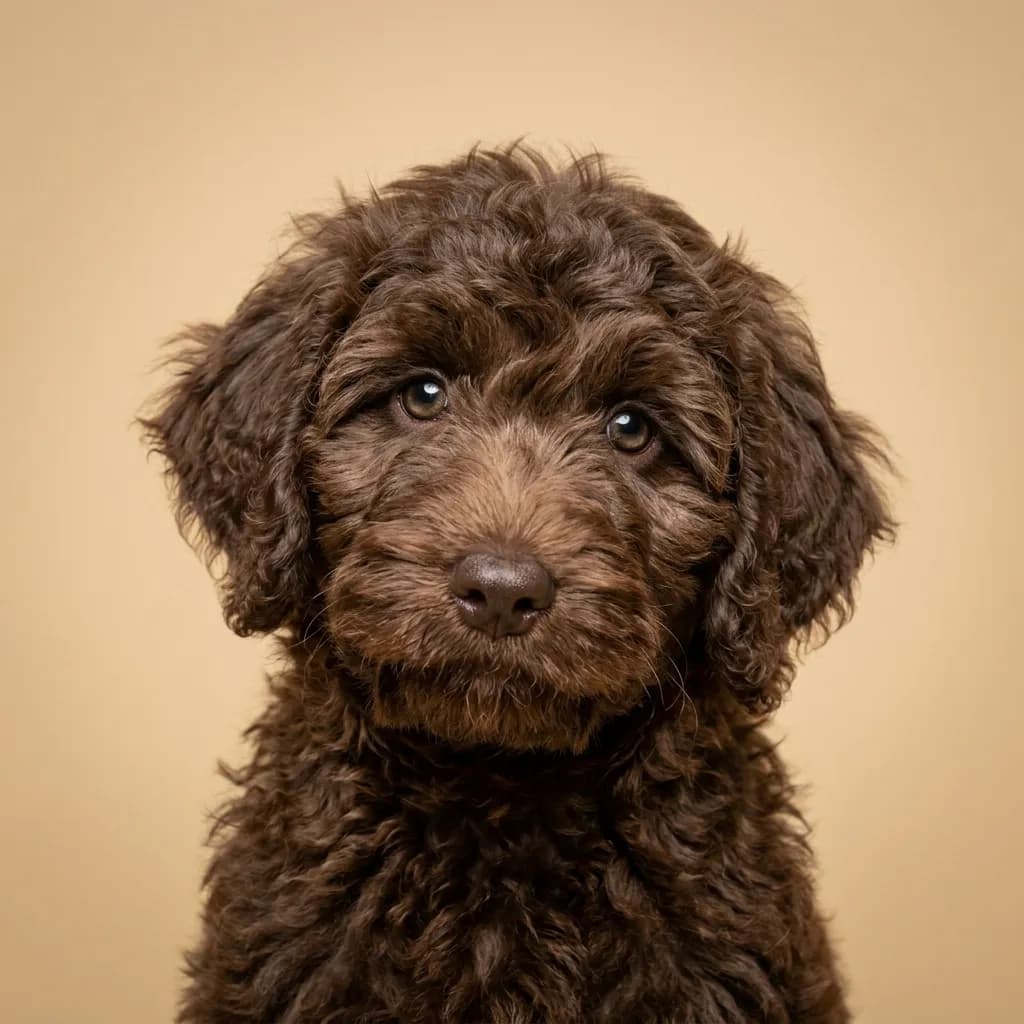
You’re probably comparing a Barbet and a Rhodesian Ridgeback because both are big, active dogs that love their people and can handle outdoor adventures. But that’s where the similarities end. Think of it this way: the Barbet is your goofy, water-obsessed cousin who shows up to family BBQs dripping from the pool, while the Ridgeback is the calm, regal neighbor who quietly keeps watch from their porch. The Barbet’s built for muddy marshes and family minivans. At 45 to 65 pounds, it’s smaller than the Ridgeback, but it demands weekly grooming and daily mental snacks. It’s one of the few breeds that’s truly low-shedding and still good with kids, making it a rare win for allergy-prone families. But let this dog get bored or skip a grooming session, and you’ll pay for it in tangles and counter-surfing. The Rhodesian Ridgeback, meanwhile, is a 70 to 85-pound athlete with a lion-hunting past. It’s not a guard dog by training, but it’s naturally protective and deeply loyal. It sheds moderately and needs less grooming, but it wants space and a job. like long runs or tracking games. It’s affectionate with its people, but aloof with strangers. And while both score high on kid-friendliness, the Ridgeback’s early prey drive means it might not coexist peacefully with cats or small pets. Here’s the real talk: the Barbet thrives with routine and attention, great for first-time owners who’ll commit to upkeep. The Ridgeback needs experienced handling. its independence can look like stubbornness if you don’t speak dog. Pick the Barbet if you want a joyful, inclusive family member. Pick the Ridgeback if you want a noble companion who’ll stand beside you, not behind you.
Trait-by-trait
Higher bar = more of that trait. Shedding, barking, drooling, grooming flipped for readability.Where they diverge
Choose the Barbet if…
- Families
- Active people
- Allergy sufferers
- You value good with other dogs — Barbet scores noticeably higher.
Choose the Rhodesian Ridgeback if…
- Active experienced owners
- Running and hiking companions
- Families with older children
- You value shedding level — Rhodesian Ridgeback scores higher here.