Barbet vs Skye Terrier
Side-by-side comparison across all 14 AKC trait ratings, with a clear verdict on which breed fits which kind of household.

Not sure which breed fits your life?
Answer five questions about your home, your schedule, and your tolerance for shedding. We’ll match you to your top three breeds from over 200.
Barbet vs Skye Terrier
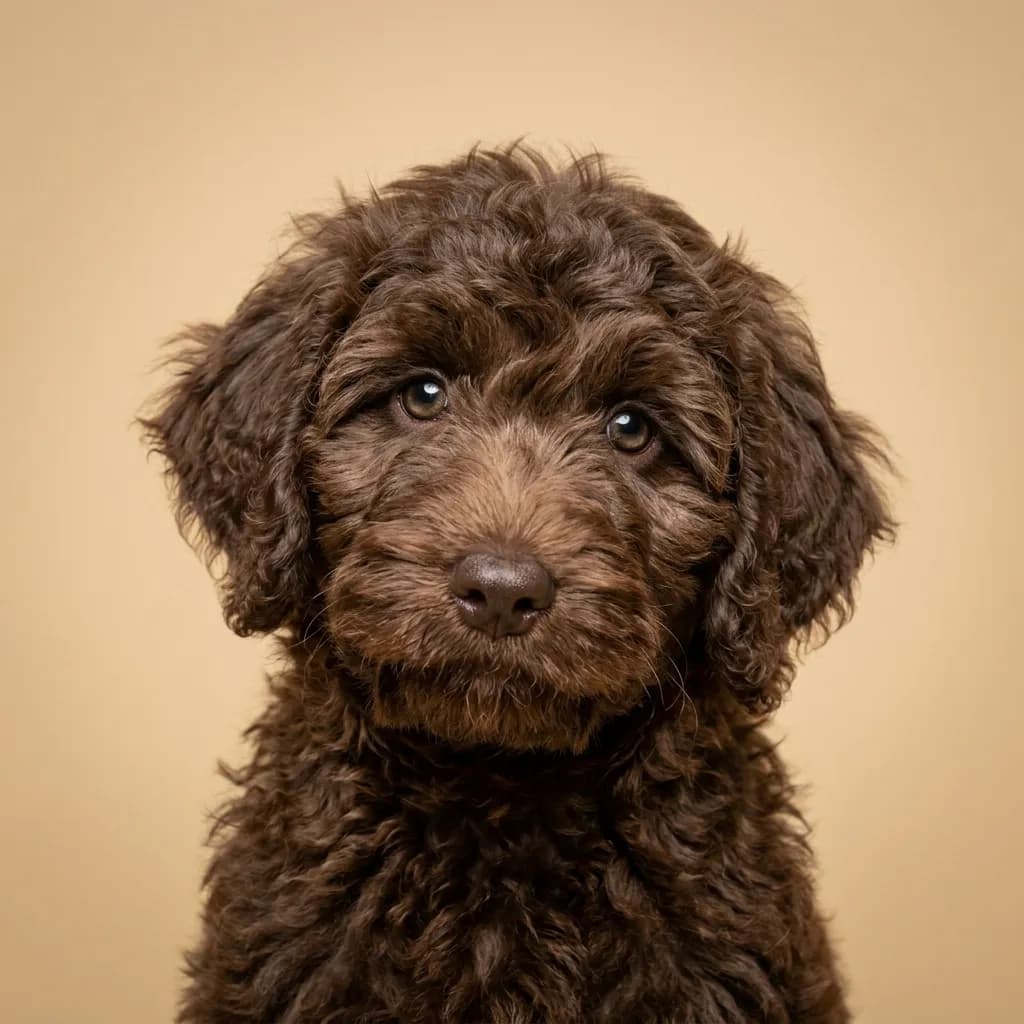
You don’t see a lot of Barbets or Skye Terriers at the dog park, so when someone’s comparing them, it’s usually because they want a rare, medium-sized dog that doesn’t shed much and has real personality. Both are loyal, live around 12 to 14 years, and need grooming that’s more than a quick brush. But that’s where the similarities drift apart like two boats in different currents. The Barbet is the goofy, water-loving goofball with a mop of curls and a smile that says, “Let’s go do something fun.” Bred to plunge into French marshes after ducks, it’s built for activity and thrives with families who hike, swim, or just have a big yard to explore. It’s easy to train, adores kids, and gets along with just about everyone, including your neighbor’s golden retriever. You’ll spend time grooming, yes, but you’ll also have a dog that’s up for anything and won’t bark the house down. The Skye Terrier? Total opposite energy. Low to the ground with a dramatic coat that sweeps the sidewalk, this Scottish hunter was built to crawl into dens and face down badgers. It’s fiercely loyal to its person, affectionate in a quiet, dignified way, but reserved with strangers and not a fan of chaotic households. It won’t pester you to play, but it will follow you from room to room like a furry shadow. Not great with small kids who might tug that glorious coat, and training takes patience. it’s clever but stubborn. Here’s the real talk: The Barbet wants to be part of your life. The Skye Terrier wants to be your life. If you want a dog that’s easygoing and family-friendly, go Barbet. If you want a devoted, old-soul companion who’ll tolerate your presence between naps, the Skye’s your dog. Just don’t expect either to skip grooming. this is a commitment to brushing, forever.
Trait-by-trait
Higher bar = more of that trait. Shedding, barking, drooling, grooming flipped for readability.Where they diverge
Choose the Barbet if…
- Families
- Active people
- Allergy sufferers
- You value good with young children — Barbet scores noticeably higher.
Choose the Skye Terrier if…
- Experienced terrier owners
- Adults and older children households
- Those wanting a loyal, devoted breed
- You value shedding level — Skye Terrier scores higher here.