Basenji vs Chinese Shar-Pei
Side-by-side comparison across all 14 AKC trait ratings, with a clear verdict on which breed fits which kind of household.

Not sure which breed fits your life?
Answer five questions about your home, your schedule, and your tolerance for shedding. We’ll match you to your top three breeds from over 200.
Basenji vs Chinese Shar-Pei
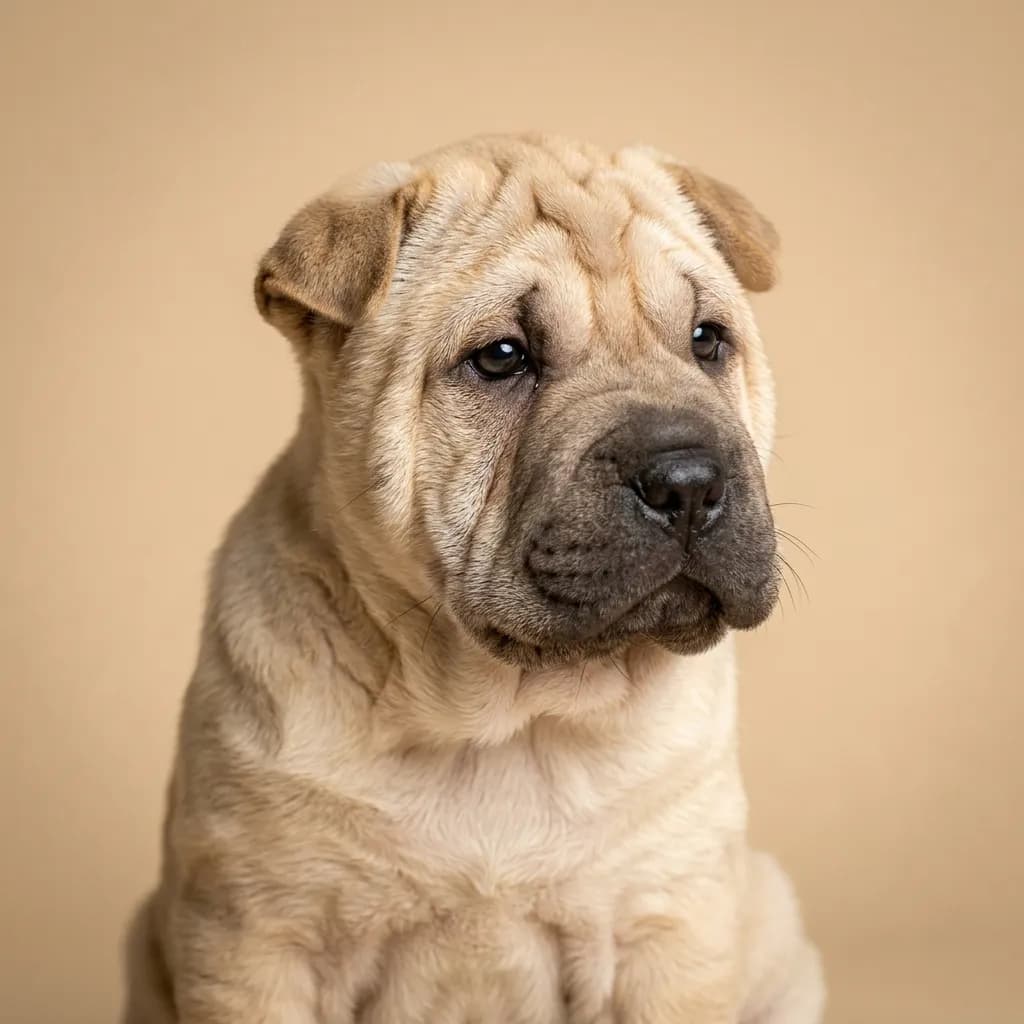
People compare Basenjis and Shar-Peis because both are independent, low-barking breeds with ancient roots and a “cat-like” aura. On paper, they seem like two quiet, clean options for experienced owners. But in real life, they’re polar opposites in almost every way that matters. The Basenji is a lean, high-energy hunter from Congo, built like a spring and wired to chase. It won’t bark. true. but it’ll howl, yodel, and bolt after squirrels with zero recall. You’ll need secure fencing and a lot of puzzle toys. It’s affectionate on its terms, not yours, and training is a long game of persuasion. Good for apartment dwellers? Only if you’re home often and up for daily 5-mile runs. Allergy sufferers love their short coat, but their independence isn’t for first-timers. The Shar-Pei is a wrinkled, heavy-set guardian with a deep sense of loyalty. Calmer, more sedentary, it bonds tightly with one or two people and watches strangers like a hawk. It’s not silent. some bark plenty. but it’s not yodeling at 5 a.m. either. It sheds more and needs weekly skin fold cleaning to avoid infections. It’s more adaptable to different homes, but early socialization is non-negotiable; without it, they turn suspicious or aggressive. Here’s the real talk: if you want a dog that needs you to be the leader, pick the Shar-Pei. If you want a dog that barely acknowledges you’re in charge, get the Basenji. The thing no one mentions? Basenjis aren’t aloof. they’re observant. They study you, quietly judging your decisions. Shar-Peis aren’t stubborn. they’re deeply cautious. They don’t trust easily, but once they do, they’re all in. Pick based on whether you want a partner who challenges you (Basenji) or one who protects you (Shar-Pei).
Trait-by-trait
Higher bar = more of that trait. Shedding, barking, drooling, grooming flipped for readability.Where they diverge
Choose the Basenji if…
- Apartments
- Experienced owners
- Allergy sufferers
- You value energy level — Basenji scores noticeably higher.
Choose the Chinese Shar-Pei if…
- Experienced dog owners
- Homeowners with fenced yards
- Those wanting a loyal guard dog
- You value drooling level — Chinese Shar-Pei scores higher here.