Basenji vs Kerry Blue Terrier
Side-by-side comparison across all 14 AKC trait ratings, with a clear verdict on which breed fits which kind of household.

Not sure which breed fits your life?
Answer five questions about your home, your schedule, and your tolerance for shedding. We’ll match you to your top three breeds from over 200.
Basenji vs Kerry Blue Terrier
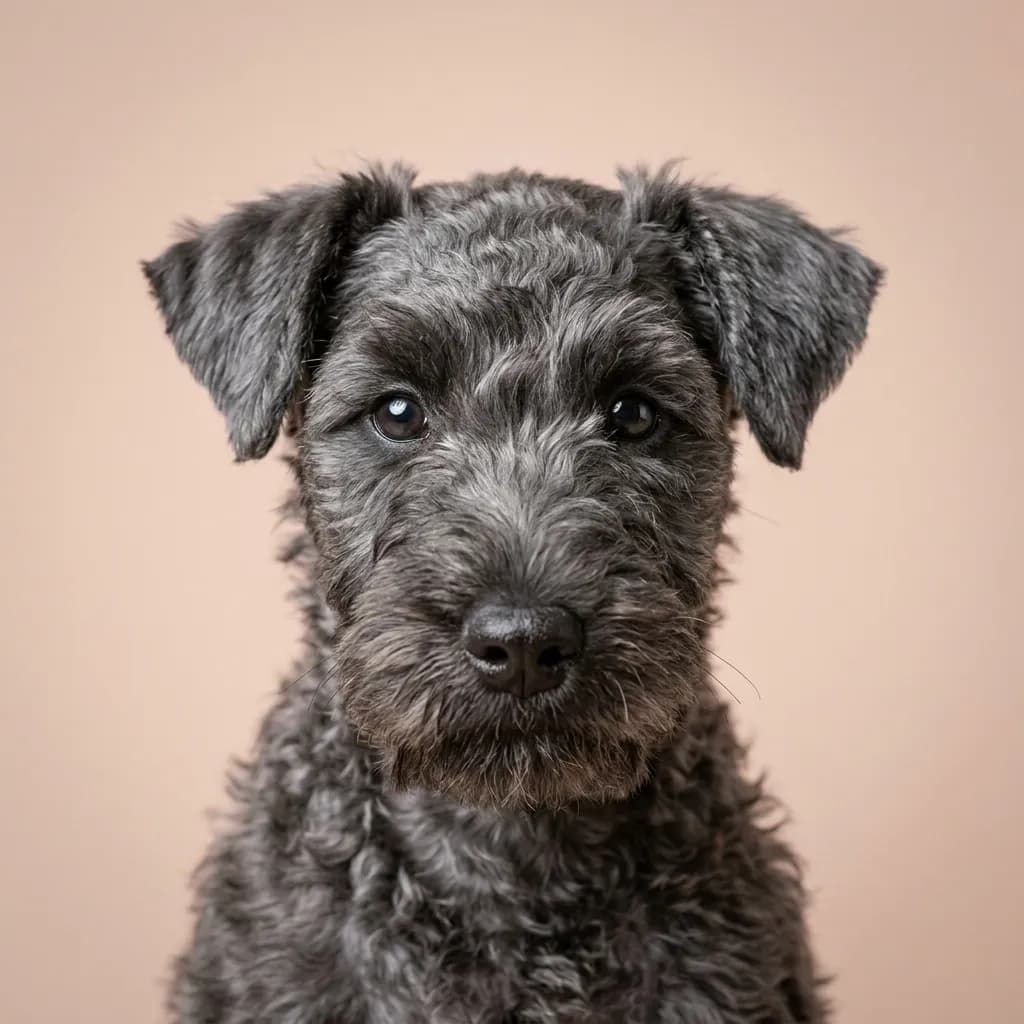
People compare Basenjis and Kerry Blue Terriers because both are active, intelligent, low-shedding dogs that thrive with owners who aren’t looking for a couch potato. But that’s where the similarity ends. These breeds come from entirely different worlds. one from the forests of Central Africa, the other from the misty farms of Ireland. and they bring wildly different personalities to your home. The Basenji is the quiet philosopher of the dog world. It won’t bark, but it will yodel, and it will definitely outthink you. Independent to a fault, it’s not the kind of dog that follows you room to room. It’s observant, reserved, and can be aloof with kids. If you want a dog that’s always “on” you, this isn’t it. But if you value mental challenge and a graceful, catlike companion, the Basenji delivers. Just don’t expect obedience-school ease. this breed was bred to work alone, and it shows. The Kerry Blue is the opposite: eager, affectionate, and deeply bonded. It barks, it wants to please (most of the time), and it thrives on being part of the family. Kids over 8 will likely get along great with a well-socialized Kerry. But here’s the real difference. while both are good for allergy sufferers, the Kerry demands more grooming. That soft, wavy coat needs regular clipping and care, not just occasional brushing. Here’s what the data won’t tell you: the Basenji tests your patience but rewards it with quiet loyalty. The Kerry Blue tests your time and energy but gives back constant love. Pick the Basenji if you want a thinking partner. Pick the Kerry if you want a devoted teammate. And don’t even try either without prior dog experience. both will expose a novice fast.
Trait-by-trait
Higher bar = more of that trait. Shedding, barking, drooling, grooming flipped for readability.Where they diverge
Choose the Basenji if…
- Apartments
- Experienced owners
- Allergy sufferers
- You value good with other dogs — Basenji scores noticeably higher.
Choose the Kerry Blue Terrier if…
- Experienced terrier owners
- Active families
- Allergy sufferers
- You value barking level — Kerry Blue Terrier scores higher here.