Basenji vs Portuguese Pointer
Side-by-side comparison across all 14 AKC trait ratings, with a clear verdict on which breed fits which kind of household.
Not sure which breed fits your life?
Answer five questions about your home, your schedule, and your tolerance for shedding. We’ll match you to your top three breeds from over 200.
Basenji vs Portuguese Pointer
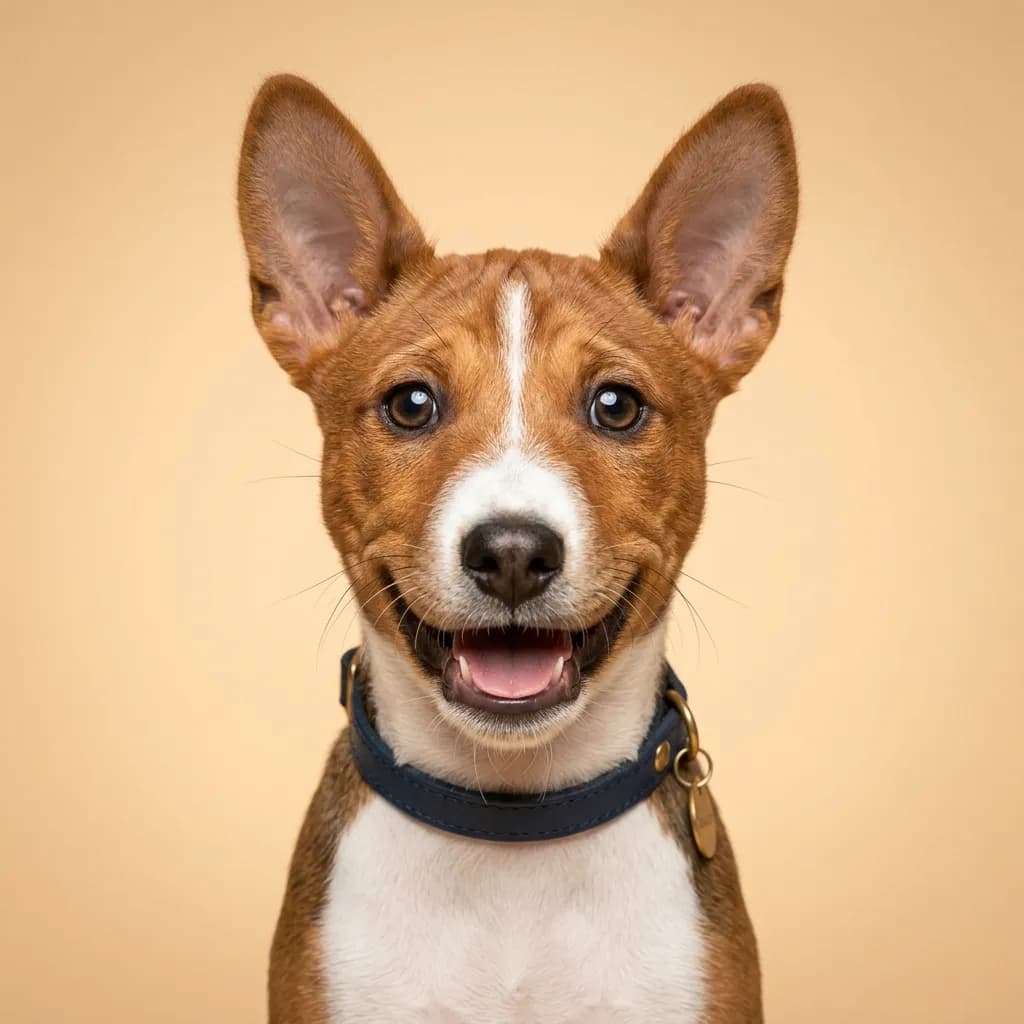
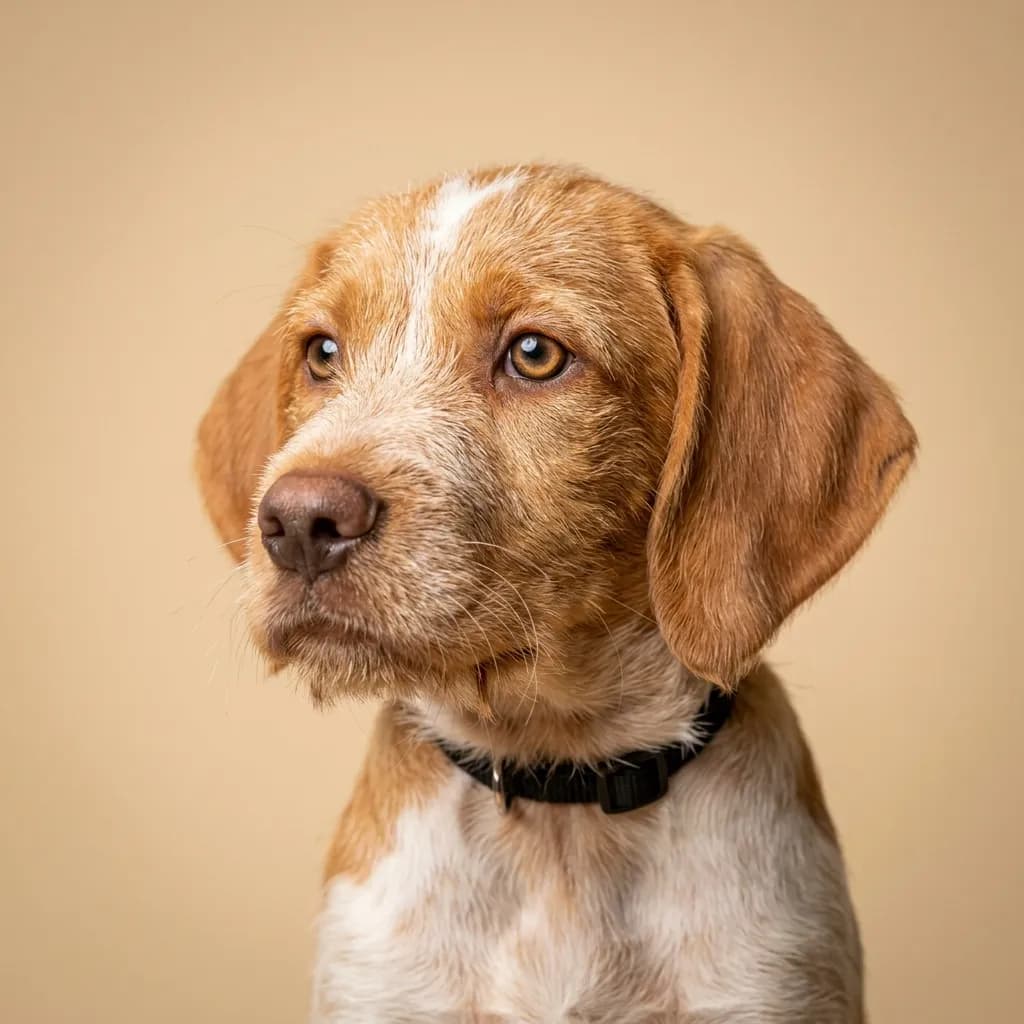
People compare the Basenji and Portuguese Pointer because both are hunting dogs with a quiet intensity, and both are rare enough that curious owners are digging deep. But that’s where the similarity ends. Think of the Basenji as your sleek, silent roommate who happens to be a gymnast. This dog won’t bark. ever. but it will outthink you, leap six feet in the air for a fly, and vanish if given half a chance. It’s built for hot climates and tight spaces, sure, but don’t mistake small size for low demand. You’ll need mental puzzles, secure fencing, and endless patience because training is like negotiating with a very cute, very stubborn diplomat. Now picture the Portuguese Pointer: a rangy, tireless athlete built for open fields and long days. This dog lives to work. It’s eager, loud in bursts, and thrives on partnership. Where the Basenji is aloof, the Portuguese Pointer leans into your side at night and adores kids. It’s not just trainable. it craves instruction. And while it can adapt to a big yard, it will not survive emotionally in a studio apartment with a desk job. The real difference? Control versus connection. The Basenji is a solo operator bred to hunt alone and return on a whim. The Portuguese Pointer was developed to work in sync with humans, especially hunters using falcons. That history shapes everything. If you want a dog that bonds deeply and works with you, the Pointer wins. If you’re okay with a graceful ghost who occasionally acknowledges you between squirrel chases, go Basenji. Here’s the honest truth: the Basenji isn’t really a pet. It’s a semi-domesticated survivor. The Portuguese Pointer, for all its energy, just wants to be part of your team. Pick based on whether you want a companion or a co-worker.
Trait-by-trait
Higher bar = more of that trait. Shedding, barking, drooling, grooming flipped for readability.Where they diverge
Choose the Basenji if…
- Apartments
- Experienced owners
- Allergy sufferers
Choose the Portuguese Pointer if…
- hunters
- active families
- experienced sporting dog owners
- You value trainability — Portuguese Pointer scores higher here.