Basenji vs Portuguese Sheepdog
Side-by-side comparison across all 14 AKC trait ratings, with a clear verdict on which breed fits which kind of household.
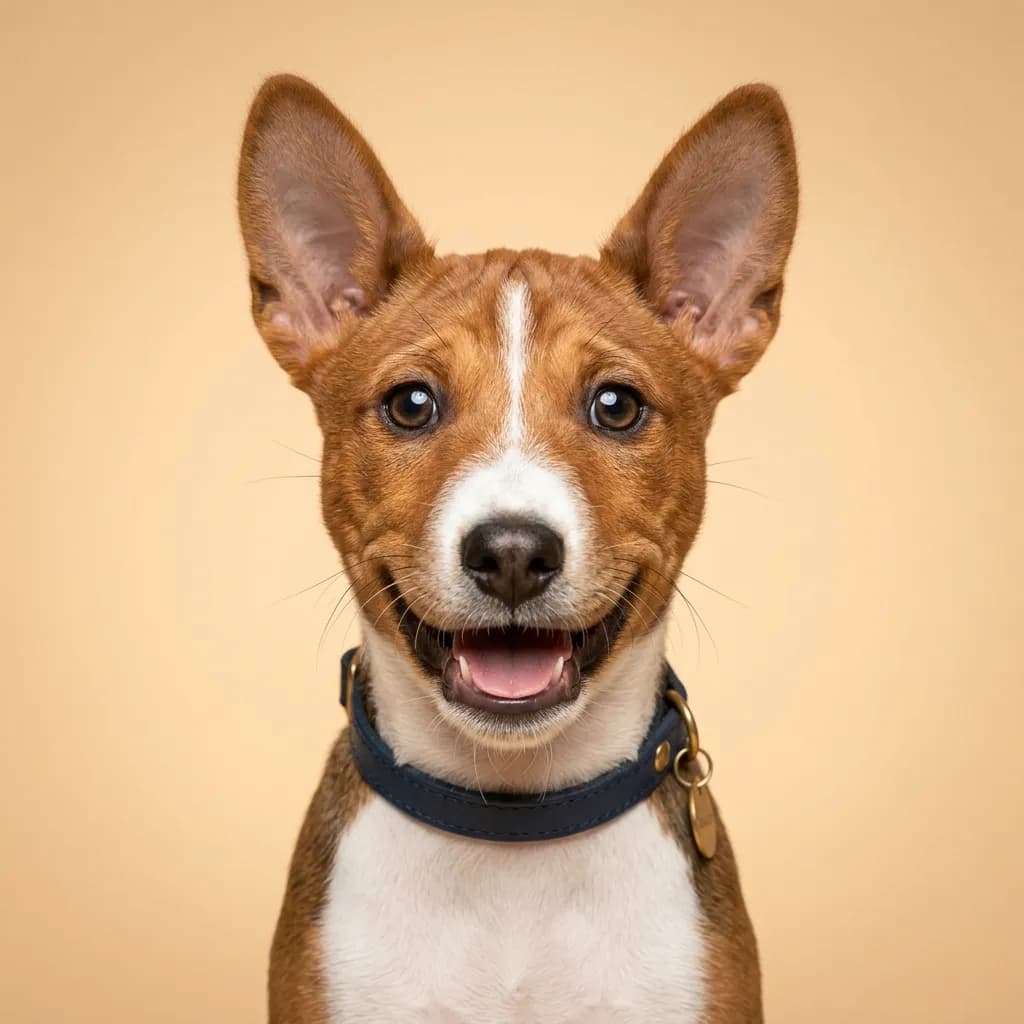
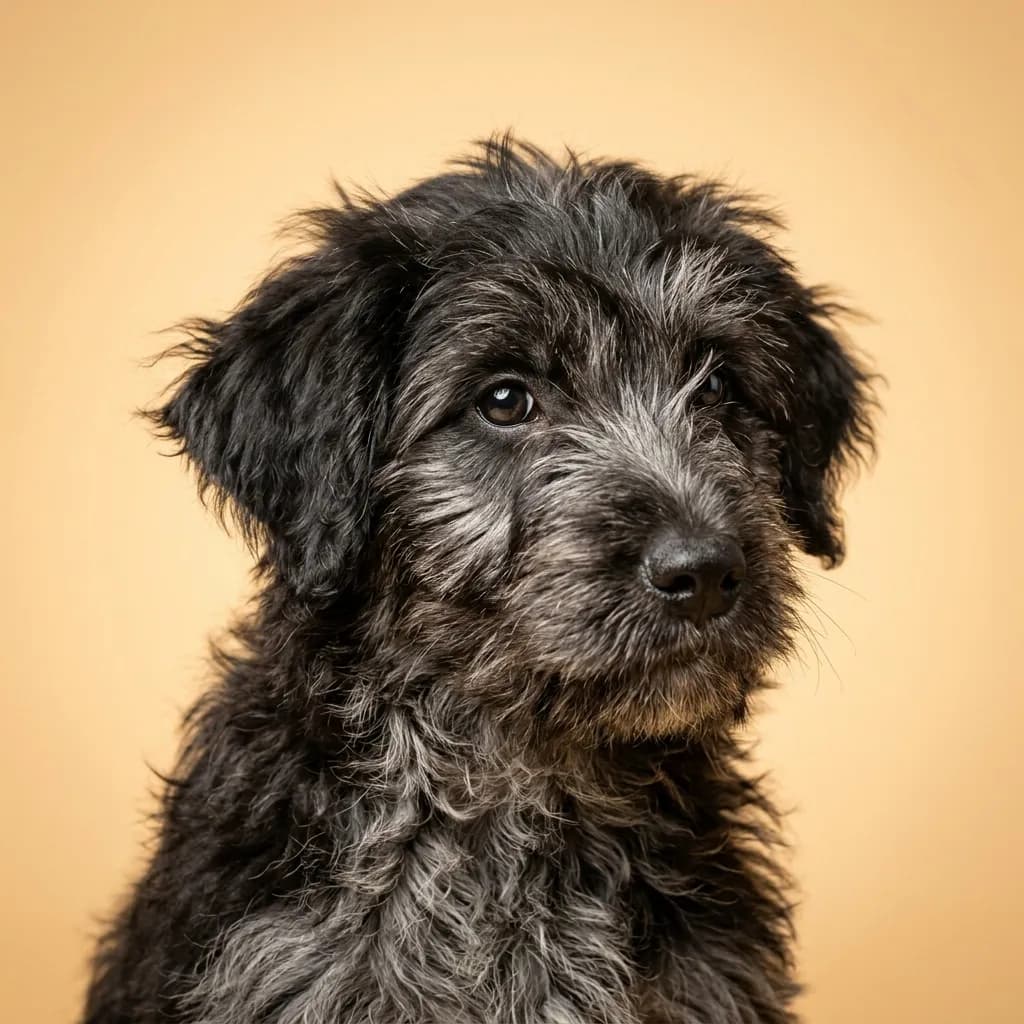
Not sure which breed fits your life?
Answer five questions about your home, your schedule, and your tolerance for shedding. We’ll match you to your top three breeds from over 200.
Basenji vs Portuguese Sheepdog
People compare Basenjis and Portuguese Sheepdogs because both are rare, medium-sized, low-shedding breeds with intense energy and smarts. But that’s where the similarities end. Think of it like choosing between a sleek, silent sports car and a rugged, all-terrain farm truck. One’s built for speed and stealth, the other for endurance and teamwork. The Basenji is a hunter from Central Africa, bred to work independently and quietly. so quiet it doesn’t bark, just yodels. That independence makes it stubborn; training is a challenge unless you’ve got patience and experience. It’s clean, almost catlike, good for apartments if you’re active, and fiercely alert. But don’t let a Basenji off-leash in an open area. You’ll lose it. They’re not malicious, just wired to chase and explore on their own terms. Families with small pets? Probably not the best fit. The Portuguese Sheepdog, on the other hand, is a herding breed from Portugal’s damp, mountainous north. It’s deeply bonded, eager to please, and thrives on structure and tasks. This dog wants to work with you, not just near you. It’s highly trainable, affectionate, and will shadow you through the yard or on long hikes. But it needs space and a job. mental or physical. or it’ll invent one, like barking at shadows or herding your kids too aggressively. Here’s the real insight: the Basenji is a solo artist. The Portuguese Sheepdog is a team player. If you want a dog that follows your lead and bonds tightly with the whole family, go for the Sheepdog. If you’re an experienced owner who values quiet independence and doesn’t mind a bit of aloofness, the Basenji might just win you over. with its silence, its charm, and its maddening refusal to obey when it doesn’t feel like it.
Trait-by-trait
Higher bar = more of that trait. Shedding, barking, drooling, grooming flipped for readability.Where they diverge
Choose the Basenji if…
- Apartments
- Experienced owners
- Allergy sufferers
Choose the Portuguese Sheepdog if…
- herding and farm work
- active families
- experienced herding breed owners
- You value trainability — Portuguese Sheepdog scores higher here.