Basenji vs Puli
Side-by-side comparison across all 14 AKC trait ratings, with a clear verdict on which breed fits which kind of household.
Not sure which breed fits your life?
Answer five questions about your home, your schedule, and your tolerance for shedding. We’ll match you to your top three breeds from over 200.
Basenji vs Puli
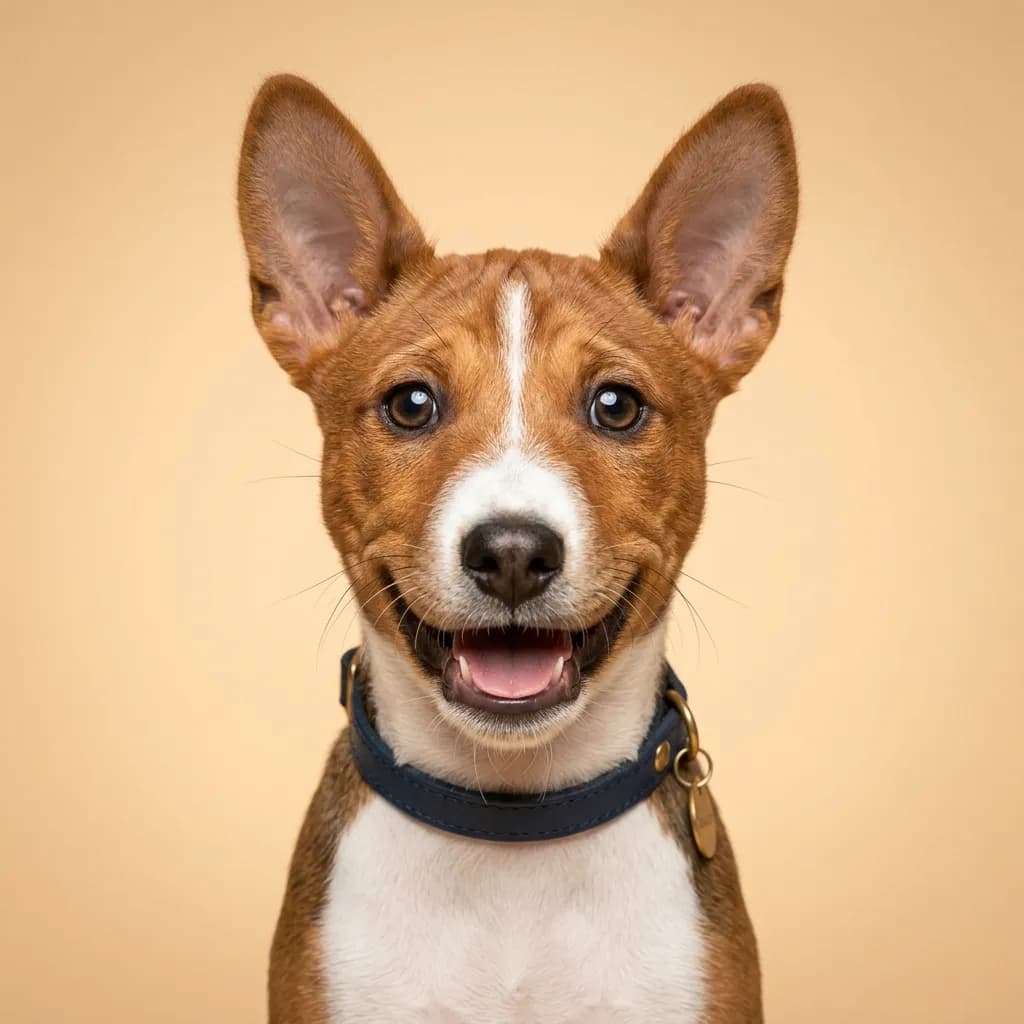
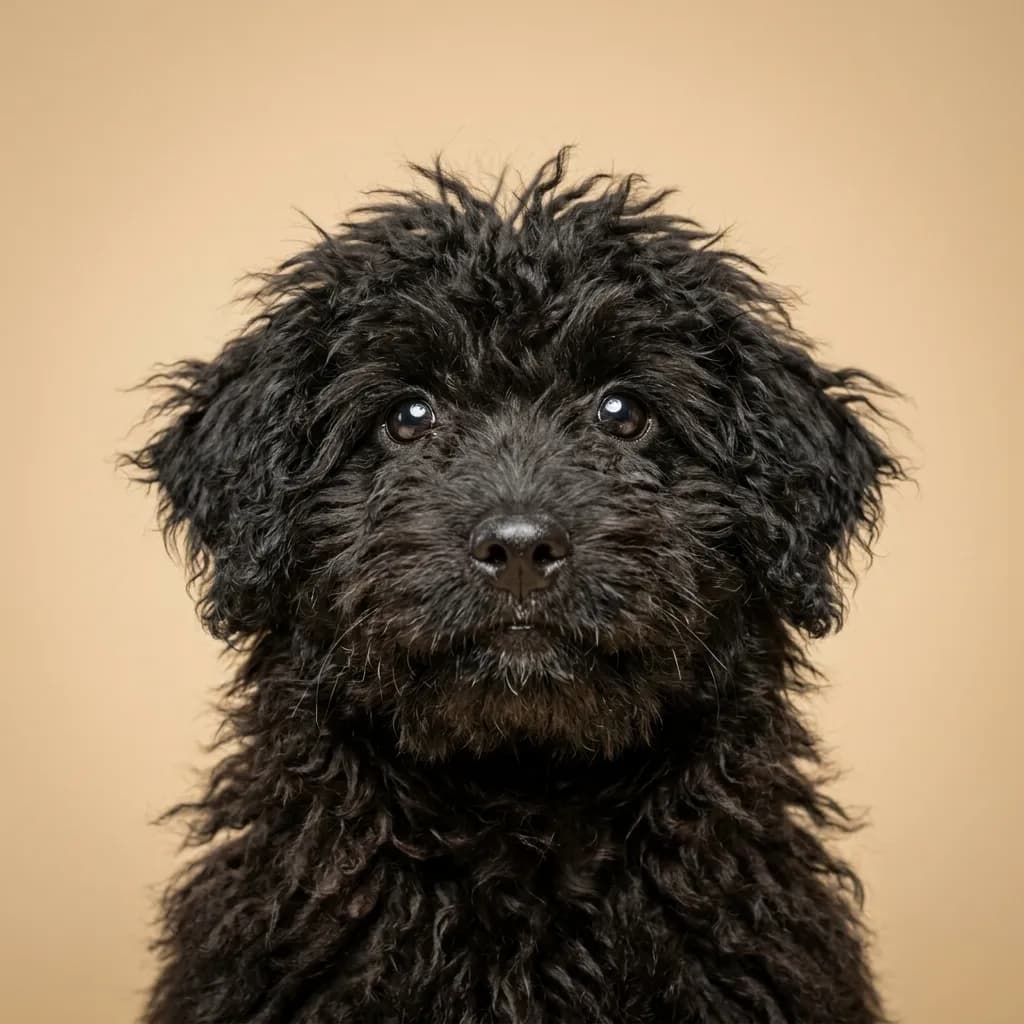
People toss the Basenji and Puli into the same "unusual medium-sized dog" bucket, probably because both turn heads. one looks like a jungle cat with a coiled spring for a tail, the other like a mop that learned to bark. But that’s where the similarities end. These breeds come from opposite ends of the working-dog spectrum, and if you’re choosing between them, you’re really choosing between control and chaos, connection and independence. The Basenji is a sleek, silent hunter from Central Africa who’d rather solve a puzzle than please you. They’re smart, sure, but that intelligence comes with a stubborn streak a mile wide. You’ll love their catlike grooming habits and apartment-friendly silence. until you realize they won’t come when called and might side-eye you for asking. They bond, but on their terms. You’ll need patience, consistency, and a home without free-roaming hamsters. this dog has prey drive baked into its DNA. The Puli, meanwhile, is a bouncy, balled-up herder from the Hungarian plains, obsessed with its people and eager to learn. That wild corded coat isn’t just for show. it takes serious upkeep, but you’ll get a dog that’s deeply loyal, trainable, and thrives on involvement. They’re not loud, but they’ll alert you to a leaf blowing past the window. Great with kids if socialized, but they need activity and mental challenges or they’ll invent their own. usually involving your favorite shoes. Here’s the real talk: the Basenji will never be your shadow. The Puli might smother you with love. If you want a dog that feels like a companion in a partnership, go Puli. If you want a self-contained, aloof roommate with occasional bursts of joy, the Basenji might be your match. But neither is for beginners. One demands respect for its independence. The other demands time. grooming, training, attention. Pick based on which kind of work you’re willing to do.
Trait-by-trait
Higher bar = more of that trait. Shedding, barking, drooling, grooming flipped for readability.Where they diverge
Choose the Basenji if…
- Apartments
- Experienced owners
- Allergy sufferers
- You value shedding level — Basenji scores noticeably higher.
Choose the Puli if…
- Active families
- Experienced dog owners
- Those wanting a unique coat
- You value coat grooming — Puli scores higher here.