Basenji vs Slovensky Kopov
Side-by-side comparison across all 14 AKC trait ratings, with a clear verdict on which breed fits which kind of household.
Not sure which breed fits your life?
Answer five questions about your home, your schedule, and your tolerance for shedding. We’ll match you to your top three breeds from over 200.
Basenji vs Slovensky Kopov
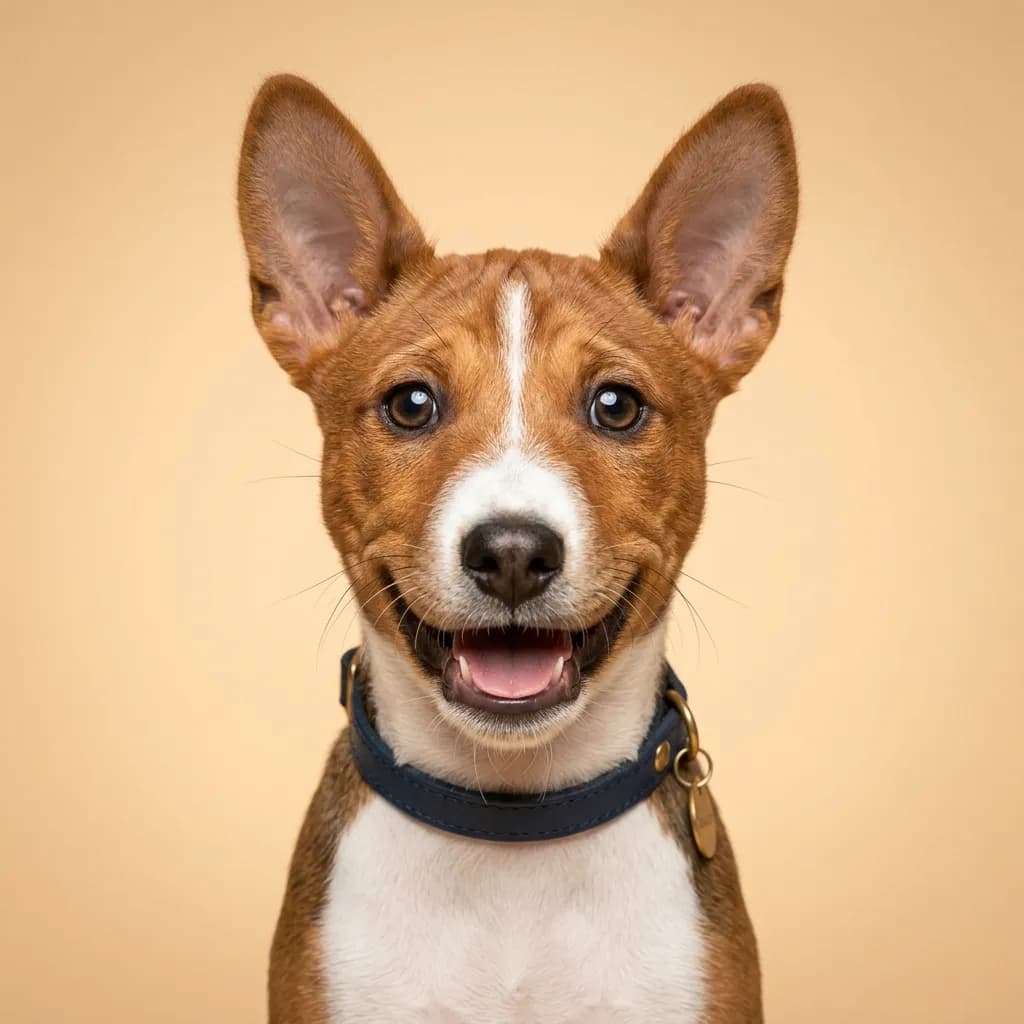
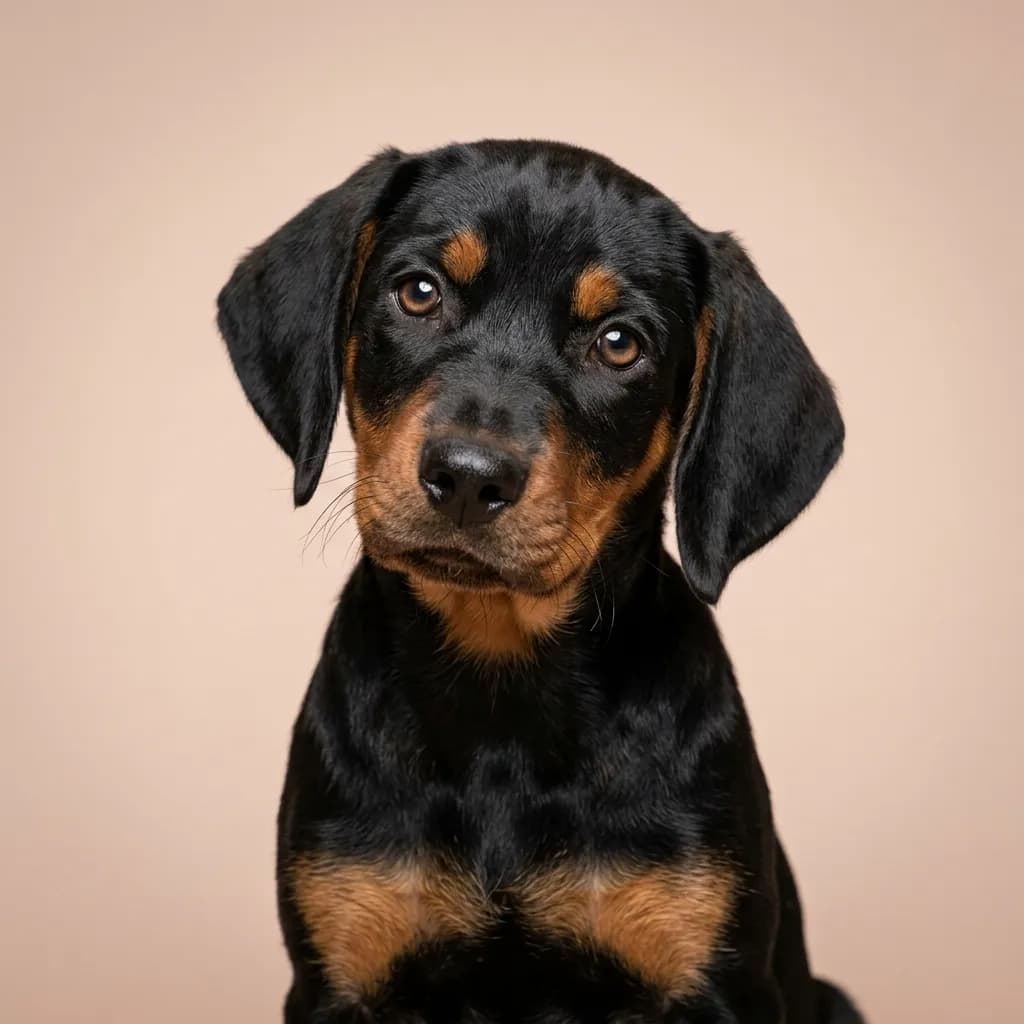
People compare Basenjis and Slovensky Kopovs because both are rare, independent-minded hounds that don’t fit the typical “obedient family dog” mold. They’re drawn to the mystique of a dog that thinks for itself, but that’s where the similarities end. Choosing between them isn’t just preference. it’s about matching lifestyle to instinct. The Basenji, that sleek, cat-like charmer from Central Africa, is built for heat and stealth. It won’t bark, but it will yodel, and it will outthink you. This dog thrives on mental puzzles, not praise. You’ll love its fastidious grooming and low shedding. great for allergies. but don’t expect a cuddler. It’s affectionate on its own terms, and its prey drive is sky-high. If you live in an apartment and want a compact, quiet(ish) hound, the Basenji might tempt you. But only if you’ve handled strong-willed dogs before. Training is an uphill battle; consistency and patience are non-negotiable. The Slovensky Kopov is a different kind of thinker. Heavier, coarser, built for cold Slovak forests and tracking boar, he’s calmer in energy but relentless when on a scent. He barks. deep, frequent, and with purpose. and he needs space. A backyard fence isn’t just recommended, it’s essential. He’s more trainable than the Basenji, more willing to work with you, but he’s not a city dog. You want this breed if you’re hunting, tracking, or live rurally and value a determined, loyal companion. Here’s the real insight: the Basenji tests your patience with independence; the Kopov tests your commitment to management. One is an escape artist in silence, the other a siren with a leash. Pick the Basenji if you want a quirky, self-contained athlete. Pick the Kopov if you’re ready to channel a working hound’s focus. with time, terrain, and training.
Trait-by-trait
Higher bar = more of that trait. Shedding, barking, drooling, grooming flipped for readability.Where they diverge
Choose the Basenji if…
- Apartments
- Experienced owners
- Allergy sufferers
- You value energy level — Basenji scores noticeably higher.
Choose the Slovensky Kopov if…
- hunters
- active rural owners
- experienced scent hound handlers
- You value trainability — Slovensky Kopov scores higher here.