Basenji vs West Highland White Terrier
Side-by-side comparison across all 14 AKC trait ratings, with a clear verdict on which breed fits which kind of household.

Not sure which breed fits your life?
Answer five questions about your home, your schedule, and your tolerance for shedding. We’ll match you to your top three breeds from over 200.
Basenji vs West Highland White Terrier
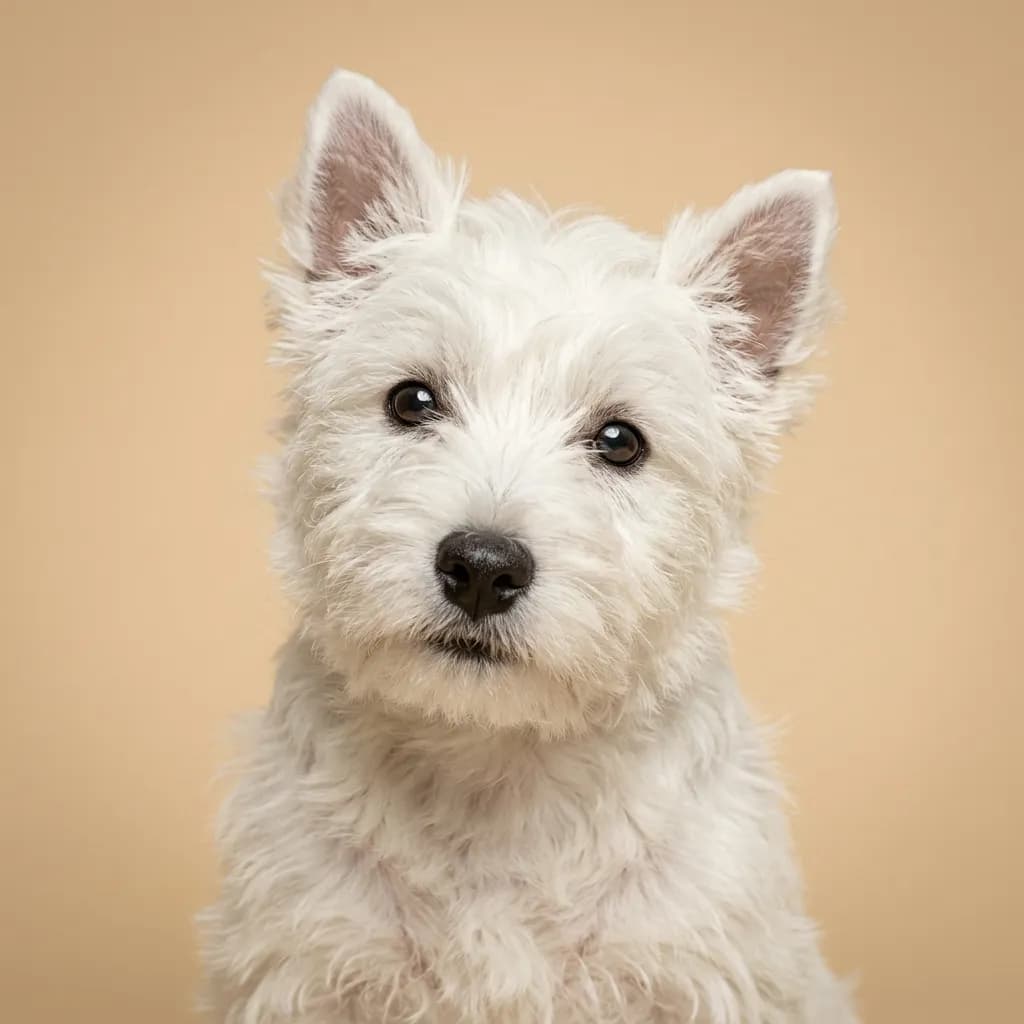
People compare Basenjis and Westies because they’re both compact, tidy-sized dogs that fit well in apartments and have that fox-like charm. But that’s where the similarities end. If you’re drawn to one, you’ll probably be frustrated by the other. The Basenji is like a cat with a dog’s body. aloof, meticulous, and quietly observant. It won’t bark, but it’ll yodel or howl if something catches its attention. This breed thrives on mental puzzles and independent exploration. You’re not so much its boss as you are its reluctant roommate. It’s smart enough to figure out your routines and manipulate them. Trainability is low for a reason. First-time owners often misinterpret this independence as stubbornness, but it’s really just selective cooperation. The Westie, on the other hand, wants to be part of your life. loudly and constantly. It barks at mail carriers, sings along to vacuum cleaners, and will follow you from room to room like a fuzzy little shadow. It’s affectionate, game for anything, and adores kids who treat it respectfully. But that terrier streak means it’s stubborn and prone to digging or chasing small animals. Choose the Basenji if you want a quiet, self-contained companion who rewards patience with quiet loyalty. Pick the Westie if you want a cheerful, interactive pal who’s always in the mix. Here’s the real talk: the Basenji’s silence isn’t peace. it’s focus. That quiet intensity means it’s always processing, planning, or plotting an escape. And the Westie’s barking isn’t just noise. it’s pride. It thinks it’s protecting you, every single time. Know what you’re signing up for: one dog’s independence, the other’s insistence on involvement.
Trait-by-trait
Higher bar = more of that trait. Shedding, barking, drooling, grooming flipped for readability.Where they diverge
Choose the Basenji if…
- Apartments
- Experienced owners
- Allergy sufferers
Choose the West Highland White Terrier if…
- Apartment living
- Families with older children
- People with mild dog allergies
- You value barking level — West Highland White Terrier scores higher here.