Basenji vs Xoloitzcuintli
Side-by-side comparison across all 14 AKC trait ratings, with a clear verdict on which breed fits which kind of household.

Not sure which breed fits your life?
Answer five questions about your home, your schedule, and your tolerance for shedding. We’ll match you to your top three breeds from over 200.
Basenji vs Xoloitzcuintli
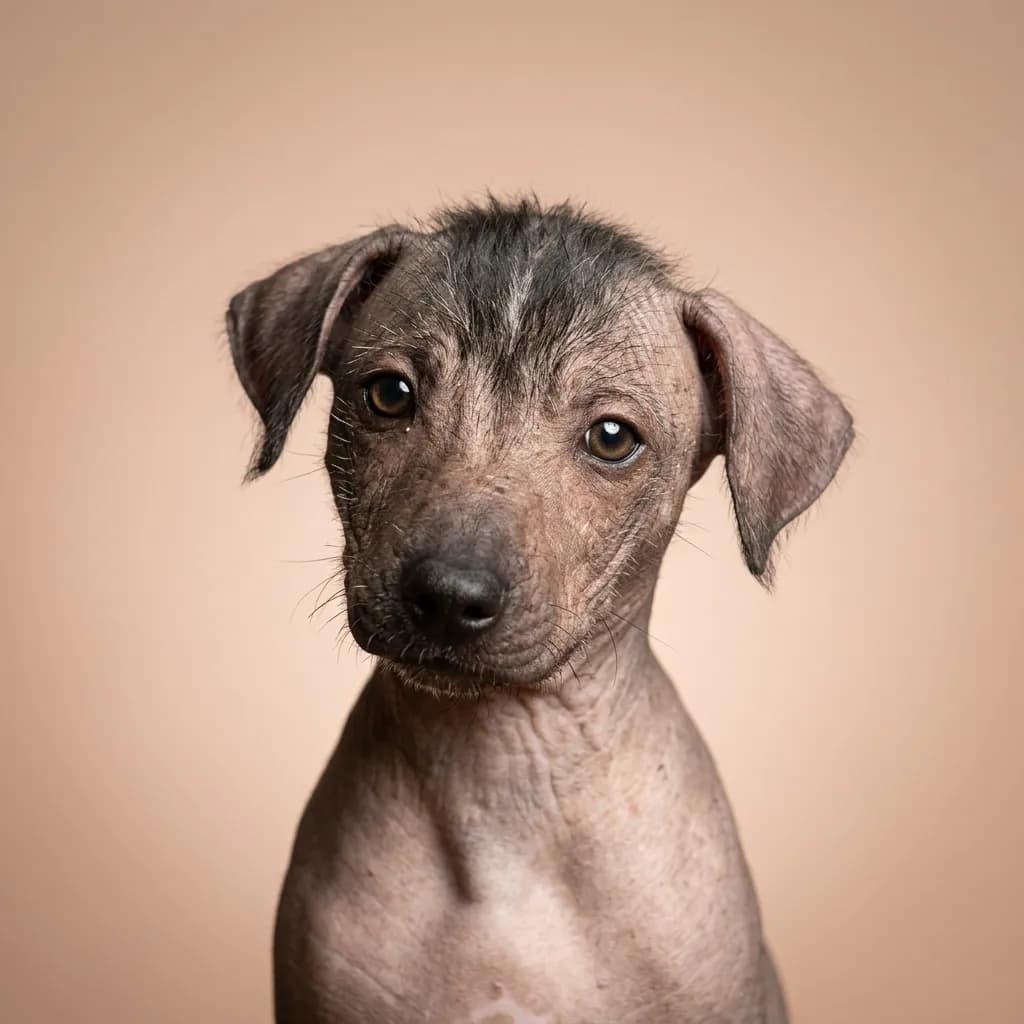
People compare Basenjis and Xolos because they’re both ancient, rare, and don’t bark like typical dogs. making them intriguing to folks who want something truly different. But that’s where the similarities end. If the Basenji is the aloof, cat-like hunter from the African jungle, the Xolo is the quiet, warm-blooded guardian from Aztec temples, pressing close to your side like a living hot water bottle. The Basenji won’t bark, but it will yodel, and it will outthink you. It’s smart and energetic, yes, but its independence makes training a constant negotiation. You don’t own a Basenji so much as coexist with it. It’s clean, low-shedding, and great in apartments, but only if you’re experienced and can handle its escape artist tendencies and prey drive. It’s not the dog you hug after work. It’s the one that watches you from across the room like a mildly curious diplomat. The Xolo, especially the hairless version, bonds intensely. It’s loyal to the point of clinginess, thrives on human contact, and while it doesn’t bark excessively, it will alert you to anything off. It’s more trainable and adaptable, but its skin needs care. sunscreen in summer, sweaters in winter. This isn’t a set-it-and-forget-it dog. You’ll spend time on its skin and dental health, especially if you go hairless. Here’s the real insight: both are for experienced owners, but for opposite reasons. You need patience with the Basenji because it won’t listen. You need patience with the Xolo because it feels everything. Choose the Basenji if you want a self-contained companion with a wild streak. Choose the Xolo if you want a soulful shadow who happens to be a dog.
Trait-by-trait
Higher bar = more of that trait. Shedding, barking, drooling, grooming flipped for readability.Where they diverge
Choose the Basenji if…
- Apartments
- Experienced owners
- Allergy sufferers
- You value shedding level — Basenji scores noticeably higher.
Choose the Xoloitzcuintli if…
- People with dog allergies
- Experienced dog owners
- Those wanting a rare and ancient breed
- You value affectionate w/ family — Xoloitzcuintli scores higher here.