Basset Fauve de Bretagne vs Puli
Side-by-side comparison across all 14 AKC trait ratings, with a clear verdict on which breed fits which kind of household.
Not sure which breed fits your life?
Answer five questions about your home, your schedule, and your tolerance for shedding. We’ll match you to your top three breeds from over 200.
Basset Fauve de Bretagne vs Puli
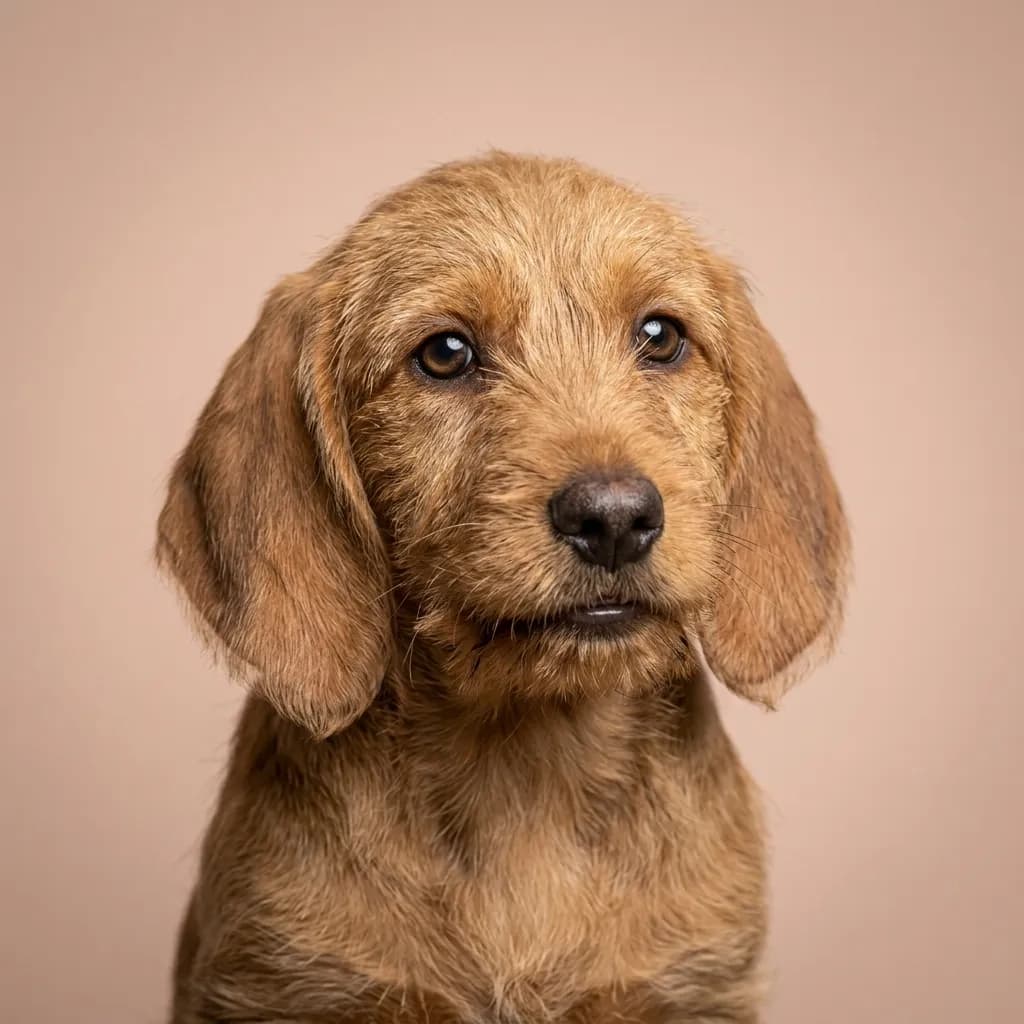
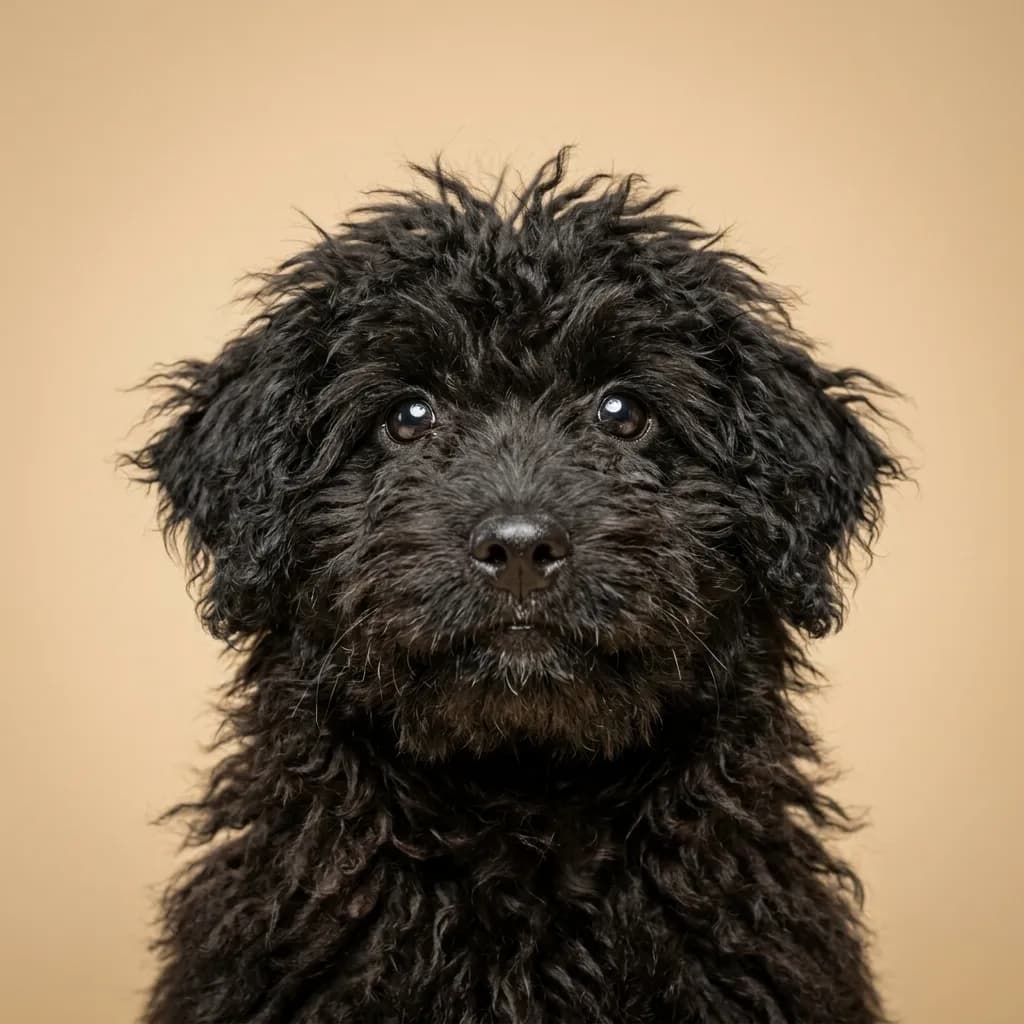
You’re probably comparing these two because they’re rare, scrappy little dogs with big personalities and even bigger coats. But that’s where the similarities end. The Basset Fauve de Bretagne and the Puli aren’t really rivals. they’re two answers to very different questions. The Basset Fauve is the wiry, sun-bleached hunter from the French brush, built to push through brambles all day. He’s got that relentless nose, a yap that won’t quit, and energy that surprises you in such a low-slung frame. If you’re hiking, gardening, or chasing kids through the yard, he’s game. He’s great with families, but don’t expect him to settle in a city apartment. he needs space and a job, even if it’s just finding hidden toys in the backyard. The Puli, meanwhile, is the dreadlocked guardian from the Hungarian plains. He’s calmer, more thoughtful, and deeply bonded to his people. He’s a thinker, scores high on trainability and mental stimulation, and thrives when he’s part of a routine. That coat? It’s not just for show. it takes real work. You’ll need to felt or clip it regularly, so if you’re not ready for weekly grooming sessions, skip this breed. Here’s what the data won’t tell you: the Puli watches. He reads your mood, anticipates your moves, and attaches like velcro. The Basset Fauve, on the other hand, is more of a happy explorer. he’ll follow a scent trail right into next week if you let him. So choose the Puli if you want a devoted, trainable partner who’ll mirror your life. Choose the Basset Fauve if you want a cheerful, nose-to-the-ground adventurer who turns every walk into a mission. Just don’t expect either to be quiet, and don’t expect to blend in at the dog park.
Trait-by-trait
Higher bar = more of that trait. Shedding, barking, drooling, grooming flipped for readability.Where they diverge
Choose the Basset Fauve de Bretagne if…
- Families
- Active people
- Suburban homes
- You value good with young children — Basset Fauve de Bretagne scores noticeably higher.
Choose the Puli if…
- Active families
- Experienced dog owners
- Those wanting a unique coat
- You value coat grooming — Puli scores higher here.