Basset Hound vs Belgian Sheepdog
Side-by-side comparison across all 14 AKC trait ratings, with a clear verdict on which breed fits which kind of household.
Not sure which breed fits your life?
Answer five questions about your home, your schedule, and your tolerance for shedding. We’ll match you to your top three breeds from over 200.
Basset Hound vs Belgian Sheepdog
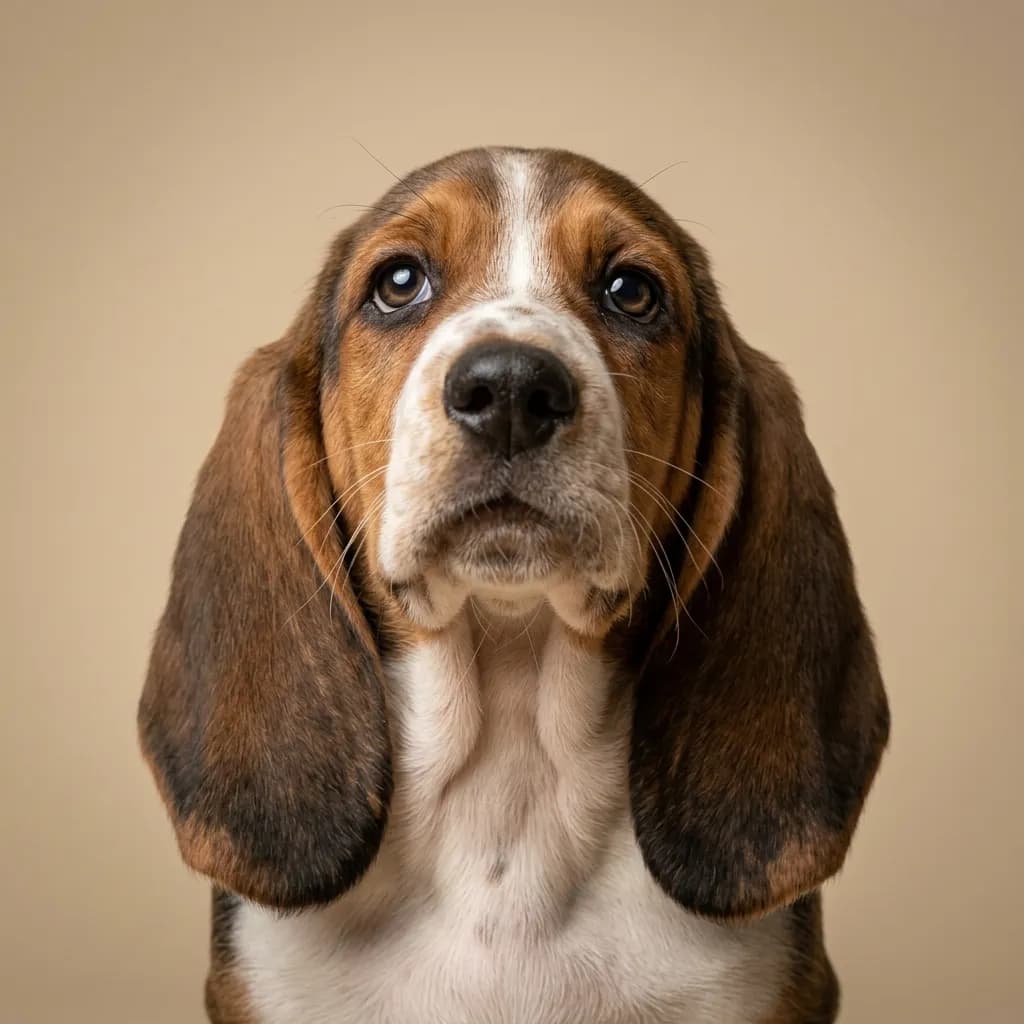
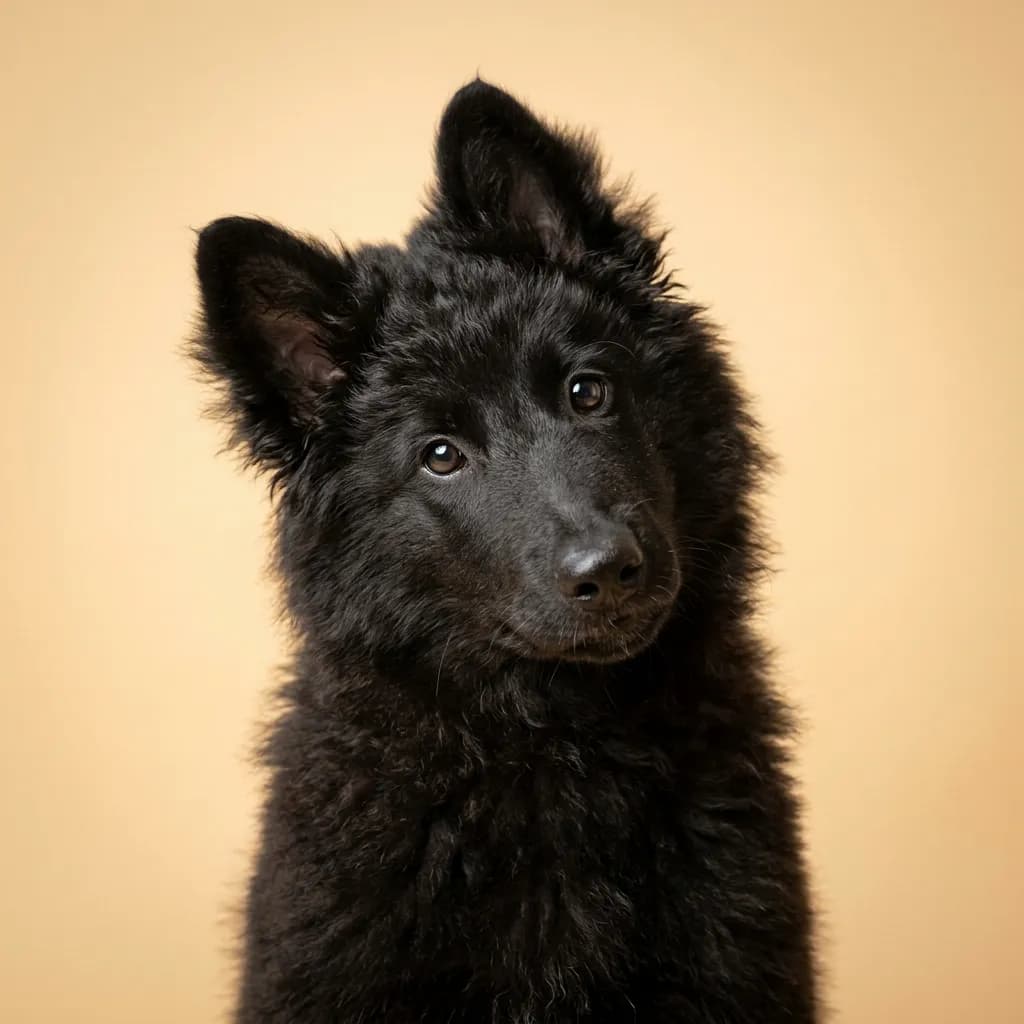
You don’t see these two in the same ring often, but people compare Basset Hounds and Belgian Sheepdogs when they’re torn between a calm home companion and a true working partner. On paper, they’re both medium to large dogs with deep loyalty and strong roots in Western Europe. But that’s where the similarity ends. The Basset Hound is your back-porch philosopher. He’s built low to the ground for tracking scent trails, not chasing frisbees. You’ll love his patience with kids and his easygoing rhythm. He’s happy on a short walk, then snoozing at your feet. But don’t expect him to come when called every time. his nose has veto power. And yes, he’ll howl if something catches his ear. They’re surprisingly good in apartments if you manage their weight, but their stubborn streak and love of food mean you’ll be vigilant about obesity. The Belgian Sheepdog is all motion and purpose. He’s got a jet engine under that long black coat. Bred to work all day, he needs mental challenges. obedience, agility, even therapy visits. He’s intensely trainable and bonds closely with his person, but he’s not a cuddle potato. Kids might find him too intense unless raised together. He thrives with active owners who want a dog that can do, not just exist. Here’s the real difference: the Basset wants to be with you. The Belgian wants to work for you. Pick the Basset if your ideal dog is a mellow, affectionate shadow. Pick the Belgian if you want a driven, responsive partner who’ll master every trick and still ask for more. One honest insight. the Belgian may look like a guard dog, but his real job is partnership. Miss that, and you’ll end up with a frustrated, pacing shadow instead of a happy companion.
Trait-by-trait
Higher bar = more of that trait. Shedding, barking, drooling, grooming flipped for readability.Where they diverge
Choose the Basset Hound if…
- Families
- Apartment dwellers
- Seniors
- You value drooling level — Basset Hound scores noticeably higher.
Choose the Belgian Sheepdog if…
- Active people
- Experienced owners
- Dog sports enthusiasts
- You value trainability — Belgian Sheepdog scores higher here.