Beagle vs Shikoku
Side-by-side comparison across all 14 AKC trait ratings, with a clear verdict on which breed fits which kind of household.
Not sure which breed fits your life?
Answer five questions about your home, your schedule, and your tolerance for shedding. We’ll match you to your top three breeds from over 200.
Beagle vs Shikoku
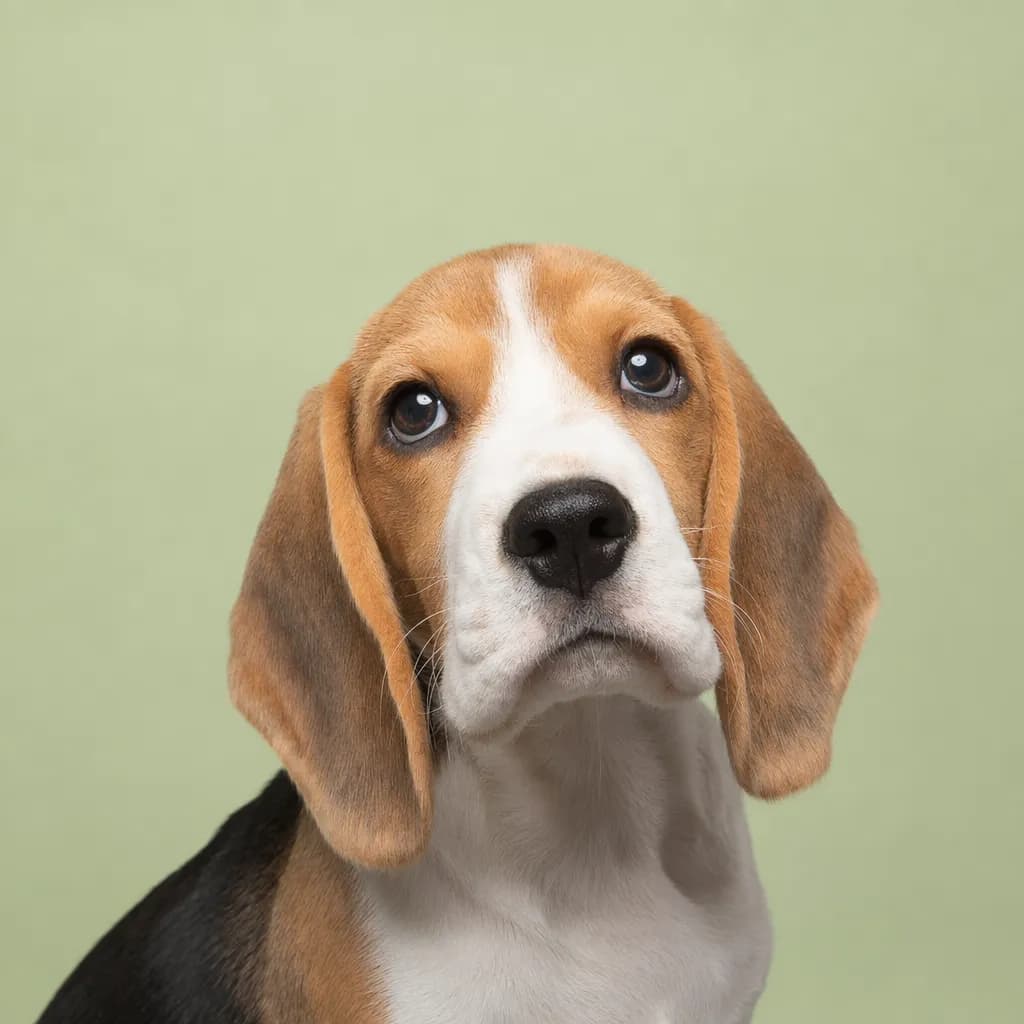
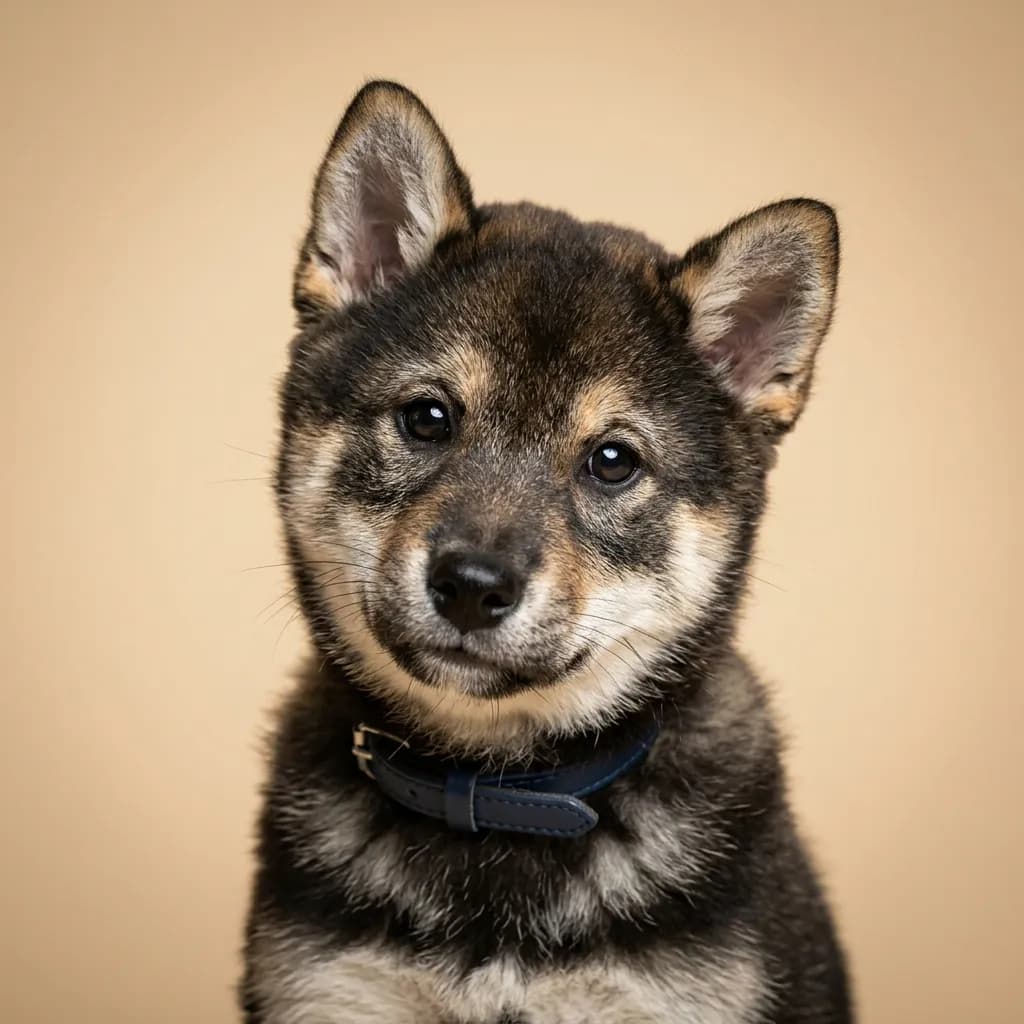
People compare Beagles and Shikokus because they’re both hunting hounds who look deceptively manageable. compact, clean-lined, and alert. But that’s where the similarity ends. If you’re picturing weekend hikes and family barbecues, a Beagle might weave effortlessly through the chaos, tail high, nose low, stopping to charm every kid and dog in sight. They’re pack animals through and through, bred to work in groups, which means they thrive on company and routine. You’ll need to outsmart their curiosity. food on the counter? Gone. Fence gap? Explored. But they’ll do it with a wag and zero malice. Now picture a Shikoku. This dog isn’t weaving through your family picnic. It’s perched on a rock, scanning the tree line. Bred to scale mountainous terrain and trail wild boar solo, the Shikoku is more reserved, more intense. It won’t bark at every squirrel, but if it spots something worth chasing, it’ll move with single-minded focus. They’re not aloof, but their affection is earned, not given freely. You don’t own a Shikoku. You earn its partnership. The real difference isn’t size or price. it’s control. Beagles are stubborn but predictable. Shikokus are independent thinkers who may decide your recall command doesn’t apply today. Families wanting a sociable, kid-friendly dog will find the Beagle forgiving and fun. But if you’re an experienced handler who hikes rugged trails and values a dog with wild instincts intact, the Shikoku offers something rare: a living piece of ancient dog history that still listens to the forest more than the leash. Here’s the truth the breeders won’t lead with: both dogs need jobs. But while a Beagle’s job can be finding hidden treats in the backyard, a Shikoku needs terrain, challenge, and respect. Underestimate that, and you’ll end up with a very expensive paperweight.
Trait-by-trait
Higher bar = more of that trait. Shedding, barking, drooling, grooming flipped for readability.Where they diverge
Choose the Beagle if…
- Families
- First-time owners
- Suburban homes
- You value good with young children — Beagle scores noticeably higher.
Choose the Shikoku if…
- Experienced dog owners
- Active outdoor enthusiasts
- Those wanting a primitive, independent breed
- You value coat grooming — Shikoku scores higher here.