Shikoku
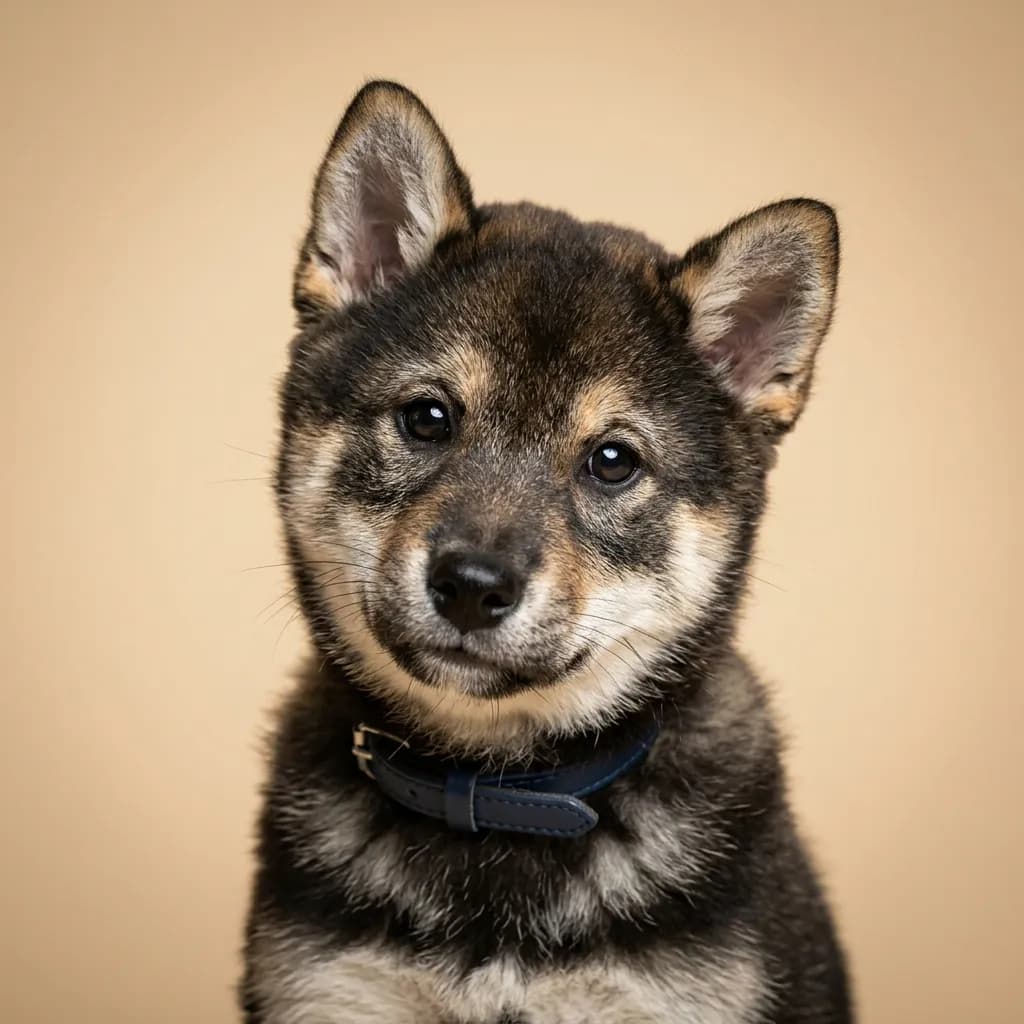
A primitive Japanese hunting dog that hasn't gotten the memo about domestication — in a fascinating way. Shikokus are intense, loyal to their person, and deeply athletic, with the kind of prey drive that makes off-leash hiking in wildlife country a bad idea. Rare outside Japan and not for casual dog owners.
Free weekly training plan, specific to your Shikoku’s age. Exactly what to focus on this week.
Get your free training planLiving with a Shikoku
The Shikoku is one of Japan’s six native spitz breeds, originally developed to hunt boar and deer in the rugged mountains of Shikoku Island. You won’t find this dog lounging on the couch at noon, and that’s the point. These dogs are built for terrain, alertness, and independence.
They’re part of the AKC’s Foundation Stock Service, which means they’re rare in the U.S, and when you do find one, you’ll pay for it, typically between $1,500 and $4,000 from a reputable breeder who health-tests their lines. Day to day, living with a Shikoku means living with a dog who’s always watching, always listening. They’re not barkers for the sake of noise, but they will alert you the second something changes in the environment.
That alertness is part of their charm, but it also means they’re not the kind of dog you can ignore. They’re moderately affectionate, don’t expect constant cuddles, but they form deep bonds with their people. Just don’t mistake that bond for obedience.
Trainability is a 3 out of 5 for a reason. They’re smart, yes, but they think for themselves. Positive reinforcement works, but consistency is non-negotiable.
These dogs need real exercise, not just a lap around the yard. Think 60-90 minutes of active movement daily, hiking, trail running, or off-leash play in secure areas. Mental stimulation is even more critical.
A bored Shikoku will find its own job, and you probably won’t like it. Puzzle toys, nose work, and structured games are essential. Grooming is manageable, weekly brushing, seasonal blowouts, but don’t underestimate the shedding.
It’s year-round, with heavy doubling during shed season. Their double coat protects them in the wild; it also covers your furniture. Health-wise, watch for hip dysplasia, patellar luxation, bloat, and PRA.
A good breeder will screen for these, but you should still budget for potential issues. Lifespan is 10 to 12 years, which is average for their size. They’re best for experienced owners who value a primitive, driven dog and have the lifestyle to match.
First-time owners, families with small pets, or anyone with a 9-to-5 desk job should think twice. Here’s the real talk: the Shikoku isn’t just independent. It’s quietly judging your life choices.
And honestly, it’s probably right.
14 traits, at a glance.
Every breed on PuppyBase is rated across the 14 trait dimensions the American Kennel Club publishes — from trainability to drooling level. The higher the score, the better the fit for that trait.
What to expect day-to-day
Things to screen for
See a full price breakdown — first-year costs, lifetime estimate, breeder vs. adoption.
Full price guideSimilar breeds
Browse all 200+


Common questions
How long do Shikokus live?
Shikokus typically live between 10 and 12 years, which is average for a dog of their size. Proper care, nutrition, and regular veterinary checkups can help support their longevity.
How much does a Shikoku puppy cost?
A Shikoku puppy usually costs between $2,000 and $4,500, with most averaging around $3,000. Their high price reflects their rarity, import challenges, and limited breeding pool outside Japan.
How much do Shikokus shed?
Shikokus shed moderately year-round and have a double coat that blows seasonally, requiring extra brushing during those times. You'll notice more hair around the house, especially in spring and fall.
What colors do Shikokus come in?
Shikokus come in three distinct sesame shades: sesame, black sesame, and red sesame. These are all variations of a base coat with black-tipped guard hairs giving a grizzled appearance.
How big do Shikokus get?
Shikokus stand between 17 and 22 inches tall at the shoulder and weigh 35 to 55 pounds, with males generally larger than females. They are medium-sized but powerfully built for mountain work.
Are Shikokus smart?
Yes, Shikokus are very intelligent and highly independent thinkers, which means they learn quickly but may choose whether or not to comply. They need consistent, mentally engaging training from an experienced handler.
Are Shikokus hypoallergenic?
No, Shikokus are not hypoallergenic. They have a double coat that sheds regularly, releasing dander into the environment, which can trigger allergies in sensitive individuals.
Are Shikokus aggressive?
Shikokus are not inherently aggressive but are naturally reserved with strangers and can be dog-selective, especially same-sex pairs. Early socialization is critical to manage their wariness and prevent reactive behavior.
What health problems are common in Shikokus?
Common health issues include hip dysplasia, progressive retinal atrophy, bloat, patellar luxation, and allergies. Responsible breeders screen for these, but owners should stay alert for early warning signs.
Do Shikokus bark a lot?
Shikokus bark moderately, usually to alert their family to something unusual or when excited. They're not constant barkers, but their alert nature means they won't stay quiet about approaching people or animals.
Are Shikokus easy to train?
Shikokus are moderately trainable but require an experienced hand—they're independent, focused on their own goals, and need motivation beyond obedience. Positive, consistent methods work best, but expect some stubbornness.
Are Shikokus good family dogs?
They can be, but only in experienced homes with older children and active lifestyles. They're loyal to their family but not overly affectionate, and their prey drive makes them unsuitable for homes with small pets.
Are Shikokus good with cats?
Generally, no. Shikokus have a high prey drive bred for hunting boar and deer, and most will chase or attack cats and other small animals. Even cats raised alongside them may not be safe.
Are Shikokus good hunting dogs?
Yes, Shikokus were bred to hunt boar and deer in rugged mountain terrain, and they excel at tracking, endurance, and independence in the field. Their drive, focus, and athleticism make them serious working hunters.
Can Shikokus live in apartments?
No, Shikokus are a poor fit for apartment living. They need space, mental challenges, and daily vigorous exercise, and their adaptability to confined environments is very low.
Are Shikokus good first dogs?
No, Shikokus are not recommended for first-time dog owners. Their independence, strong will, and need for expert handling make them challenging even for experienced handlers.
Not sure which breed fits your life?
Answer five questions about your home, your schedule, and your tolerance for shedding. We’ll match you to your top three breeds from over 200.