Bearded Collie vs Keeshond
Side-by-side comparison across all 14 AKC trait ratings, with a clear verdict on which breed fits which kind of household.
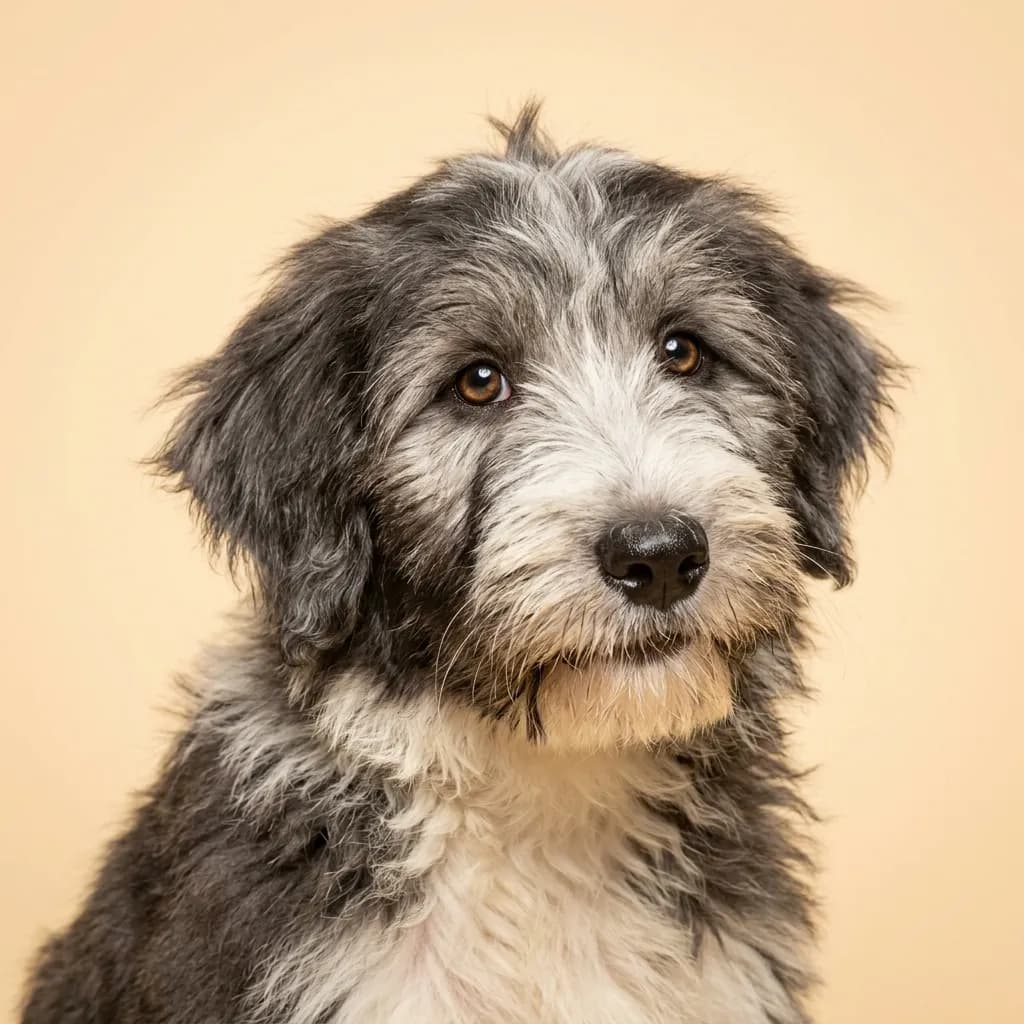
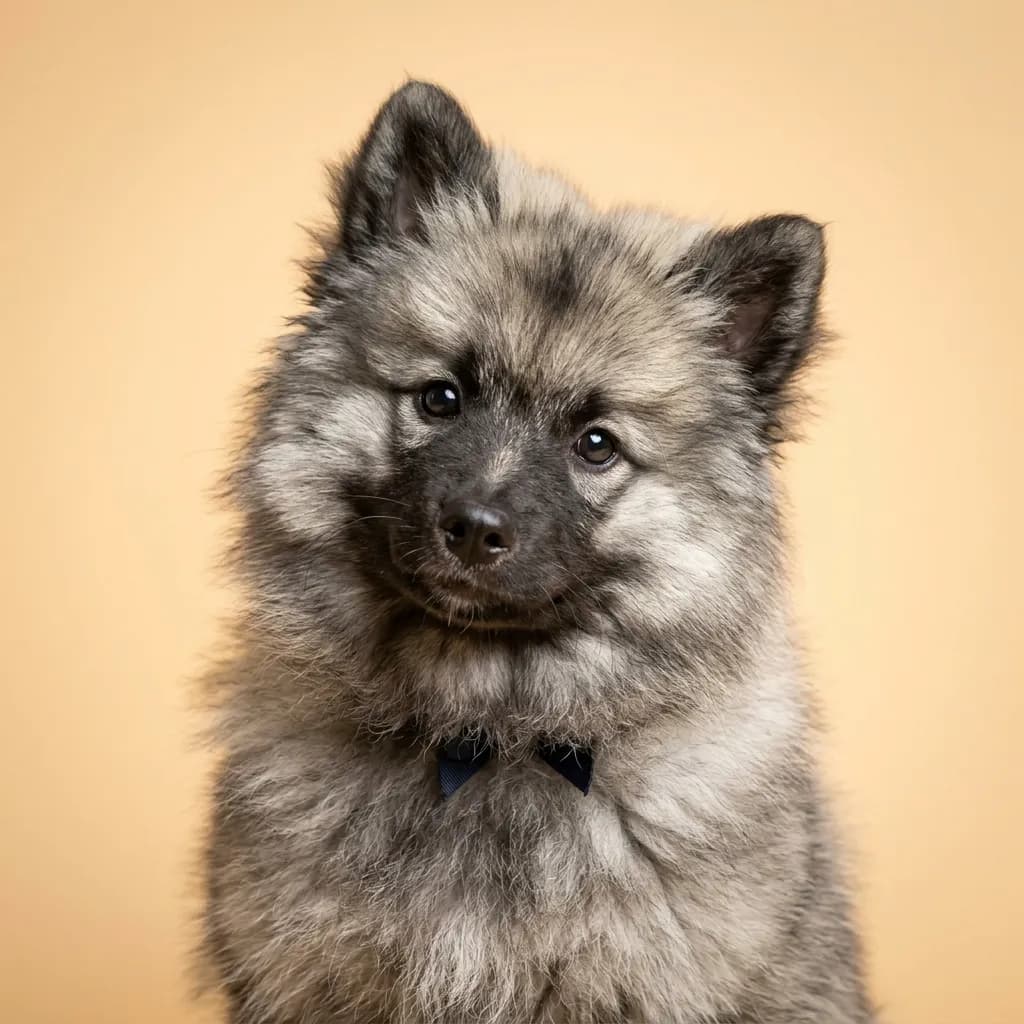
Not sure which breed fits your life?
Answer five questions about your home, your schedule, and your tolerance for shedding. We’ll match you to your top three breeds from over 200.
Bearded Collie vs Keeshond
People compare Bearded Collies and Keeshonds because they’re both medium-sized, fluffy, family-friendly dogs with bouncy personalities and a knack for making people smile. On the surface, they look like distant cousins. both have that expressive, almost human-like warmth. But live with either for a few months, and you’ll realize they’re built for entirely different lives. The Bearded Collie was shaped by the wild Scottish Highlands, moving stubborn sheep across rain-lashed moors. That history shows. They’re tireless, a little independent, and will test your leadership if you’re not consistent. They’ll bark at anything that moves, and their long, shaggy coat needs brushing every other day. no shortcuts. You don’t own a Beardie, you partner with one. They thrive in homes with big yards, active routines, and owners who don’t mind a dog that sometimes decides the walk’s route. The Keeshond, meanwhile, was the friendly face on Dutch barges, charming crews and watching for trouble. They’re more compact, easier to train, and deeply in tune with their people. They’ll attach themselves to your side, read your mood, and bark at unfamiliar noises. but not constantly. Their thick double coat sheds seasonally, so you’ll still find fur on your clothes, but they’re better suited to suburban life or even a well-exercised city apartment. Families wanting a dog that’s easier to manage, especially first-time owners, should lean Keeshond. But if you’re active, experienced, and want a dog with dramatic flair and endless energy, the Beardie will steal your heart. and your hiking boots. Here’s the real insight: the Keeshond wants to be your shadow. The Beardie wants to be your co-pilot. One follows, the other negotiates. Know which relationship you’re signing up for.
Trait-by-trait
Higher bar = more of that trait. Shedding, barking, drooling, grooming flipped for readability.Where they diverge
Choose the Bearded Collie if…
- Active people
- Families
- Dog sports enthusiasts
- You value coat grooming — Bearded Collie scores noticeably higher.
Choose the Keeshond if…
- Families with children
- Active owners
- Cold climates
- You value watchdog / protective — Keeshond scores higher here.