Keeshond
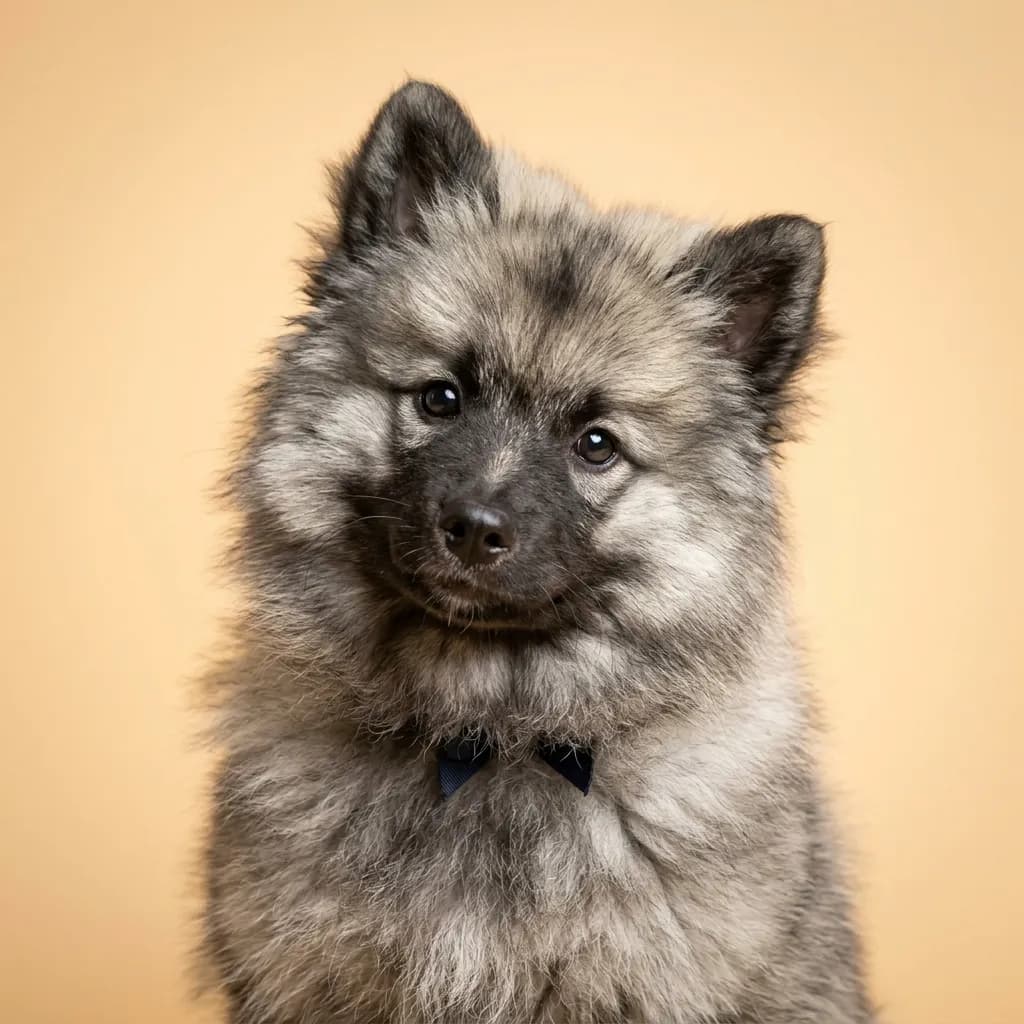
The original Dutch barge dog — cheerful, fluffy, and built to be social. The Keeshond is one of those rare breeds that's genuinely friendly without being exhausting about it, content to hang around the family rather than demand constant activity. The double coat sheds heavily twice a year, so invest in a good vacuum.
Free weekly training plan, specific to your Keeshond’s age. Exactly what to focus on this week.
Get your free training planLiving with a Keeshond
You’re not just getting a dog when you bring home a Keeshond, you’re adopting a furry politician with a permanent smile and a flair for drama. Originally bred as watchdogs on Dutch canal boats, these medium-sized fluffballs with their signature “spectacles” and silver-tipped coats were designed to be alert, friendly, and always in the middle of the action. Don’t let the teddy bear looks fool you.
They’re smart, opinionated, and will let you know, loudly, if the mailman so much as breathes near your front gate. Barking? Yeah, it’s a 4 out of 5.
You’ll love their watchdog instincts until 6 a.m, when the neighbor’s trash can lid makes a noise. Day to day, a Keeshond is like living with a cheerful, slightly chatty roommate who wants to be involved in everything. They’re outgoing and deeply attached, thriving on human interaction.
Leave them alone too long and they’ll either bark the house down or chew your favorite shoes out of boredom. They’re fantastic with kids, patient, gentle, and playful, making them ideal for families. But here’s the thing: they need engagement.
Not just walks, but puzzles, training games, even agility. Their energy level is high and their brains need work. Skip the mental stimulation and you’ll get a bored dog with too much time on their paws.
Grooming isn’t for the faint of heart. That lush double coat sheds year-round (3 out of 5 on shedding, but don’t be fooled. “moderate” means weekly brushing minimum, and heavy seasonal blowouts).
You’ll need a good vacuum and a slicker brush you actually use. No, they’re not high maintenance like a Poodle, but don’t expect low effort. Health-wise, they’re generally solid with a 12 to 15 year lifespan, but watch for hip dysplasia, epilepsy, and a lesser-known issue, primary hyperparathyroidism, which affects calcium levels.
Find a breeder who screens for these, and budget for annual blood panels. They’re perfect for active families, first-time owners who want a trainable companion, and anyone in colder climates. But if you live in Phoenix or hate noise, look elsewhere.
Here’s my take: most people see the fluff and think “cute lap dog.” Wrong. This is a dog that wants to co-host your podcast, join your morning run, and then debate you on the couch about where to order dinner. They’re not just friendly, they’re participatory.
If you want a shadow, not just a pet, the Keeshond delivers.
14 traits, at a glance.
Every breed on PuppyBase is rated across the 14 trait dimensions the American Kennel Club publishes — from trainability to drooling level. The higher the score, the better the fit for that trait.
What to expect day-to-day
Things to screen for
- Epilepsy
- Primary Hyperparathyroidism
- Hypothyroidism
- Hip dysplasia
- Skin conditions
See a full price breakdown — first-year costs, lifetime estimate, breeder vs. adoption.
Full price guideSimilar breeds
Browse all 200+



Common questions
How long do Keeshonds live?
Keeshonds typically live between 12 and 15 years, which is a solid lifespan for a dog of their size. With proper care and regular vet checkups, many live into their mid-teens.
How much does a Keeshond puppy cost?
A Keeshond puppy usually costs between $1,200 and $3,000, with most people paying around $2,000. Prices vary based on breeder reputation, location, and lineage.
How much do Keeshonds shed?
Keeshonds shed moderately year-round and blow their undercoat heavily twice a year. You'll need to brush them weekly, plus more during shedding season to manage the fur.
What colors do Keeshonds come in?
Keeshonds come in striking gray, black, and cream coloring with a signature 'spectacles' marking around the eyes. The pattern is part of the breed standard and doesn’t vary much.
How big do Keeshonds get?
Keeshonds are medium-sized dogs, standing 17 to 18 inches tall at the shoulder and weighing 35 to 45 pounds. They’re sturdy but not bulky, with a compact, well-balanced build.
Are Keeshonds smart?
Yes, Keeshonds are very intelligent and eager to learn. They pick up new commands in just a few repetitions and thrive on mental engagement.
Are Keeshonds hypoallergenic?
No, Keeshonds are not hypoallergenic. Their double coat sheds regularly and releases dander, so they’re not a good fit for people with allergies.
Are Keeshonds aggressive?
No, Keeshonds are not aggressive. They’re friendly, outgoing, and social with people and other animals, though they’re alert and will bark to announce visitors.
What health problems are common in Keeshonds?
Keeshonds can be prone to hip dysplasia, epilepsy, hypothyroidism, skin conditions, and primary hyperparathyroidism. Reputable breeders screen for these, so ask for health clearances.
Do Keeshonds bark a lot?
Yes, Keeshonds bark quite a bit. They were bred as watchdogs and will vocalize to alert you, so expect regular barking if you want a quiet home.
Are Keeshonds easy to train?
Yes, Keeshonds are highly trainable thanks to their intelligence and desire to please. They respond best to positive reinforcement and consistent routines.
Are Keeshonds good family dogs?
Absolutely, Keeshonds are excellent family dogs. They’re affectionate with kids, get along with other pets, and bond closely with all household members.
Are Keeshonds good with cats?
Yes, Keeshonds usually get along well with cats, especially if raised together. Their friendly, social nature makes them adaptable to other household pets.
Are Keeshonds good first dogs?
Yes, Keeshonds are a great choice for first-time owners. They’re trainable, adaptable, and eager to please, though you must commit to grooming and mental stimulation.
Can Keeshonds live in apartments?
Yes, Keeshonds can live in apartments as long as they get daily walks and mental engagement. They adapt well to indoor living but need their coat brushed regularly.
Are Keeshonds good guard dogs?
Keeshonds aren’t aggressive enough to be true guard dogs, but they’re excellent watchdogs. They’ll bark at anything unusual and stay alert, making them dependable for alerting.
Not sure which breed fits your life?
Answer five questions about your home, your schedule, and your tolerance for shedding. We’ll match you to your top three breeds from over 200.