Belgian Laekenois vs Cesky Terrier
Side-by-side comparison across all 14 AKC trait ratings, with a clear verdict on which breed fits which kind of household.
Not sure which breed fits your life?
Answer five questions about your home, your schedule, and your tolerance for shedding. We’ll match you to your top three breeds from over 200.
Belgian Laekenois vs Cesky Terrier
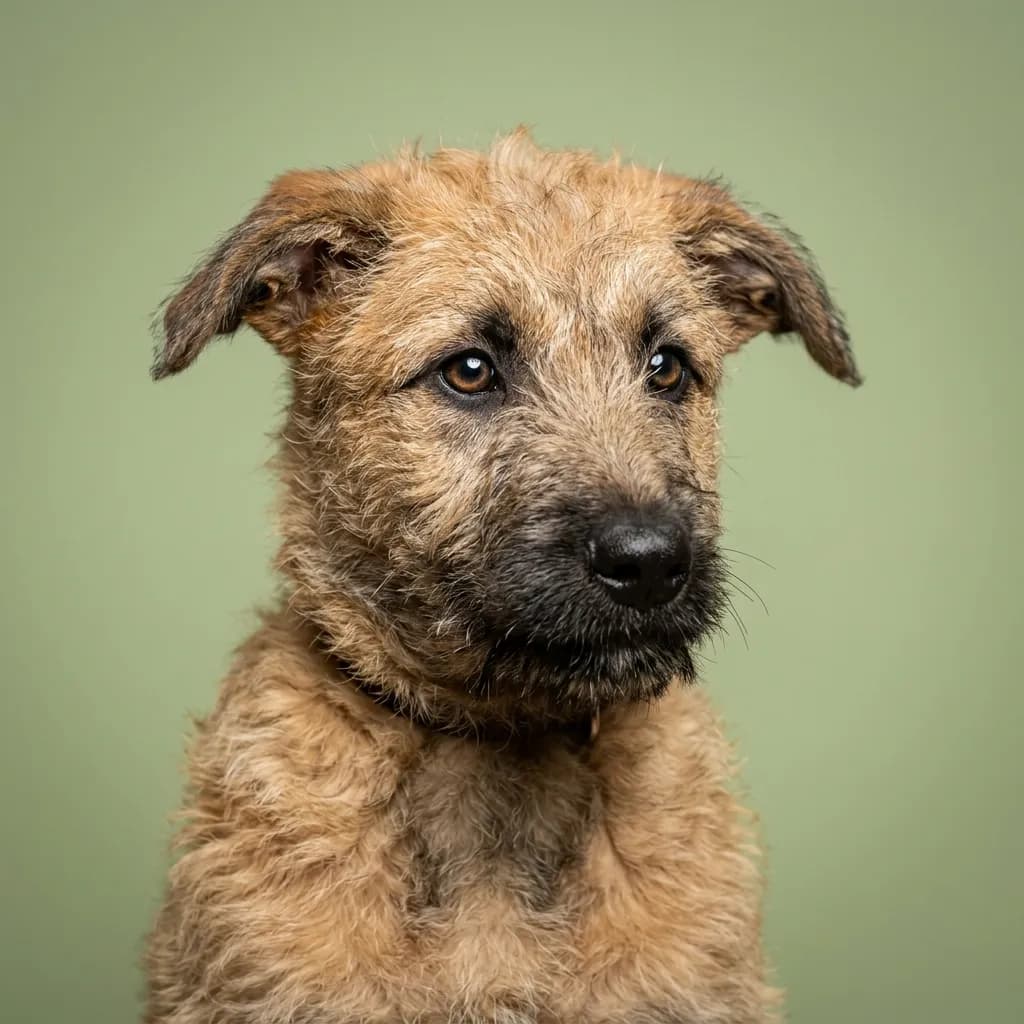
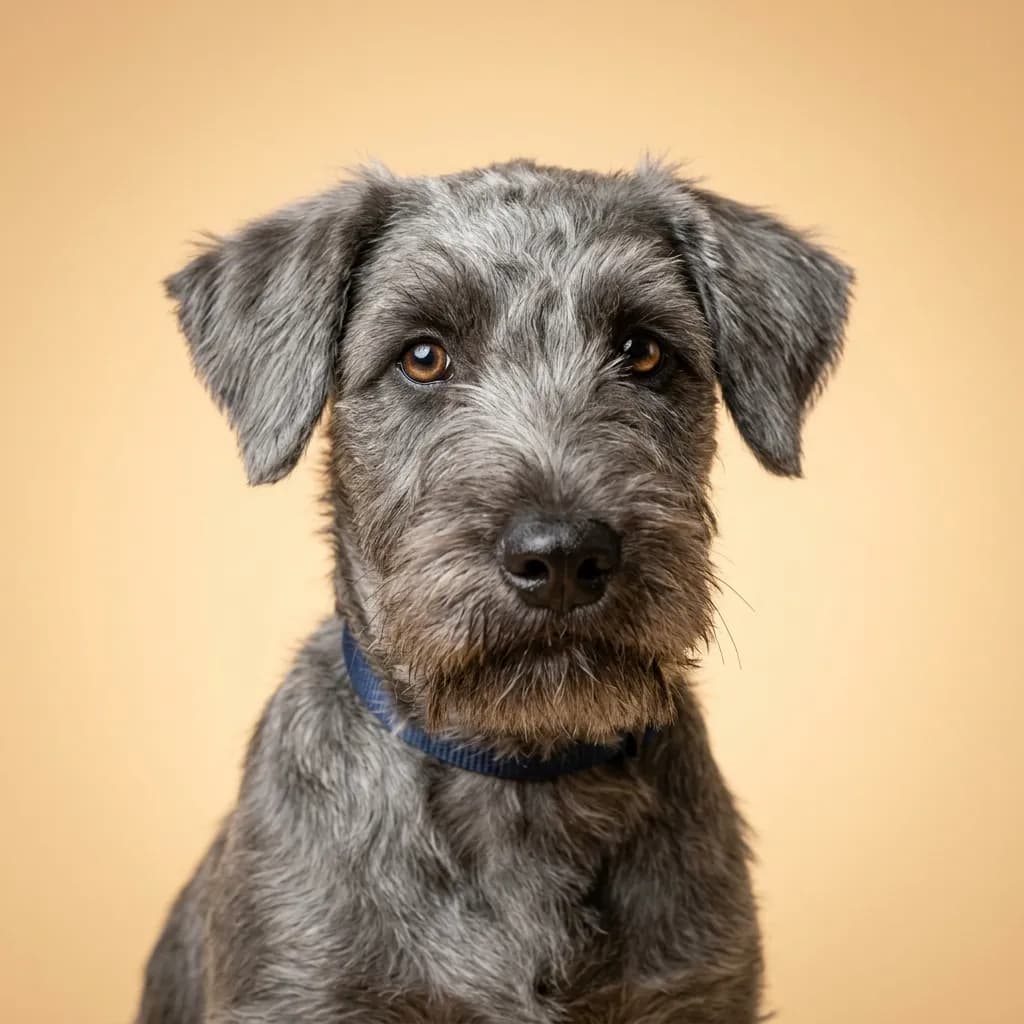
You’re probably not comparing a Belgian Laekenois and a Cesky Terrier because they look alike. they don’t. You’re looking at these two because you want a rare dog that’s smart and loyal, and you’re willing to go off the beaten path. But that’s where the similarity ends. The Laekenois is a working dog through and through. At 60 pounds and built like a rangy athlete, this Belgian herder was bred to patrol fields and guard laundry. yes, really. Today, it’s happiest with a job, whether that’s agility, tracking, or hiking 10 miles with you on weekends. It’s deeply loyal and highly trainable, but it needs structure and activity. Without it, that sharp mind turns mischievous. It’s not the best for families with young kids. it can be aloof with them. and forget apartment life unless you’re gone all day at a dog-friendly job and bring it to the dog park twice daily. The Cesky Terrier, meanwhile, is a quiet game-changer. Smaller than a corgi, with a long, soft beard and a coat like human hair, it’s calm indoors and thrives in apartments. It bonds closely with its family and is genuinely great with kids, which is rare for terriers. It’s not lazy. it likes walks and the occasional romp. but it won’t demand constant mental puzzles or off-leash sprints. That said, it can be stubborn, and if you don’t keep up with hand-stripping or clipping, that coat turns into a matted nightmare. Here’s the real difference: the Laekenois will reshape your life around its energy. The Cesky fits into yours. Pick the Laekenois if you need a partner in adventure. Pick the Cesky if you want a rare, affectionate companion who won’t hijack your weekends.
Trait-by-trait
Higher bar = more of that trait. Shedding, barking, drooling, grooming flipped for readability.Where they diverge
Choose the Belgian Laekenois if…
- Experienced owners
- Active people
- Working roles
- You value trainability — Belgian Laekenois scores noticeably higher.
Choose the Cesky Terrier if…
- Apartment living
- Families with children
- Less active individuals
- You value good with young children — Cesky Terrier scores higher here.