Belgian Laekenois vs Karelian Bear Dog
Side-by-side comparison across all 14 AKC trait ratings, with a clear verdict on which breed fits which kind of household.
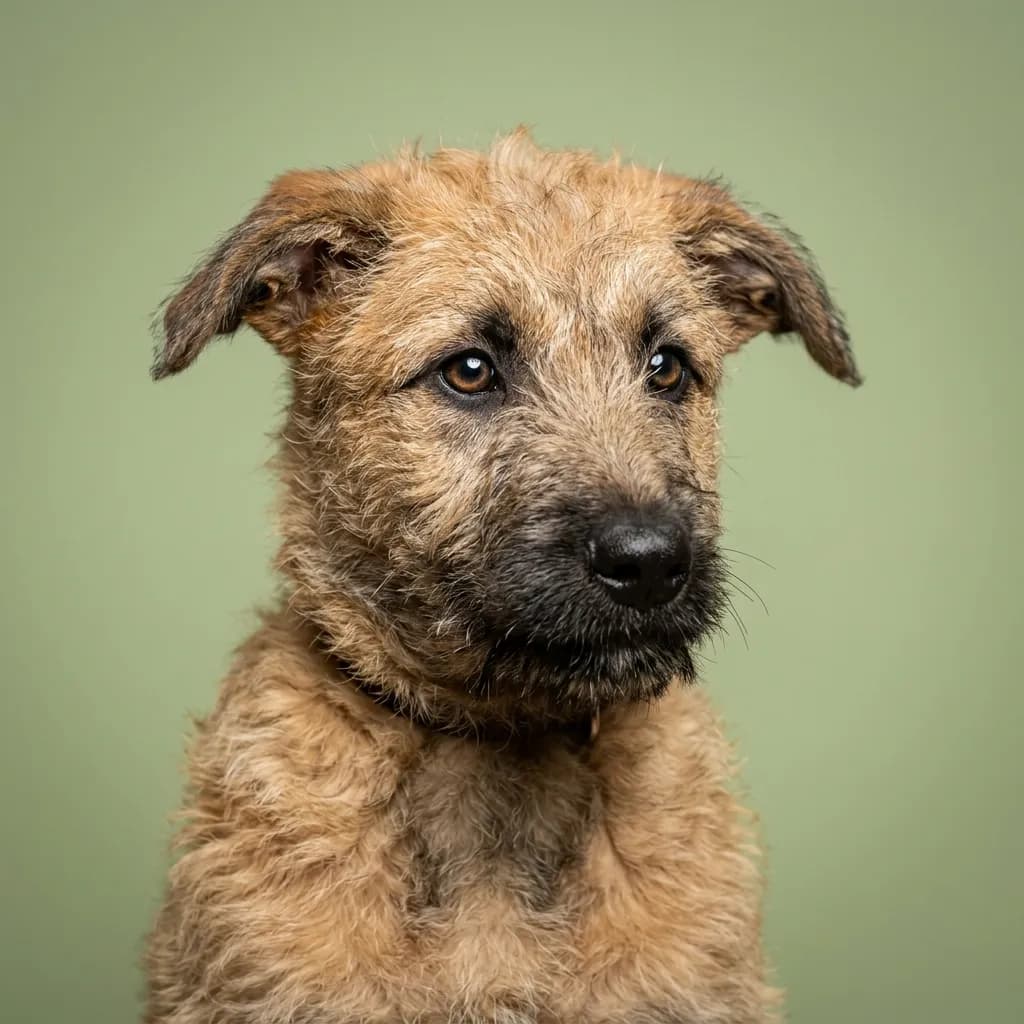
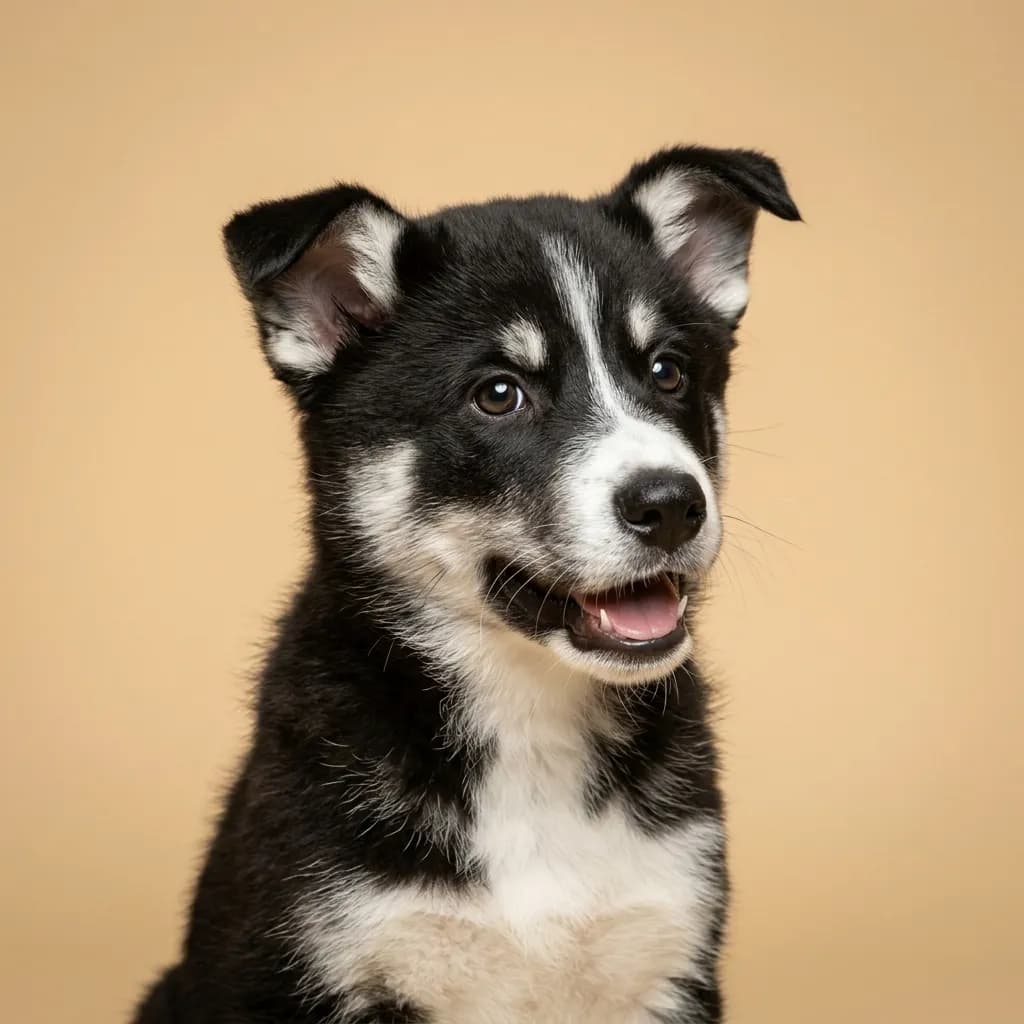
Not sure which breed fits your life?
Answer five questions about your home, your schedule, and your tolerance for shedding. We’ll match you to your top three breeds from over 200.
Belgian Laekenois vs Karelian Bear Dog
People compare Belgian Laekenois and Karelian Bear Dogs because both are rare, rugged working breeds with wiry coats and zero interest in being lap dogs. They show up side-by-side in online forums when someone wants a loyal, intelligent dog that can handle real work and harsh weather. But that’s where the similarity ends. The Laekenois is the thoughtful athlete. At 55 to 65 pounds, they’re built for motion. herding, agility, tracking. always tuned into their handler. They’re deeply affectionate with their people, thrive on mental challenges, and will work their brains into exhaustion if you let them. But they need structure. A first-time owner won’t stand a chance. Without consistent training and serious daily activity, this dog will invent its own job. usually involving your shoes or the neighbor’s cat. The Karelian Bear Dog is different. At under 50 pounds, they’re smaller but denser in attitude. Bred to face down bears and moose, they’re independent to a fault. You’re not their boss. you’re their partner, maybe. They’re loyal, yes, but not eager to please. And kids? Forget it. They’re not patient, they’re not tolerant, and they don’t adapt well to chaos. This dog belongs on a quiet farm in Minnesota, not a suburb in Florida. Choose the Laekenois if you want a driven, trainable partner in dog sports or service work. Choose the Karelian if you hunt large game or need a fearless guardian in remote country. Here’s the real talk: neither breed forgives poor training. But the Karelian won’t care if you try to fix it. The Laekenois will be crushed if you don’t.
Trait-by-trait
Higher bar = more of that trait. Shedding, barking, drooling, grooming flipped for readability.Where they diverge
Choose the Belgian Laekenois if…
- Experienced owners
- Active people
- Working roles
- You value good with young children — Belgian Laekenois scores noticeably higher.
Choose the Karelian Bear Dog if…
- Experienced dog owners
- Hunters of large game
- Cold climates
- You value coat grooming — Karelian Bear Dog scores higher here.