Karelian Bear Dog
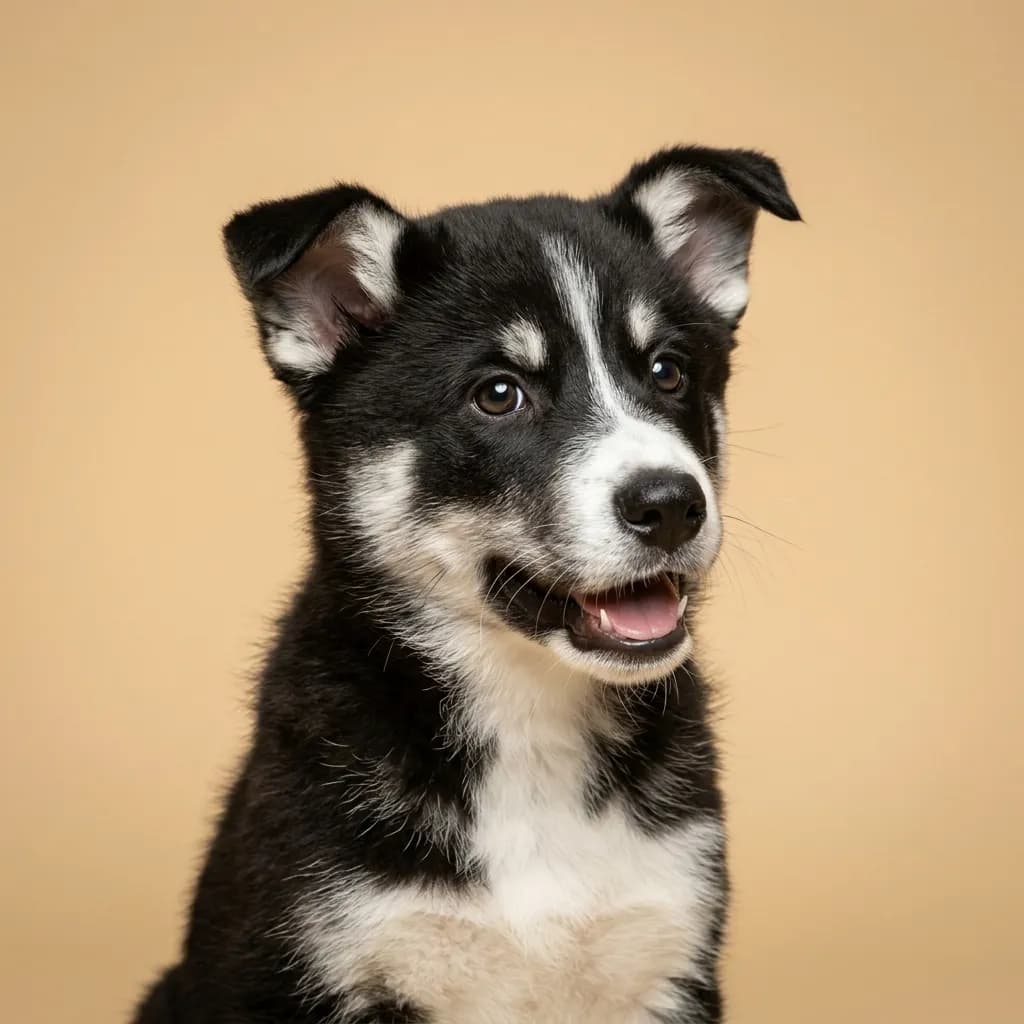
A Finnish hunting dog bred to hold bears at bay — courageous to the point of recklessness and intensely prey-driven. Karelians are typically dog-aggressive and demand an experienced handler who understands working-breed independence. In the right hands, they're reliable and devoted; in the wrong ones, they're an expensive liability.
Free weekly training plan, specific to your Karelian Bear Dog’s age. Exactly what to focus on this week.
Get your free training planLiving with a Karelian Bear Dog
The Karelian Bear Dog comes from Finland, where it was bred to hunt big game like bear and moose. These dogs don't take down the prey themselves. Instead, they track, bark, and corner dangerous animals until the hunter arrives.
That instinct is still very much alive in today’s Karelian, which means you’re getting a dog that's fearless, focused, and wired for work. They’re part of the AKC’s Foundation Stock Service, not fully recognized, so you won’t see them in the mainstream dog scene, but in the right home, they’re incredibly loyal and responsive. Day to day, they’re not the cuddly lapdog type.
They’re alert, independent thinkers who watch everything with intense focus. You’ll need to engage their brain daily or they’ll find their own entertainment, usually involving barking at squirrels or testing fences. They have moderate energy, about a 3 out of 5, but it's their mental drive that’s off the charts.
Puzzle toys, scent games, structured training, these aren’t luxuries, they’re survival tools for keeping a Karelian sane in suburbia. Grooming is manageable. They shed year-round with seasonal blowouts, so weekly brushing helps, but you’ll still find hair on the couch.
They’re not high maintenance, but they’re not low either. Health-wise, watch for hip and elbow dysplasia, eye issues, and hypothyroidism. Reputable breeders will screen for these, so don’t skip vet checks and ask for health clearances.
Lifespan is solid, 11 to 13 years, but that’s only with proper care. These dogs are not for first-time owners. They’re best for experienced handlers, hunters, working dog enthusiasts, or rural residents in cold climates who want a dedicated partner.
They don’t play well with other dogs, especially same-sex pairs, and they’re not reliable with kids under 12. They’re affectionate in their own reserved way, but not the kissy, clingy type. Here’s the real talk: most people who get a Karelian thinking they want a “tough” or “unique” dog end up overwhelmed.
The ones who succeed are the ones who give them a job. If you don’t have a purpose, whether it’s tracking, advanced obedience, or controlled hunting work, this dog will make life difficult. They cost $800 to $2500, but the real investment is time, training, and consistency.
Get one only if you’re ready to earn their respect every single day.
14 traits, at a glance.
Every breed on PuppyBase is rated across the 14 trait dimensions the American Kennel Club publishes — from trainability to drooling level. The higher the score, the better the fit for that trait.
What to expect day-to-day
Things to screen for
- Hip dysplasia
- Elbow dysplasia
- Eye Disease
- Hypothyroidism
See a full price breakdown — first-year costs, lifetime estimate, breeder vs. adoption.
Full price guideSimilar breeds
Browse all 200+
Common questions
How long do Karelian Bear Dogs live?
Karelian Bear Dogs typically live between 11 and 13 years, which is average for a dog of their size. Proper care, diet, and regular veterinary checkups can help them reach the upper end of that range.
How much does a Karelian Bear Dog puppy cost?
A Karelian Bear Dog puppy usually costs between $1,200 and $3,000, with an average price around $2,000. Prices vary based on breeder reputation, bloodline, and location.
How much do Karelian Bear Dogs shed?
Karelian Bear Dogs shed moderately year-round and require regular brushing, especially during seasonal shedding periods. Their short double coat sheds consistently but isn’t considered extreme.
What colors do Karelian Bear Dogs come in?
Karelian Bear Dogs come only in black and white. The coat pattern is typically sharply marked, with solid black patches and clean white areas.
How big do Karelian Bear Dogs get?
Karelian Bear Dogs stand between 19 and 23.5 inches tall at the shoulder and weigh 44 to 49 pounds. They’re medium-sized with a compact, muscular build.
Are Karelian Bear Dogs smart?
Yes, Karelian Bear Dogs are highly intelligent and excel at problem-solving, especially in hunting contexts. They need mental challenges to stay engaged and can learn quickly when properly motivated.
Are Karelian Bear Dogs hypoallergenic?
No, Karelian Bear Dogs are not hypoallergenic. They shed moderately and produce dander, making them unsuitable for most allergy sufferers.
Are Karelian Bear Dogs aggressive?
Karelian Bear Dogs are not aggressive toward people, but they are dog-aggressive and intensely prey-driven. Their boldness around large game means they can be combative with other animals if not managed.
What health problems are common in Karelian Bear Dogs?
Common health issues include hip and elbow dysplasia, eye diseases, and hypothyroidism. Responsible breeding and health screenings can reduce the risk of these conditions.
Do Karelian Bear Dogs bark a lot?
Yes, Karelian Bear Dogs bark moderately and use vocalizations during hunting to signal their location. They’re alert and will bark to alert their handler, but aren’t constant nuisance barkers.
Are Karelian Bear Dogs easy to train?
They are intelligent and trainable but require an experienced hand due to their independence and strong prey drive. Early, consistent training is essential to manage their assertive instincts.
Are Karelian Bear Dogs good family dogs?
They can be loyal to their family but are not ideal for most households. Their low compatibility with children and other pets makes them better suited to experienced owners in rural settings.
Are Karelian Bear Dogs good with cats?
No, Karelian Bear Dogs have a very high prey drive and will likely chase or attack cats and other small animals. They should not be trusted off-leash around non-canine pets.
Are Karelian Bear Dogs good hunting dogs?
Yes, they were specifically bred to hunt and hold large game like bear and moose. Their courage, stamina, and alertness make them exceptional working hunters in the right environment.
Are Karelian Bear Dogs good guard dogs?
They’re excellent watchdogs due to their alertness and strong protective instinct, but they’re not guard dogs in the traditional sense. They’ll alert to threats but aren’t trained to physically defend property.
Can Karelian Bear Dogs live in apartments?
No, Karelian Bear Dogs are poorly suited to apartment living. They need space, rural surroundings, and a job to do, and they won’t adapt well to confined urban environments.
Not sure which breed fits your life?
Answer five questions about your home, your schedule, and your tolerance for shedding. We’ll match you to your top three breeds from over 200.