Belgian Malinois vs Field Spaniel
Side-by-side comparison across all 14 AKC trait ratings, with a clear verdict on which breed fits which kind of household.
Not sure which breed fits your life?
Answer five questions about your home, your schedule, and your tolerance for shedding. We’ll match you to your top three breeds from over 200.
Belgian Malinois vs Field Spaniel
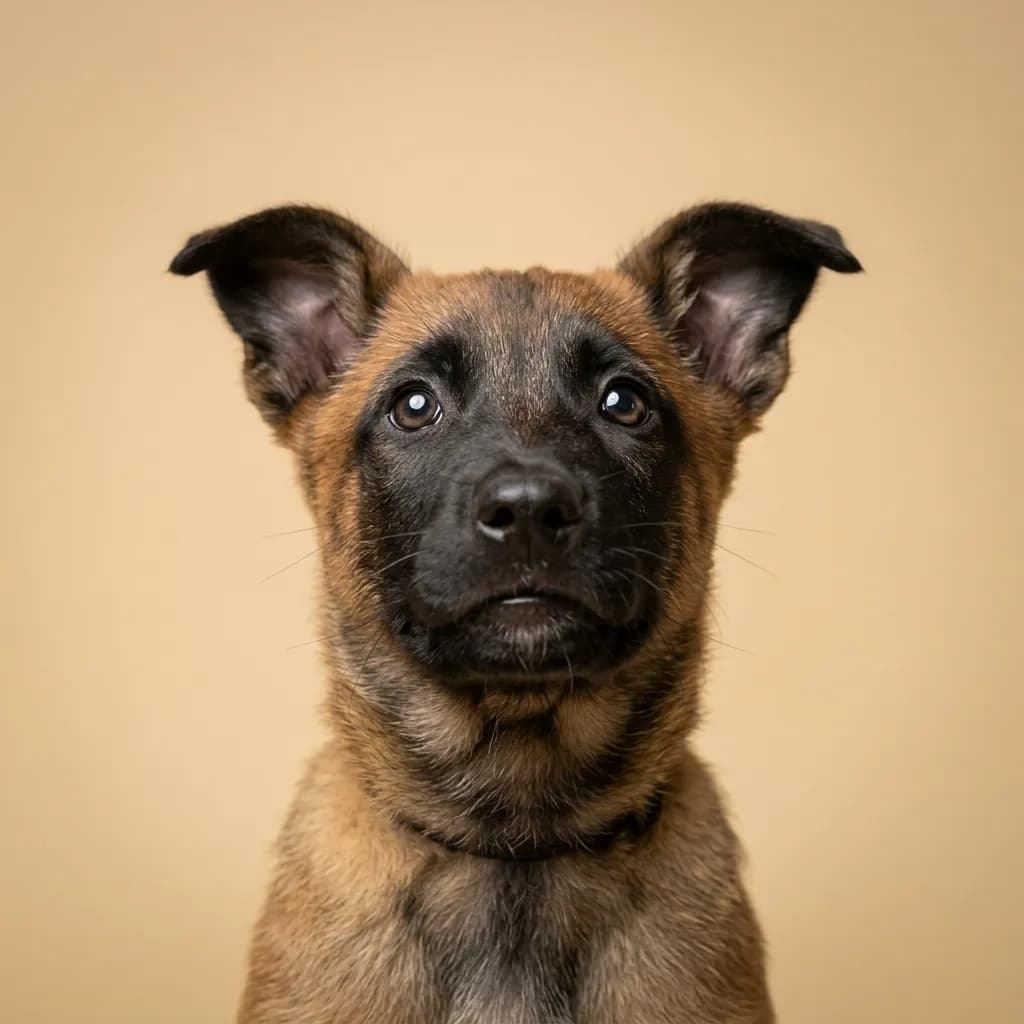
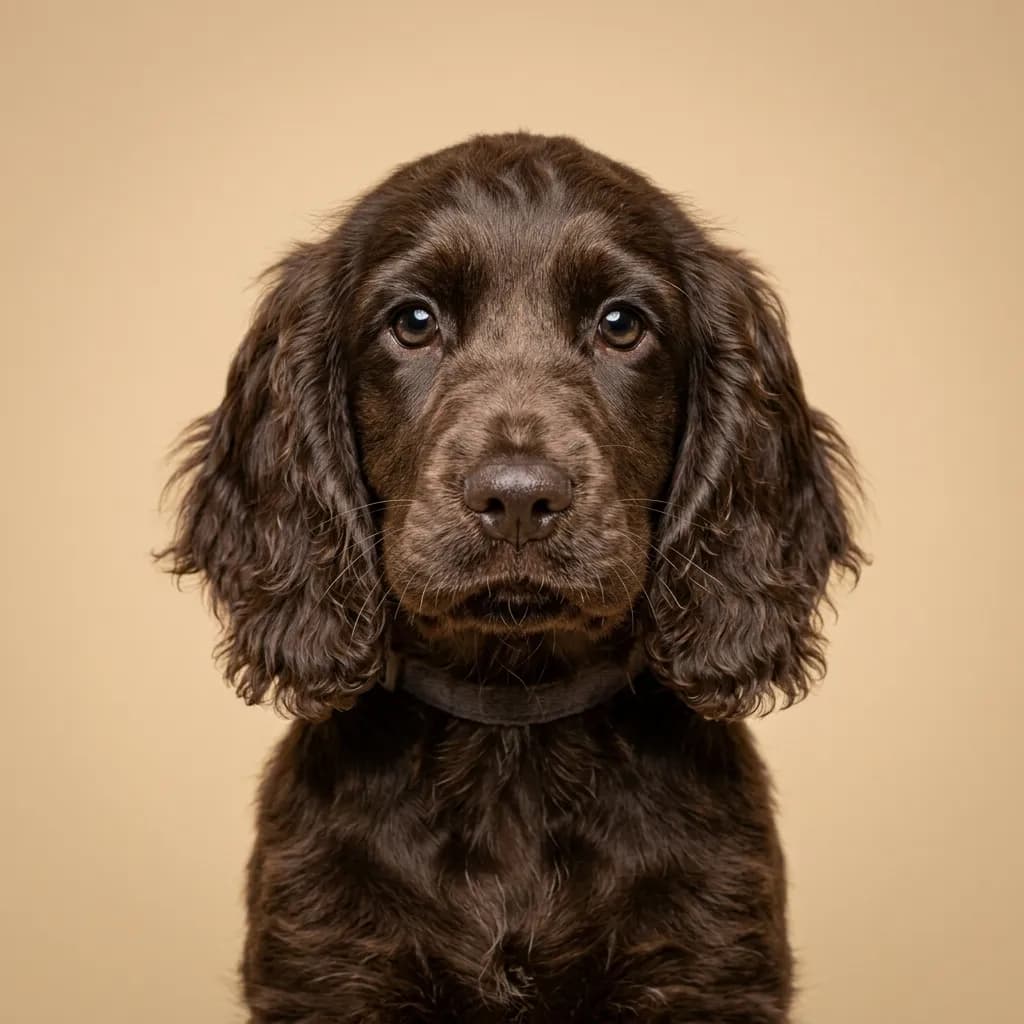
People rarely compare a Belgian Malinois and a Field Spaniel unless they’re deep in the weeds of dog research and trying to balance energy, family life, and outdoor access. On paper, both are medium-sized, trainable, and active. But in real life, they’re polar opposites in purpose and personality. The Malinois is a high-octane athlete built for mission. These dogs thrive on work. whether it’s police duty, agility trials, or 10-mile trail runs. They’re intensely focused, loyal to their person, and will outwork most owners by midday. You don’t just walk a Malinois, you train it. And if you’re not providing mental and physical challenges daily, expect destruction, barking, or anxiety. They’re not ideal for families with young kids, not because they’re aggressive, but because their intensity can be overwhelming. They need experienced hands. The Field Spaniel, on the other hand, is a quiet companion with a hunter’s instinct. They’ll flush birds in the field just as easily as they’ll curl up with a child on the couch. Gentle, affectionate, and deeply in tune with their owner’s mood, they adapt well to family rhythms. They need regular exercise and love a yard, but their energy is manageable. What they do need is grooming. long, silky coats demand brushing several times a week. Here’s the real difference beyond the stats: the Malinois lives to work, the Field Spaniel lives to bond. Choose the Malinois if you’re an active pro with time to train, compete, or work. Choose the Field Spaniel if you want a soft-hearted, trainable dog that fits into family life without taking it over. One is a full-time job, the other a full-time friend.
Trait-by-trait
Higher bar = more of that trait. Shedding, barking, drooling, grooming flipped for readability.Where they diverge
Choose the Belgian Malinois if…
- Experienced owners
- Active people
- Working roles (police/military)
- You value watchdog / protective — Belgian Malinois scores noticeably higher.
Choose the Field Spaniel if…
- Active families
- Hunters
- Homes with a yard
- You value affectionate w/ family — Field Spaniel scores higher here.