Belgian Malinois vs Lapponian Herder
Side-by-side comparison across all 14 AKC trait ratings, with a clear verdict on which breed fits which kind of household.
Not sure which breed fits your life?
Answer five questions about your home, your schedule, and your tolerance for shedding. We’ll match you to your top three breeds from over 200.
Belgian Malinois vs Lapponian Herder
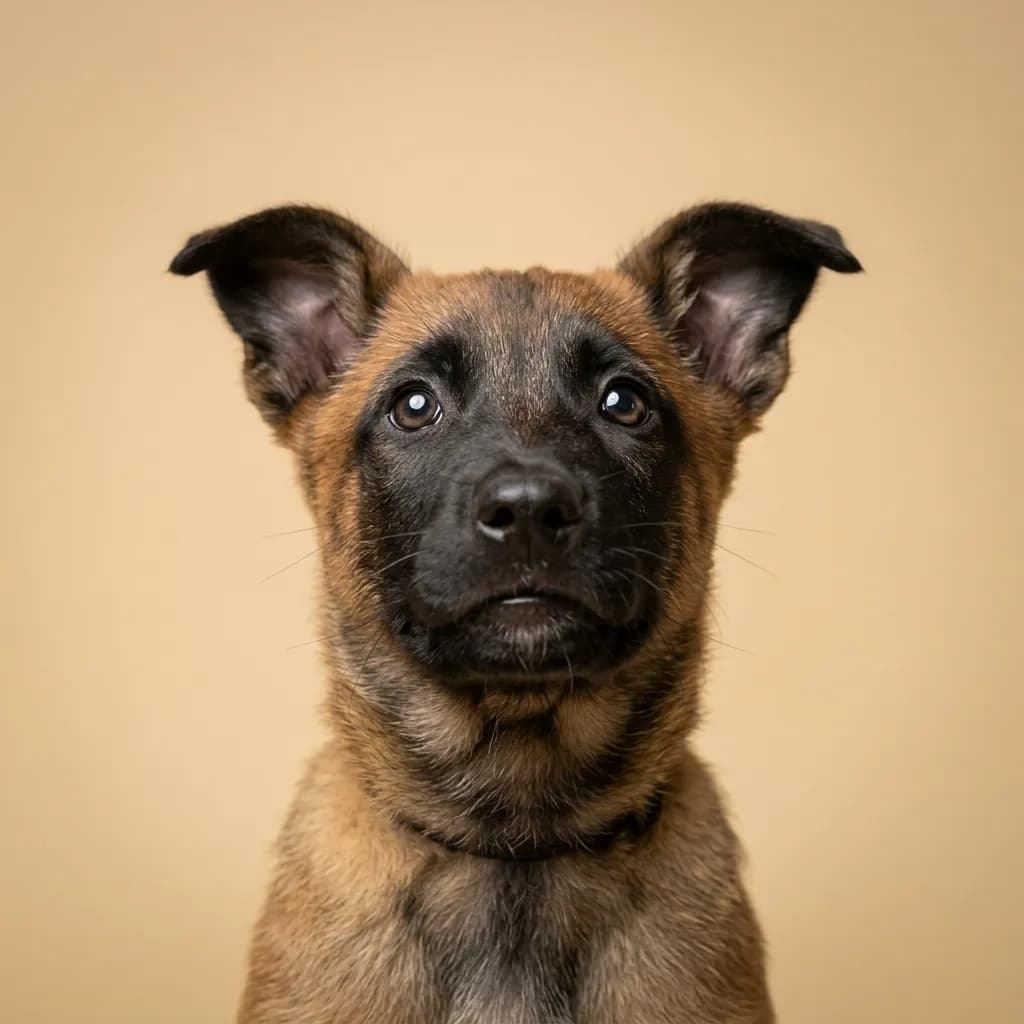
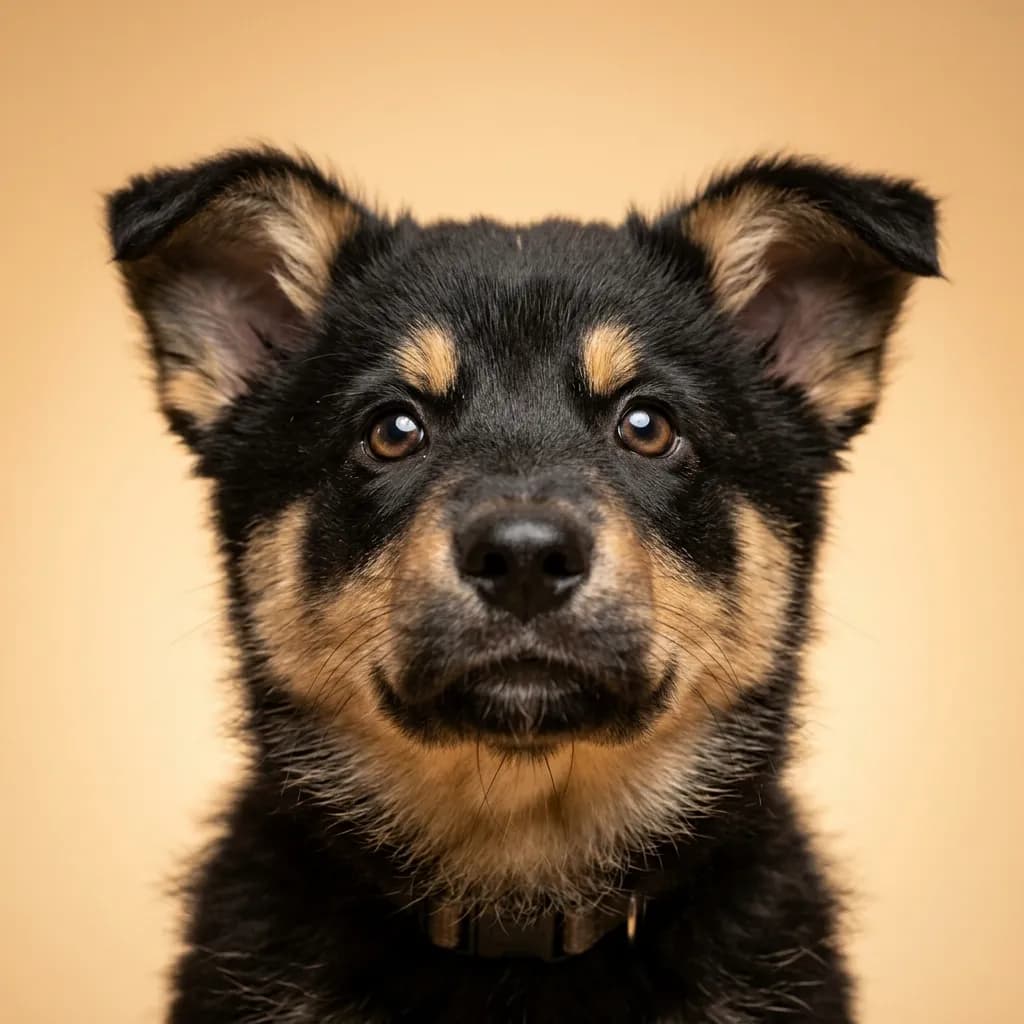
You’re probably comparing these two because they look vaguely similar at a glance. wolves in dog form, both built for work and weather, both with that intense focus and a coat that says “I belong in the wilderness.” But here’s the thing: they’re built for entirely different worlds, and choosing between them isn’t about preference, it’s about lifestyle. The Belgian Malinois isn’t just active, it’s driven. Think Navy SEAL with a fur coat. These dogs thrive on precision, control, and constant challenge. If you’re into dog sports, training for bite work, or working in law enforcement, the Malinois will match you move for move. But they’re not cuddly roommates. They’re intense, suspicious of strangers, and will chew through your couch. or your patience. if under-stimulated. They’re not for first-time owners, and they’ll wilt in a city apartment. The Lapponian Herder, by contrast, was shaped by the Arctic and the rhythm of reindeer herding with the Sami people. It’s still high-energy and smart, but with a softer, more adaptable spirit. It’s more likely to lean into your hand during a storm, more tolerant of family chaos, and better suited to someone who wants a working dog that’s also a willing companion on long winter hikes. It barks more. watchdog instinct is strong. and it won’t do well in heat, but it’s less obsessive than the Malinois. Here’s the real difference: a Malinois needs a job and a leader. A Lapponian Herder needs a team and a purpose. If you want a dog that mirrors your ambition, go Malinois. If you want a partner in a rugged, outdoor life, the Lapponian Herder might just become your quiet co-pilot.
Trait-by-trait
Higher bar = more of that trait. Shedding, barking, drooling, grooming flipped for readability.Where they diverge
Choose the Belgian Malinois if…
- Experienced owners
- Active people
- Working roles (police/military)
- You value trainability — Belgian Malinois scores noticeably higher.
Choose the Lapponian Herder if…
- active families
- cold climates
- herding and working dog enthusiasts
- You value affectionate w/ family — Lapponian Herder scores higher here.