Belgian Sheepdog vs Bluetick Coonhound
Side-by-side comparison across all 14 AKC trait ratings, with a clear verdict on which breed fits which kind of household.

Not sure which breed fits your life?
Answer five questions about your home, your schedule, and your tolerance for shedding. We’ll match you to your top three breeds from over 200.
Belgian Sheepdog vs Bluetick Coonhound
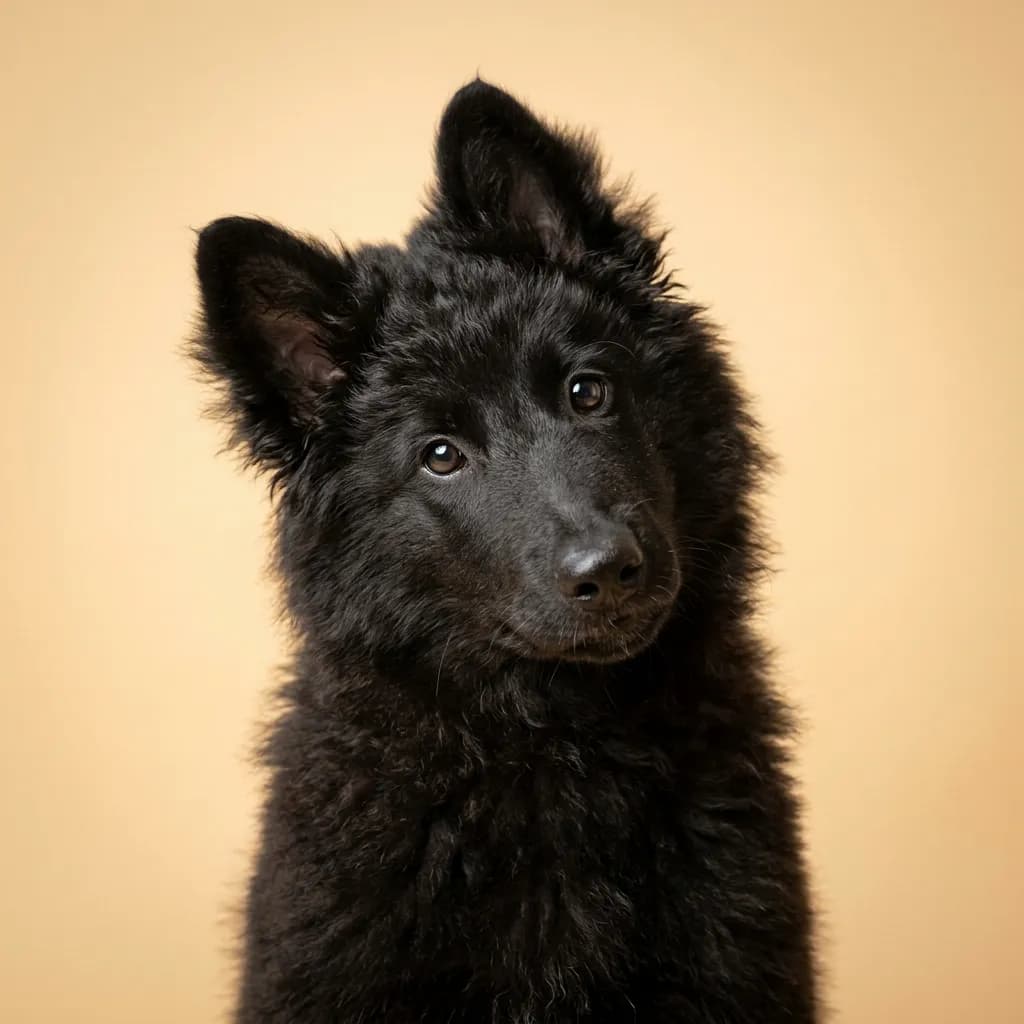
People toss these two breeds into the same bucket because they’re medium to large, active dogs with strong working drives and that rugged, no-nonsense look. But that’s where the similarity ends. If you’re choosing between a Belgian Sheepdog and a Bluetick Coonhound, you’re really choosing between focus and instinct. between a dog that wants to work with you and one that’s built to work despite you. The Belgian Sheepdog thrives on precision. Think agility, obedience, herding trials. This dog lives for eye contact, wants constant mental challenges, and will default to watching the perimeter if you don’t give it a job. It’s intensely loyal but not overly cuddly. You’ll need time, experience, and a plan to keep its mind busy. Without structure, it gets anxious and sharp. The Bluetick? It’s a tracker. Follows scent like it’s gravity. You call its name, but if a raccoon’s trail cuts through the backyard, good luck. It’s more independent, more vocal. those baying howls aren’t just loud, they’re built into its DNA. It loves kids and other dogs, does best in rural settings where it can roam, and needs early ear care to avoid chronic infections. Here’s the real kicker: people assume both are “smart and active,” so they’re interchangeable. But the Belgian needs a coach. The Bluetick needs a handler who accepts that sometimes, the dog’s nose is the boss. Choose the Belgian if you want a partner in training and competition. Pick the Bluetick if you’re a hunter or simply want a rugged, loyal companion who doesn’t mind a little chaos. And no, neither will do fine in a city apartment. Not even close.
Trait-by-trait
Higher bar = more of that trait. Shedding, barking, drooling, grooming flipped for readability.Where they diverge
Choose the Belgian Sheepdog if…
- Active people
- Experienced owners
- Dog sports enthusiasts
- You value watchdog / protective — Belgian Sheepdog scores noticeably higher.
Choose the Bluetick Coonhound if…
- Active people
- Hunters
- Rural homes
- You value good with other dogs — Bluetick Coonhound scores higher here.