Belgian Sheepdog vs Schapendoes
Side-by-side comparison across all 14 AKC trait ratings, with a clear verdict on which breed fits which kind of household.

Not sure which breed fits your life?
Answer five questions about your home, your schedule, and your tolerance for shedding. We’ll match you to your top three breeds from over 200.
Belgian Sheepdog vs Schapendoes
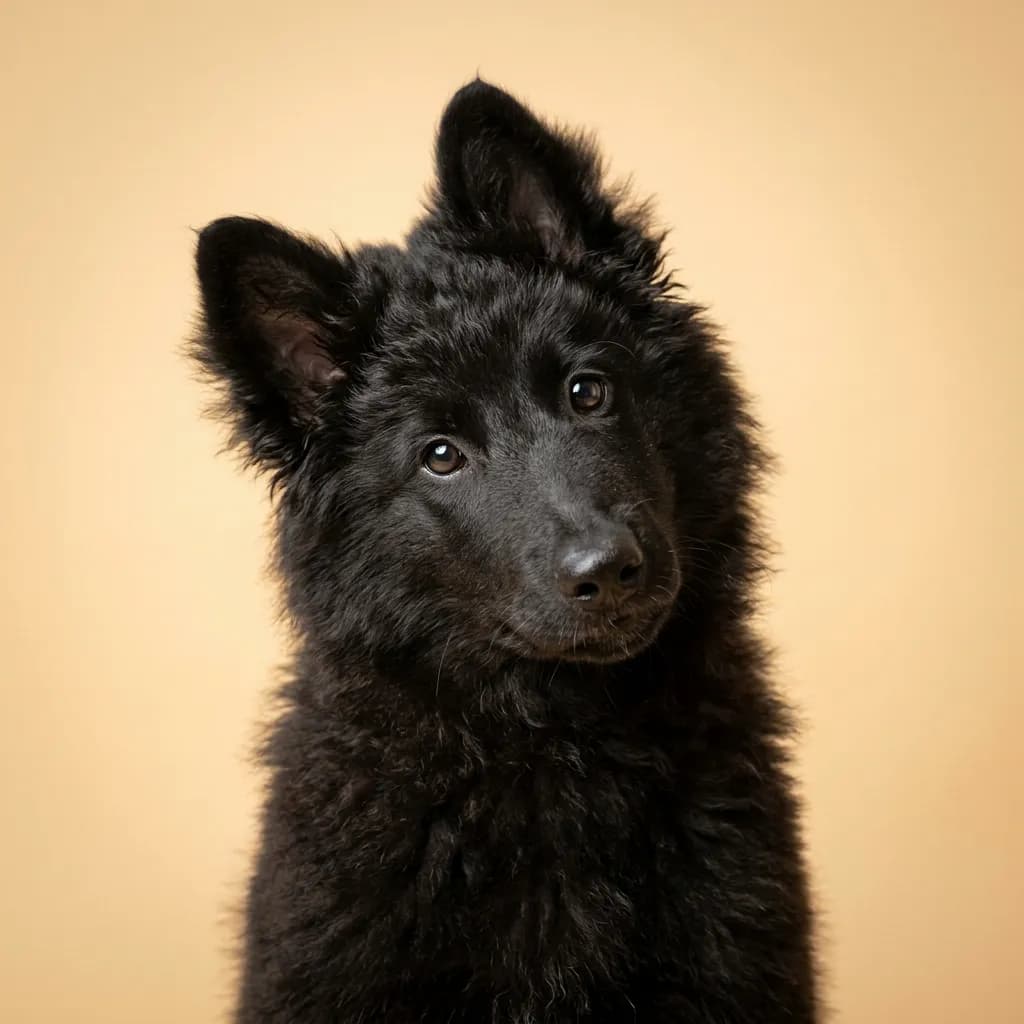
You’re probably comparing a Belgian Sheepdog and a Schapendoes because you want a smart, active herding dog that’s a little off the beaten path. Both are agile, trainable, and thrive on mental challenges. But the real difference comes down to presence. how much dog you want in your life, physically and emotionally. The Belgian Sheepdog is the serious athlete. At 22 to 26 inches and up to 75 pounds, they’re substantial, intense, and deeply focused. They’re the ones you see dominating IPO trials or working remote pastures. They bond tightly, but their affection is earned through work. If you’re training five days a week and have a job for them to do, they’ll shine. But if you’re looking for a casual couch buddy, you’ll be disappointed. They’re not for first-time owners, and their moderate shedding and need for space mean apartment living won’t cut it. The Schapendoes, on the other hand, is the playful poet with fur that looks like a windblown mullet. Smaller, lighter, and more adaptable, they bring the same brainpower but with a softer, more affectionate heart. They’re goofy with family, love kids, and adjust better to different lifestyles. as long as you’re still active. Their coat is high maintenance but sheds less, and they’re just as eager in agility or herding trials. Here’s the insight no breeder brochure tells you: the Belgian Sheepdog respects competence. The Schapendoes just wants to share your coffee. Both need jobs, but the Schapendoes will forgive a lazy Sunday. The Belgian won’t. Choose based on how much intensity your life can hold. One’s a partner in purpose. The other’s a joyful companion who happens to be brilliant.
Trait-by-trait
Higher bar = more of that trait. Shedding, barking, drooling, grooming flipped for readability.Where they diverge
Choose the Belgian Sheepdog if…
- Active people
- Experienced owners
- Dog sports enthusiasts
- You value shedding level — Belgian Sheepdog scores noticeably higher.
Choose the Schapendoes if…
- active families
- agility and herding sport enthusiasts
- experienced herding breed owners
- You value affectionate w/ family — Schapendoes scores higher here.