Belgian Tervuren vs Chow Chow
Side-by-side comparison across all 14 AKC trait ratings, with a clear verdict on which breed fits which kind of household.

Not sure which breed fits your life?
Answer five questions about your home, your schedule, and your tolerance for shedding. We’ll match you to your top three breeds from over 200.
Belgian Tervuren vs Chow Chow
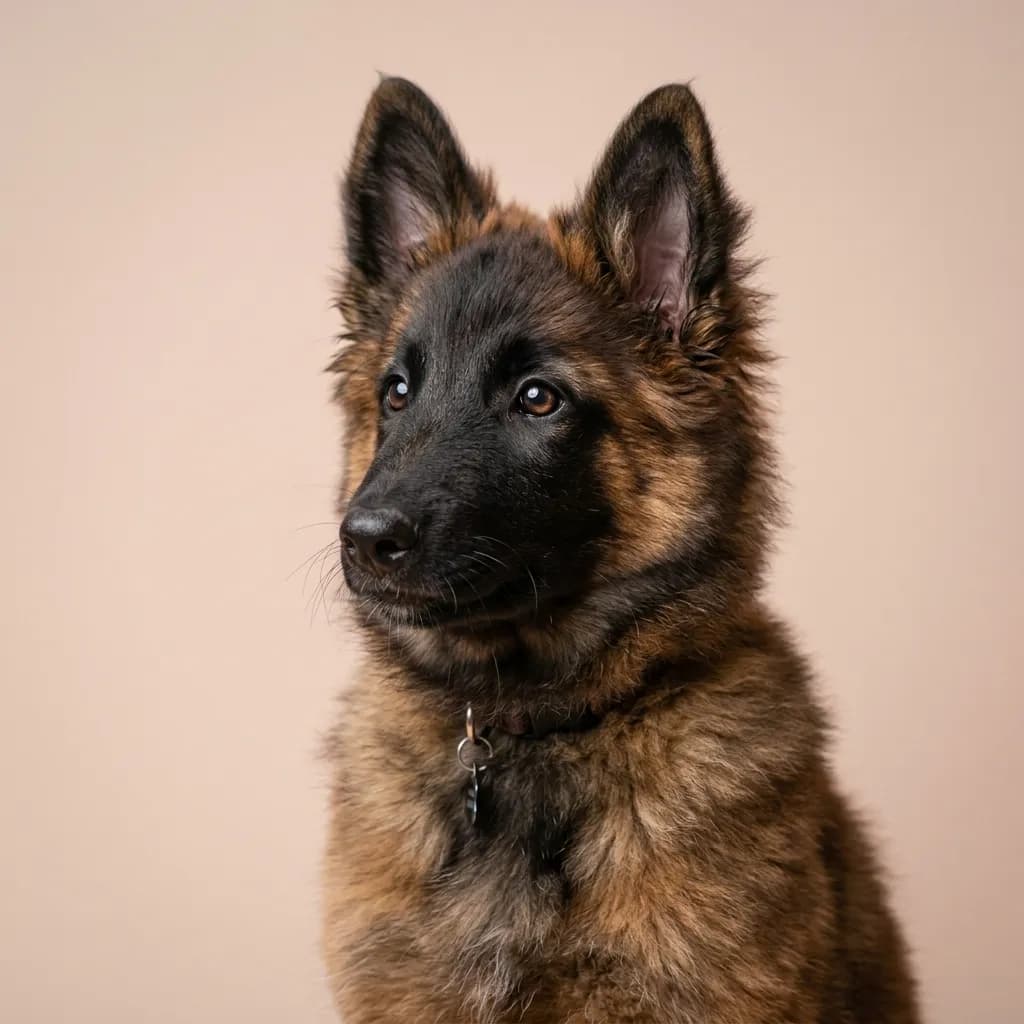
People compare Belgian Tervurens and Chow Chows because they’re both medium to large dogs with thick double coats and strong guarding instincts. On paper, they might seem like two sides of the same coin. loyal, alert, and serious-minded. But in reality, they’re about as alike as a race car and a stone fortress. The Tervuren is all motion. Bred to work flocks all day in open fields, this dog lives to move. You’ll need daily runs, training sessions, and a solid background in dog behavior. They’re brilliant and responsive, ranking near the top in trainability, but that intelligence means they’ll find their own entertainment if bored. usually involving your shoes or the neighbor’s cat. They bond deeply with active owners who compete in agility or herding trials. But if you’re couch-bound or new to dogs, this isn’t the breed for you. The Chow, in contrast, moves like it’s been granted permission to stir. Independent and reserved, they’re not looking to please. they’re looking to judge. Affectionate in their own aloof way, they form tight bonds but on their terms. They’re quiet dogs, rarely barking, and their blue-black tongues and lion-like ruff make them a striking presence. But their stubborn streak and early socialization needs make them a challenge for novices. One thing the data won’t tell you? The Chow’s calm exterior hides a dog that can be profoundly intolerant of chaos. especially around kids. The Tervuren, for all its energy, is more adaptable to family life if properly exercised. Pick the Tervuren if you want a partner in motion. Pick the Chow if you want a noble, low-noise sentinel who tolerates your presence with grace. Just don’t pick either without experience.
Trait-by-trait
Higher bar = more of that trait. Shedding, barking, drooling, grooming flipped for readability.Where they diverge
Choose the Belgian Tervuren if…
- Active people
- Experienced owners
- Dog sports enthusiasts
- You value trainability — Belgian Tervuren scores noticeably higher.
Choose the Chow Chow if…
- Experienced dog owners
- Less active households
- Adults-only homes
- You value drooling level — Chow Chow scores higher here.