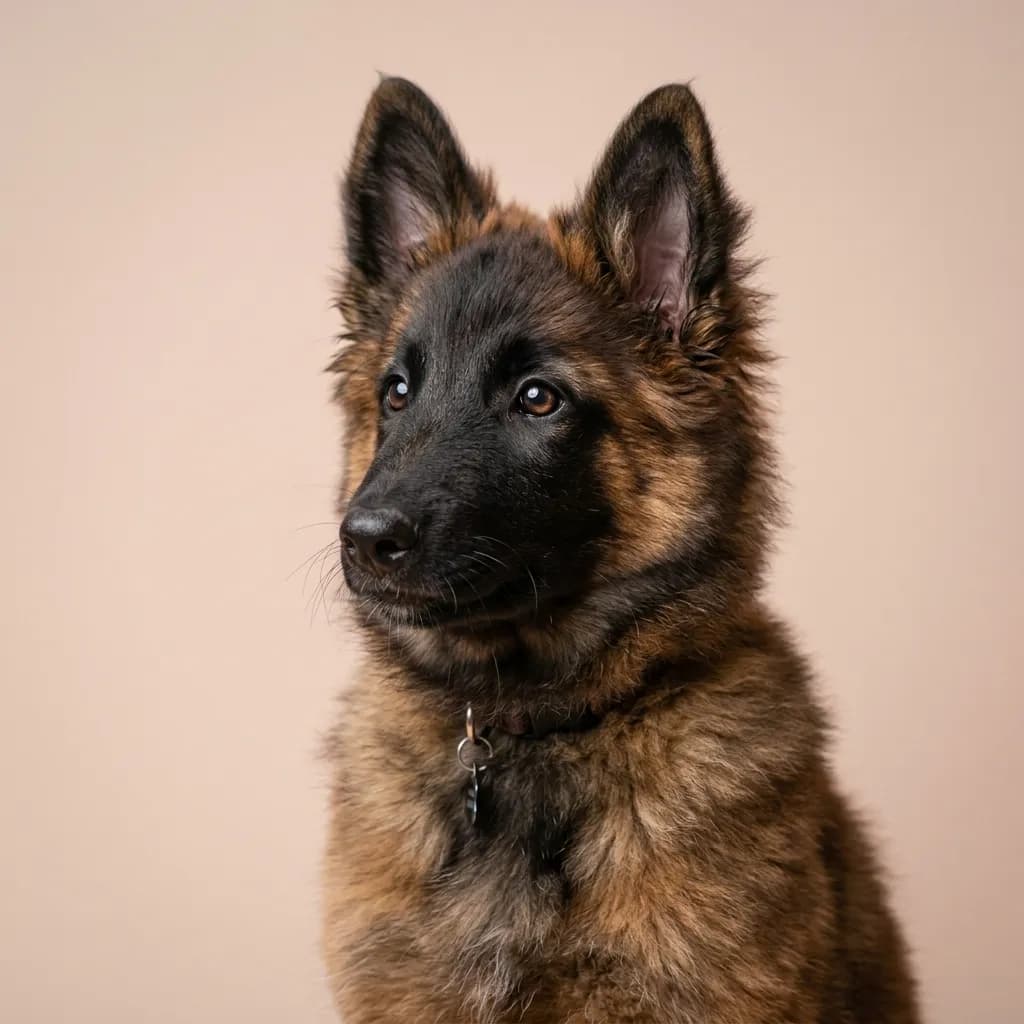
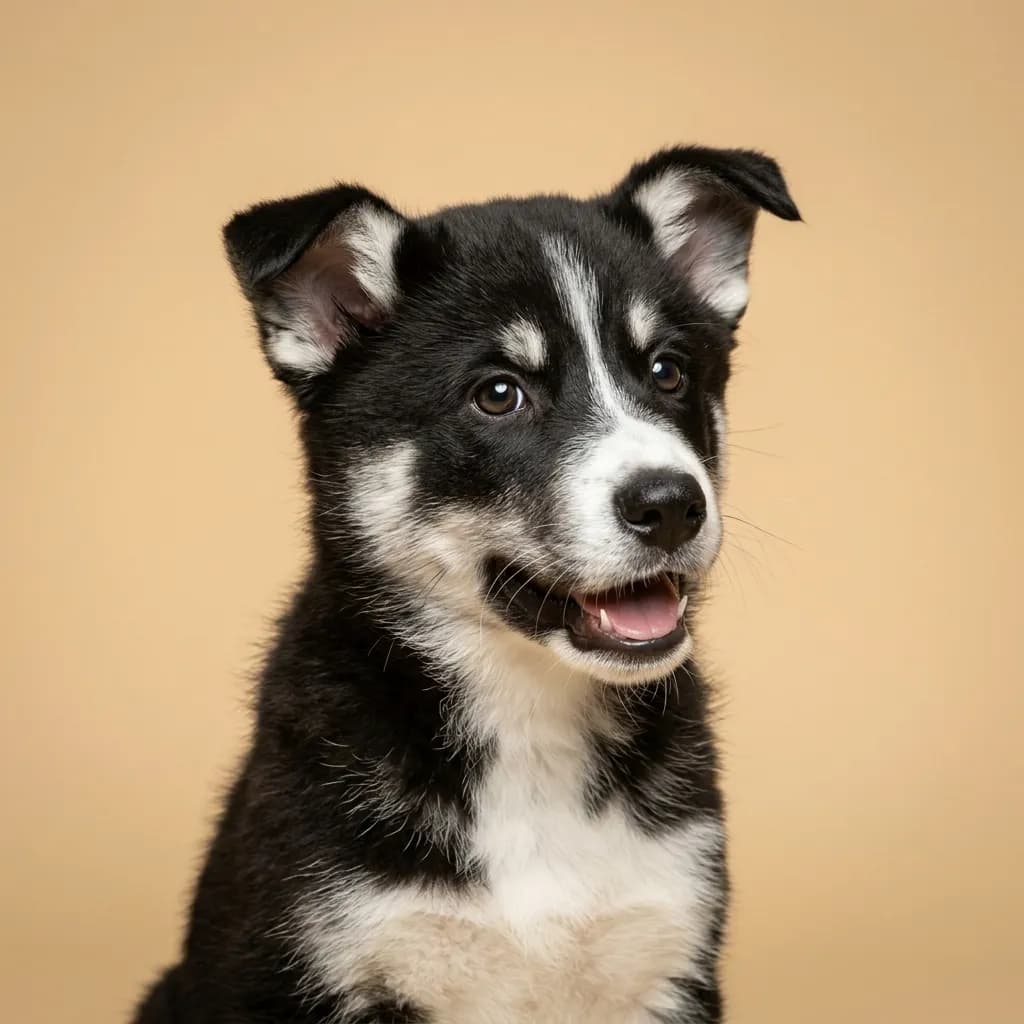
Belgian Tervuren vs Karelian Bear Dog
Side-by-side comparison across all 14 AKC trait ratings, with a clear verdict on which breed fits which kind of household.
Not sure which breed fits your life?
Answer five questions about your home, your schedule, and your tolerance for shedding. We’ll match you to your top three breeds from over 200.
Belgian Tervuren vs Karelian Bear Dog
People compare Belgian Tervurens and Karelian Bear Dogs because both are rare, bold, and built for serious work in harsh conditions. They look vaguely similar. wiry, medium-sized, alert. but that’s where the family resemblance ends. Choosing between them isn’t about preference for black and tan coats; it’s about deciding what kind of intensity you can handle. The Tervuren is a precision instrument. Bred to herd sheep all day and guard them all night, it craves structure, training, and mental puzzles. If you compete in agility, do search and rescue, or just want a dog that learns a new trick in five minutes, this is your breed. It bonds deeply with its family and will work tirelessly to please. but it needs space to move and a job to do. No, it won’t nap on the couch while you binge TV. The Karelian Bear Dog? That’s another level. This dog was literally bred to face down bears, bark relentlessly, and hold dangerous game at bay until the hunter arrives. It’s fearless to a fault. Independent. Wired for confrontation. It won’t back down from a moose, and it won’t warm up easily to your visiting niece. It’s not stubborn. it just thinks for itself, constantly. You don’t train a Karelian so much as negotiate with it. Here’s the real talk: the Tervuren is intense but manageable with experience. The Karelian is intense and uncompromising. Unless you live in a remote area, hunt large game, and understand canine independence, the Karelian will exhaust you. The Tervuren will exhaust you too. but in a way you can channel. Pick the Tervuren if you want a brilliant partner. Pick the Karelian only if you need a warrior.
Trait-by-trait
Higher bar = more of that trait. Shedding, barking, drooling, grooming flipped for readability.Where they diverge
Choose the Belgian Tervuren if…
- Active people
- Experienced owners
- Dog sports enthusiasts
- You value good with young children — Belgian Tervuren scores noticeably higher.
Choose the Karelian Bear Dog if…
- Experienced dog owners
- Hunters of large game
- Cold climates
- You value coat grooming — Karelian Bear Dog scores higher here.