Belgian Tervuren vs Kishu Ken
Side-by-side comparison across all 14 AKC trait ratings, with a clear verdict on which breed fits which kind of household.
Not sure which breed fits your life?
Answer five questions about your home, your schedule, and your tolerance for shedding. We’ll match you to your top three breeds from over 200.
Belgian Tervuren vs Kishu Ken
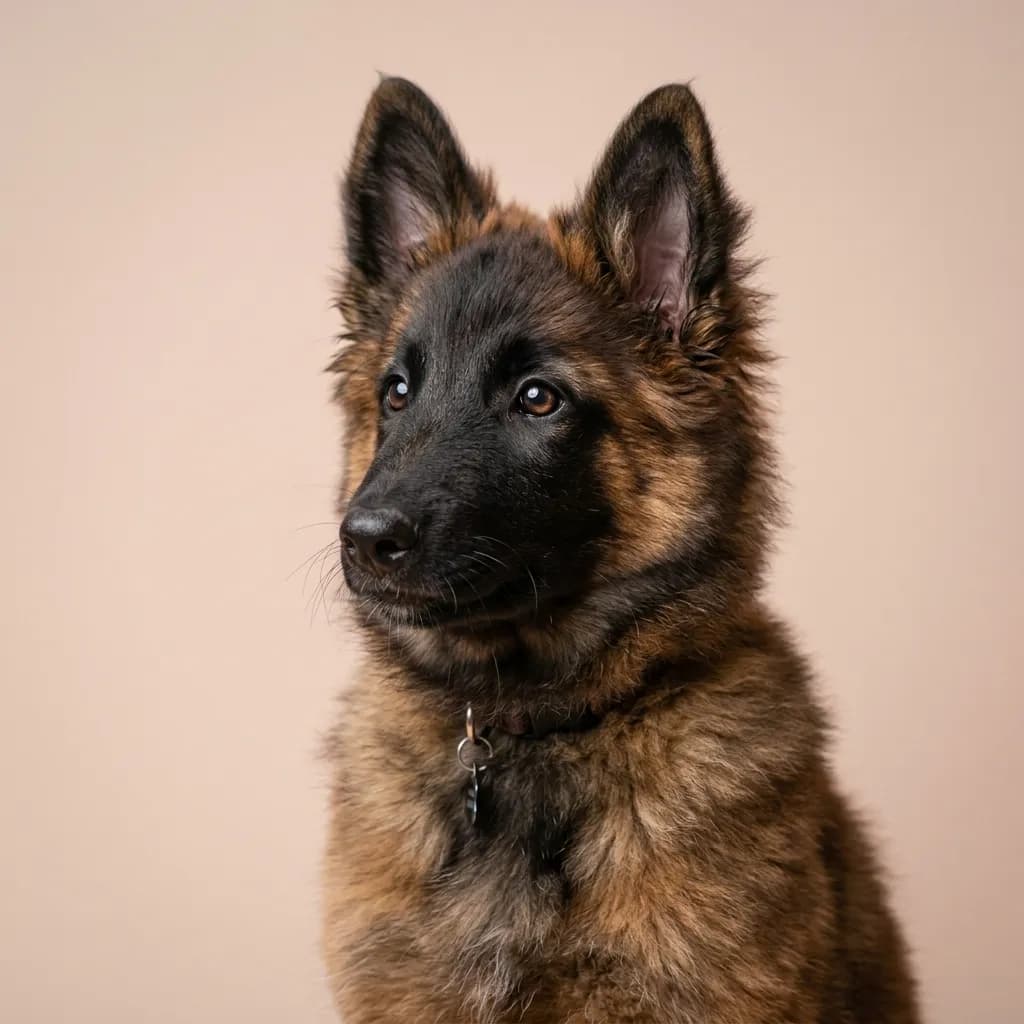
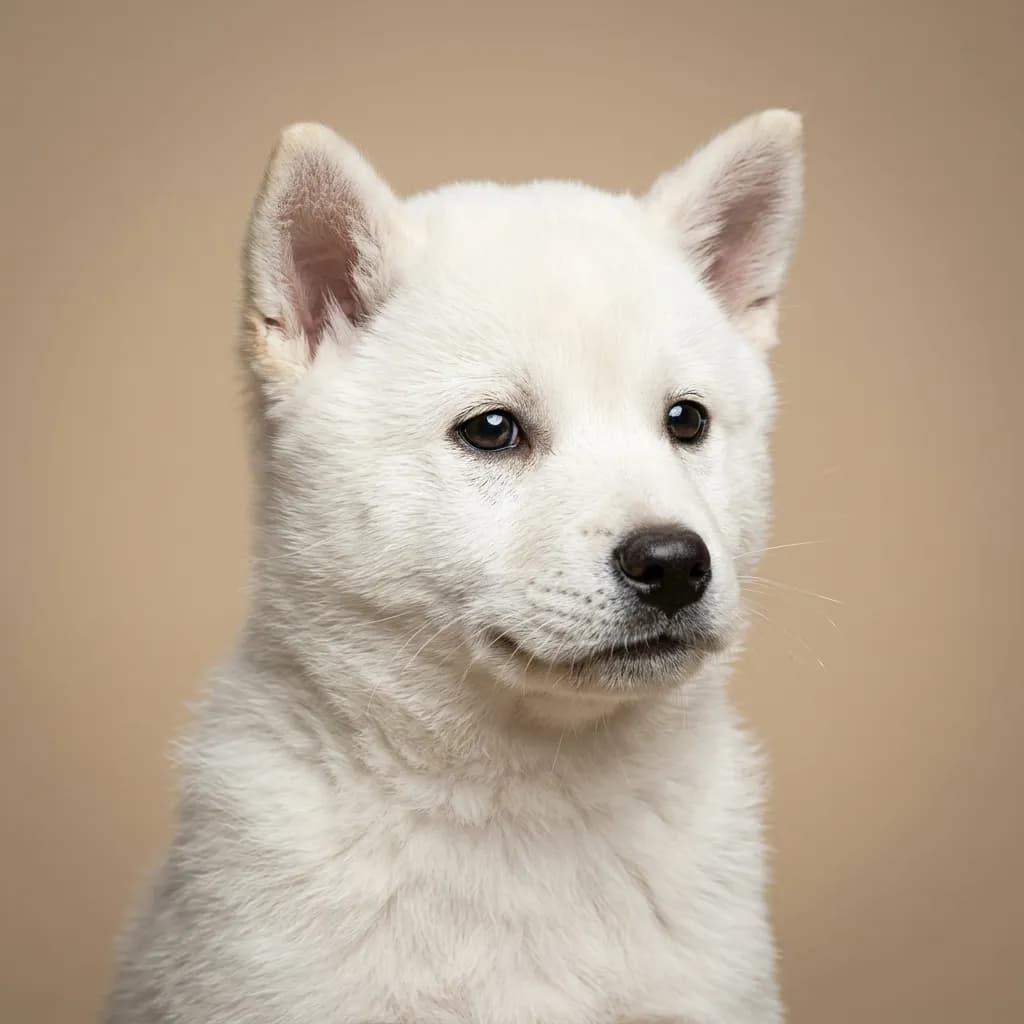
People don’t usually pit the Belgian Tervuren against the Kishu Ken, but if you’re deep into dog forums or drawn to rare, striking breeds with double coats and intense focus, you might find yourself comparing them. Both are alert, independent in their own ways, and demand experienced handling. But that’s where the similarities end. The Tervuren is the athlete. the dog that thrives on a packed schedule. You’ll need agility equipment, hike plans, or advanced training goals ready, because this dog lives for challenge. They bond closely with their people but aren’t overly cuddly. Think of them as the dedicated partner who loves you deeply but also needs a full-time job. They’re more adaptable than the Kishu, but “adaptable” here still means “won’t survive in a studio apartment with a remote worker who never leaves the couch.” The Kishu Ken, by contrast, is a quiet sentinel. Bred to hunt in mountainous terrain, they’re more reserved, less eager to please, and famously quiet. rarely barking even when alert. They’re loyal to their family but can be aloof or suspicious with strangers. And here’s the real talk: they have strong prey drive. If you have a cat or a rabbit, the Kishu will see it as a personal challenge. They’re not trying to be difficult; it’s just in their wiring. Choose the Tervuren if you want a dog that’s eager to work with you in sports or service. Pick the Kishu if you’re looking for a stoic, low-noise companion in a rural setting and understand that “trainability” means “we’ll negotiate, on my terms.” The unspoken truth? Both need handlers who can read canine body language fluently. These aren’t dogs that beg for direction. They watch, assess, and act. You don’t own them. You earn their cooperation.
Trait-by-trait
Higher bar = more of that trait. Shedding, barking, drooling, grooming flipped for readability.Where they diverge
Choose the Belgian Tervuren if…
- Active people
- Experienced owners
- Dog sports enthusiasts
- You value trainability — Belgian Tervuren scores noticeably higher.
Choose the Kishu Ken if…
- Experienced dog owners
- Active owners
- Cold climates
- You value good with strangers — Kishu Ken scores higher here.