Belgian Tervuren vs Schipperke
Side-by-side comparison across all 14 AKC trait ratings, with a clear verdict on which breed fits which kind of household.
Not sure which breed fits your life?
Answer five questions about your home, your schedule, and your tolerance for shedding. We’ll match you to your top three breeds from over 200.
Belgian Tervuren vs Schipperke
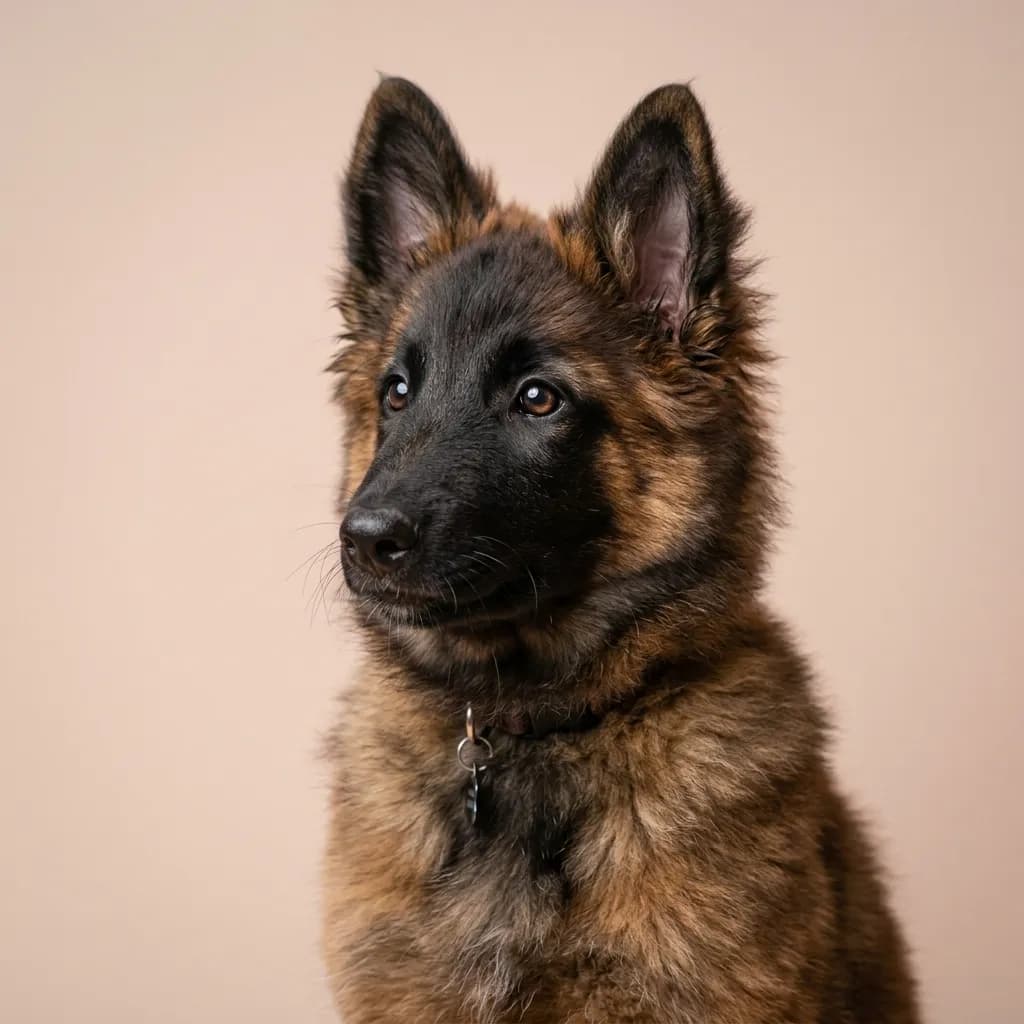
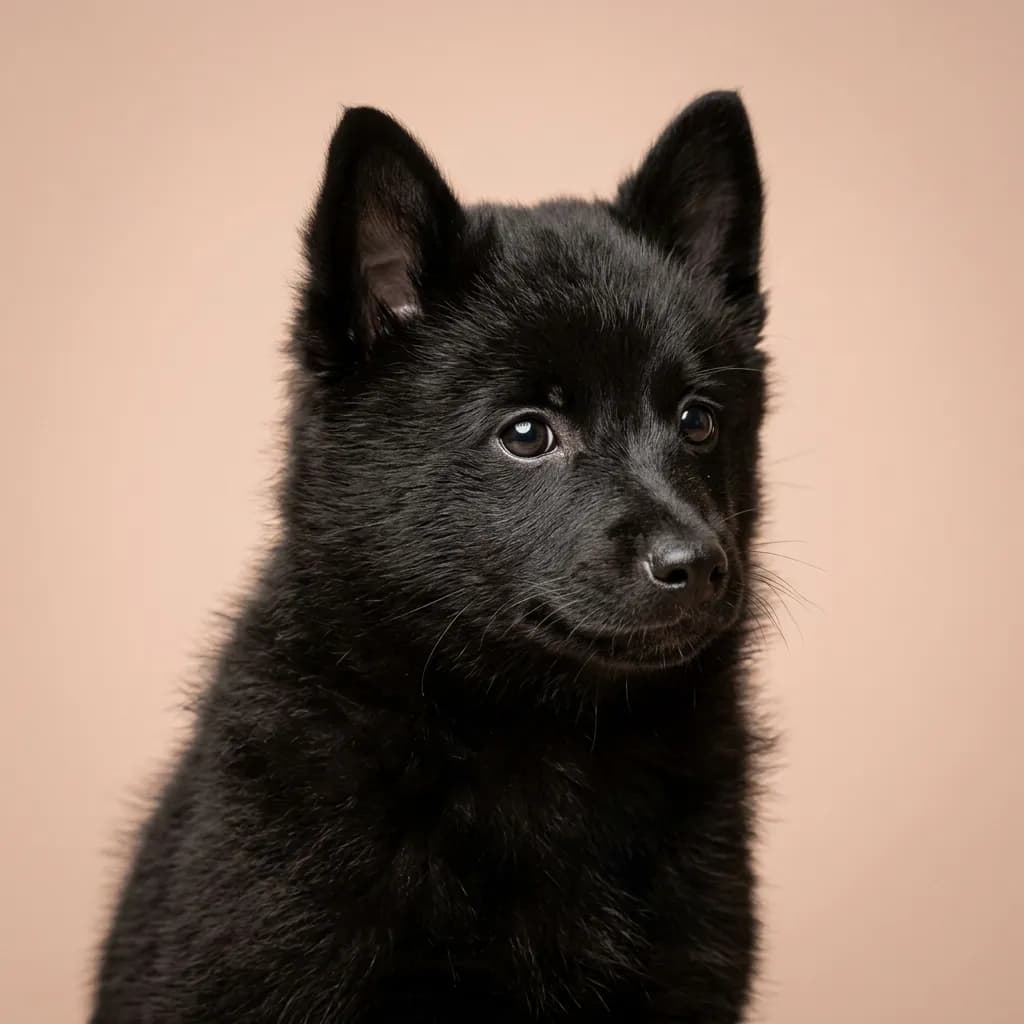
People compare the Belgian Tervuren and Schipperke because they’re both Belgian, both striking in appearance, and both pack a surprising amount of presence for their size. though that’s where the similarities end. One is a lean, agile athlete built for open fields; the other is a compact, mischievous watchdog with a cape-like ruff and a Napoleon complex. If you’re the kind of person who hikes 10 miles before breakfast and still needs a dog to keep up, the Tervuren is your match. This is a dog that thrives on movement and mental challenges. dog sports like agility or herding trials aren’t extras, they’re survival tools. Without them, you’ll get a stressed dog and chewed baseboards. They’re deeply loyal but not overly cuddly, more partner than lapdog. Good with older kids who respect boundaries, but not ideal for first-time owners or anyone living in a small apartment. The Schipperke, in contrast, fits better in a house with a yard and a family that wants a small dog with a big-dog attitude. They’re fearless, affectionate, and attach closely to their people. But don’t be fooled by their size. they’ll bark at squirrels like it’s their job, and they’ve got a strong prey drive. They adapt better to different living situations, but you’ll need to stay on top of training early, or their stubborn streak takes root. Here’s the real talk: the Tervuren needs a job or it will invent one. likely involving your shoes. The Schipperke doesn’t need as much physical energy, but it will out-stubborn you if you’re not consistent. Pick the Tervuren if you want a canine teammate. Pick the Schipperke if you want a bold, devoted little guardian who thinks he’s ten times his size.
Trait-by-trait
Higher bar = more of that trait. Shedding, barking, drooling, grooming flipped for readability.Where they diverge
Choose the Belgian Tervuren if…
- Active people
- Experienced owners
- Dog sports enthusiasts
- You value trainability — Belgian Tervuren scores noticeably higher.
Choose the Schipperke if…
- Active owners
- Those wanting a small but bold breed
- Suburban or rural settings
- You value affectionate w/ family — Schipperke scores higher here.