Schipperke
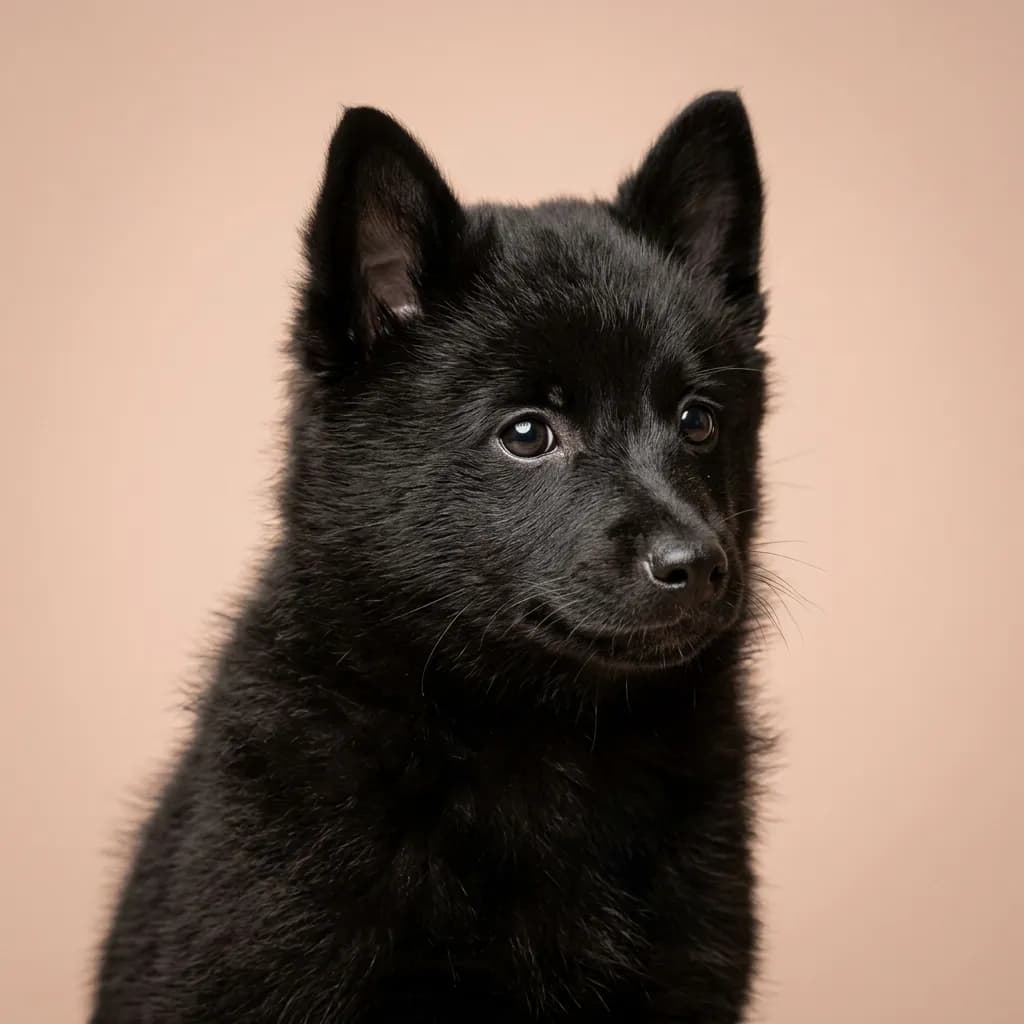
Belgian barge dogs with an attitude that far exceeds their ten-pound frame — curious, alert, and convinced there's mischief somewhere that needs investigating. They were bred to guard canal boats and exterminate rats, so they're always watching, always busy, and always suspicious of anything unfamiliar. A great fit for active owners who want a small dog with a big-dog confidence; less ideal if you want quiet.
Free weekly training plan, specific to your Schipperke’s age. Exactly what to focus on this week.
Get your free training planLiving with a Schipperke
The Schipperke is a tiny Belgian firecracker that thinks it’s a lion. Originally bred to guard canal boats and hunt rats in 17th-century Flanders, this little black devil with the foxy face and plume of a tail was built for independence and vigilance. Don’t let the 10 to 16 pounds fool you, this is not a lap dog that’ll sit still.
He’s alert, inquisitive, and always on the job, even if the job is barking at a falling leaf. Living with a Schipperke means embracing a personality that’s equal parts affectionate and obstinate. He’ll follow you from room to room like a furry shadow, craving closeness, but don’t expect blind obedience.
These dogs are smart, ranked high for trainability, but they’ll negotiate. You’ll need consistency and positive reinforcement, not force. They’re vocal, scoring a 4 out of 5 on barking, so if you’re in a tight apartment or hate noise, this isn’t your breed.
Energy-wise, they’re not off-the-charts, but they’re not couch potatoes either. A daily walk plus some play or puzzle toys will keep them balanced. Mental stimulation is important, but they don’t need hours of intense exercise like a Border Collie.
Still, sedentary owners will be out of luck. Schipperkes thrive with active people who’ll engage them. Grooming is moderate.
Their double coat sheds year-round with seasonal blowouts, so weekly brushing is a must, more during shedding season. That lush ruff around the neck? It traps dirt and crumbs.
Be prepared to vacuum more than you’d like. Health-wise, they’re generally solid for 12 to 14 years, but watch for progressive retinal atrophy, MPS IIIB, and hypothyroidism. Reputable breeders will screen for these, so don’t skip health clearances.
Hip dysplasia can occur, though it’s less common at this size. They’re great with older kids who know how to respect a small dog, but not ideal around toddlers or tiny pets, those vermin-hunting instincts don’t vanish. Here’s the real talk: Schipperkes aren’t just small dogs.
They’re intense. The one thing most people miss is how deeply loyal and emotionally tuned they are. They bond fiercely to one or two people and can develop serious opinions about strangers.
If you want a tiny dog that’s just for show or snuggling, get a Cavalier. But if you want a bold, bright little guardian with a conscience and a bark that punches way above its weight, the Schipperke will steal your heart, and then guard it relentlessly.
14 traits, at a glance.
Every breed on PuppyBase is rated across the 14 trait dimensions the American Kennel Club publishes — from trainability to drooling level. The higher the score, the better the fit for that trait.
What to expect day-to-day
Things to screen for
- Hip dysplasia
- Hypothyroidism
- Legg-Calvé-Perthes disease
- MPS IIIB (mucopolysaccharidosis type IIIB)
- Progressive retinal atrophy
See a full price breakdown — first-year costs, lifetime estimate, breeder vs. adoption.
Full price guideSimilar breeds
Browse all 200+


Common questions
How long do Schipperkes live?
Schipperkes typically live between 12 and 14 years, making them a relatively long-lived breed with proper care.
How much does a Schipperke puppy cost?
A Schipperke puppy usually costs between $1,200 and $3,000, with an average price around $2,000 depending on breeder and lineage.
How much do Schipperkes shed?
Schipperkes shed moderately year-round and have a double coat that requires regular brushing, especially during seasonal changes.
What colors do Schipperkes come in?
Schipperkes are almost always solid black, with no other colors recognized in the breed standard.
How big do Schipperkes get?
Schipperkes are small dogs, standing 10 to 13 inches tall and weighing between 10 and 16 pounds.
Are Schipperkes smart?
Yes, Schipperkes are highly intelligent and quick learners, especially when motivated, making them well-suited for obedience and dog sports.
Are Schipperkes hypoallergenic?
No, Schipperkes are not hypoallergenic; they have a double coat that sheds and can trigger allergies in sensitive individuals.
Are Schipperkes aggressive?
Schipperkes are not typically aggressive, but they are bold, alert, and naturally suspicious of strangers, which can come across as feisty or defensive if not properly socialized.
What health problems are common in Schipperkes?
Common health issues include MPS IIIB, progressive retinal atrophy, hip dysplasia, Legg-Calvé-Perthes disease, and hypothyroidism, so genetic screening is important.
Do Schipperkes bark a lot?
Yes, Schipperkes are known to bark frequently; they are alert watchdogs and will vocalize to signal anything unusual.
Are Schipperkes easy to train?
Yes, Schipperkes are highly trainable due to their intelligence and eagerness to engage, though they respond best to consistent, positive methods.
Are Schipperkes good family dogs?
They can be good family dogs for homes with older children, but their high alertness and tendency to bark may not suit families wanting a calm or quiet pet.
Are Schipperkes good with cats?
Schipperkes have a strong prey drive and may not do well with cats or small pets unless raised together and carefully supervised.
Are Schipperkes good guard dogs?
Yes, Schipperkes make excellent little guard dogs; they are extremely alert, naturally suspicious of strangers, and quick to sound the alarm.
Can Schipperkes live in apartments?
Yes, Schipperkes can adapt to apartment living if given enough mental stimulation and daily exercise, though their barking may be a concern in close quarters.
Are Schipperkes good first dogs?
Schipperkes can be challenging for first-time owners due to their bold personality, high alertness, and need for consistent training and socialization.
Not sure which breed fits your life?
Answer five questions about your home, your schedule, and your tolerance for shedding. We’ll match you to your top three breeds from over 200.