Bernese Mountain Dog vs Greyhound
Side-by-side comparison across all 14 AKC trait ratings, with a clear verdict on which breed fits which kind of household.
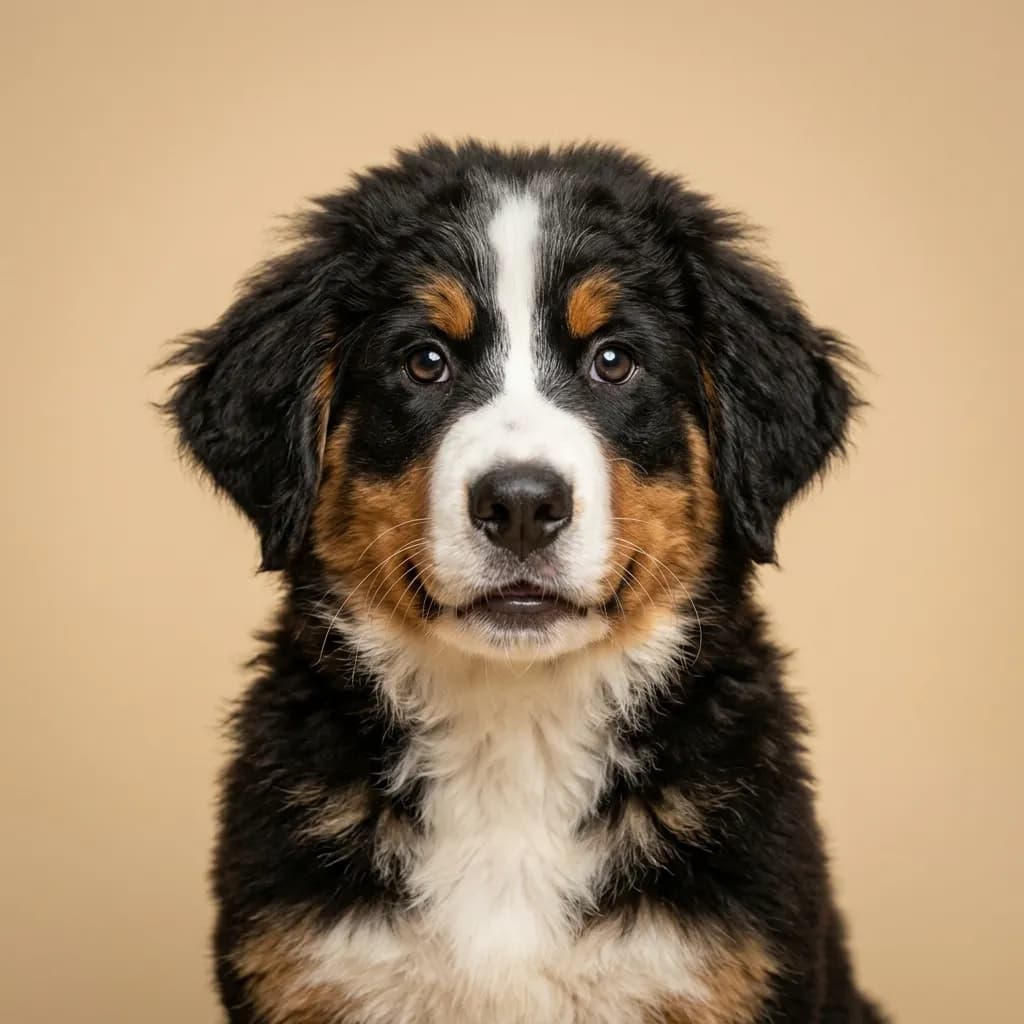
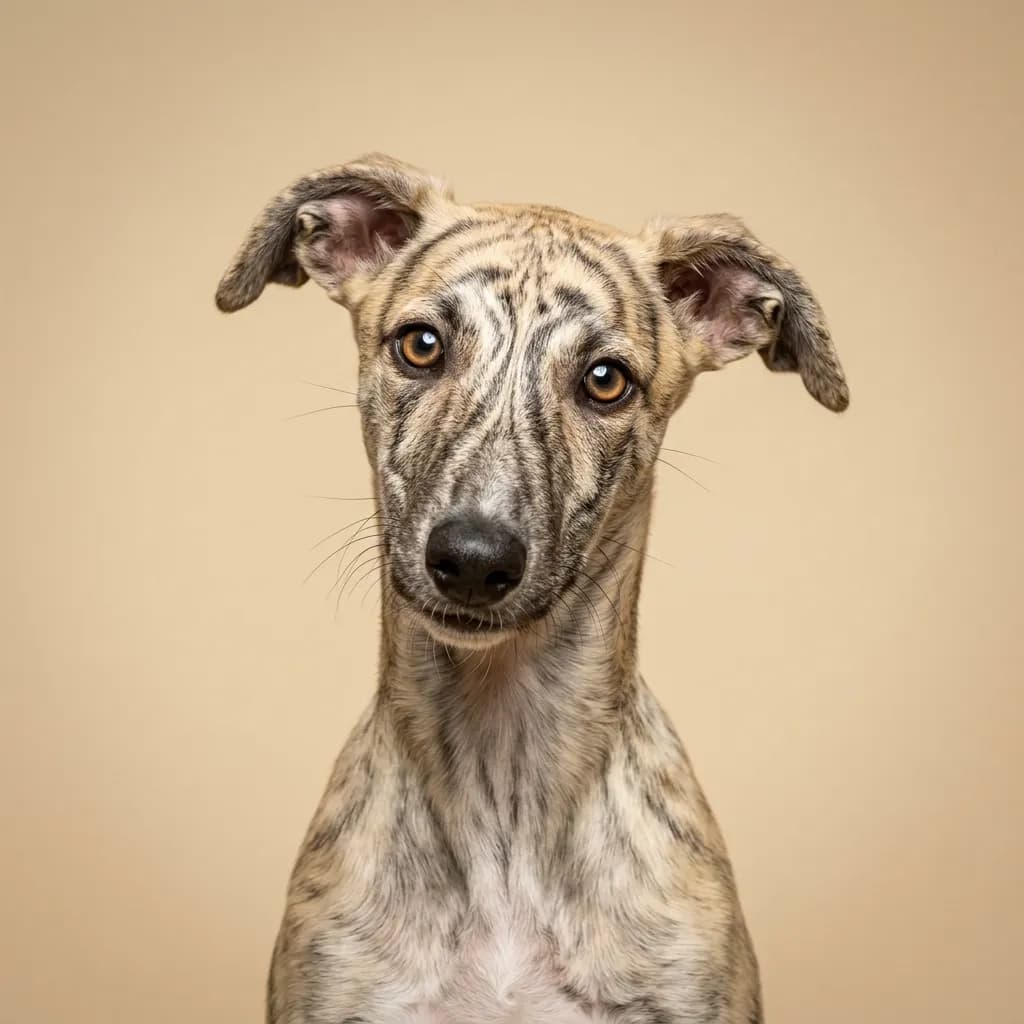
Not sure which breed fits your life?
Answer five questions about your home, your schedule, and your tolerance for shedding. We’ll match you to your top three breeds from over 200.
Bernese Mountain Dog vs Greyhound
People compare Bernese Mountain Dogs and Greyhounds because they’re both big, striking dogs with short coats and a dignified presence. But that’s where the similarities end. Think of it like choosing between a cozy Swiss cabin and a sleek sports car. One’s built for rugged, steady work in the snow, the other for explosive speed on open ground. The Berner is a family anchor. They’re deeply affectionate, calm in the home, and great with kids, but they come with a heavy responsibility. At 115 pounds, they’re prone to hip issues and cancer, and their 7-10 year lifespan hurts. You’ll spend more on vet bills and brushing fur off your furniture. it sheds constantly. They thrive in cold climates and need space, but they’re not hyper. You’ll love their steady, cheerful presence if you’re outdoorsy and home often. Greyhounds, surprisingly, are apartment-friendly. They don’t need hours of exercise. two 20-minute walks and a sprint now and then is enough. Indoors, they’re couch potatoes. But they’re not always kid-friendly; their prey drive can kick in around small, fast-moving creatures (including toddlers). They’re more independent, harder to train, and many ex-racers need time to adjust to home life. But they’re easy to groom, live longer, and are often available for adoption at a fraction of breeder prices. Here’s the real insight: the Berner gives you deep, immediate connection but asks for everything in return. time, money, emotional resilience. The Greyhound offers quiet loyalty with less demand, but you have to earn their trust on their terms. Pick the Berner if you want a devoted family pillar. Pick the Greyhound if you appreciate quiet grace and second chances.
Trait-by-trait
Higher bar = more of that trait. Shedding, barking, drooling, grooming flipped for readability.Where they diverge
Choose the Bernese Mountain Dog if…
- Families
- Active people
- Cold climates
- You value shedding level — Bernese Mountain Dog scores noticeably higher.
Choose the Greyhound if…
- Apartment dwellers (surprisingly calm indoors)
- Adoption-minded owners (many ex-racers)
- Low-maintenance coat owners