Bernese Mountain Dog
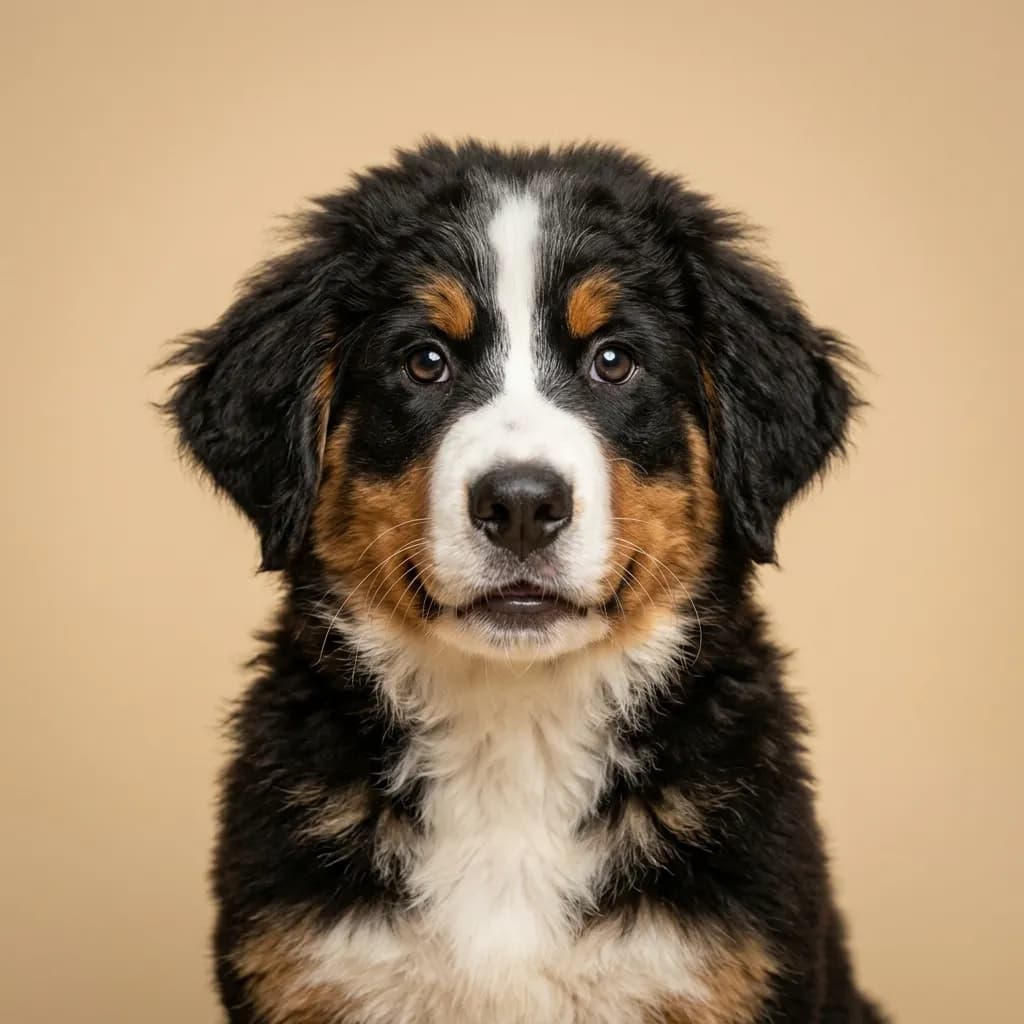
A gentle giant that makes every house feel like a Swiss farmstead. Berners are calm, affectionate, and great with kids, but the short lifespan — often just 7-9 years — is a genuine heartbreak that prospective owners need to go in knowing. Sheds heavily year-round and hates summer heat.
Free weekly training plan, specific to your Bernese Mountain Dog’s age. Exactly what to focus on this week.
Get your free training planLiving with a Bernese Mountain Dog
The Bernese Mountain Dog comes from the Swiss Alps, where they pulled carts, herded cattle, and kept farmers company in mountain barns. They’re part of the Working Group for good reason, they’re strong, willing, and built to do a day’s labor. But today, most Berners are gentle giants leaning on your couch after a solid walk.
They’re calm indoors, which makes them seem low-energy, but don’t be fooled. They need real movement, daily 45- to 60-minute walks, plus space to stretch their legs. Without it, they get stiff, sore, and a little grumpy.
You’ll love their temperament. They’re deeply affectionate, great with kids, and typically even-tempered with other pets. They’re not hyperactive barkers, but they’ll alert you when the mail arrives.
Trainability is solid; they want to please, though they can be a bit stubborn when they decide it’s nap time. Mental stimulation isn’t their strongest suit, they don’t need puzzle toys for hours, but they do best with consistent, positive training early on. Now, the grooming.
It’s a lot. The long, tri-colored coat sheds year-round and turns into a snowstorm twice a year during heavy blowouts. You’ll need a high-quality deshedder brush and a commitment to brushing twice a week minimum.
Skip it, and you’ll find clumps of fur in your coffee mug. Health is the hard part. Their lifespan is short.
7 to 10 years, and they’re prone to hip and elbow dysplasia, bloat, and cancer, especially histiocytic sarcoma. You need a vet you trust, pet insurance you can afford, and the stomach to handle big-breed health issues. The purchase price, anywhere from $1500 to $4500, should include health-tested parents, because cutting corners here can cost you tenfold later.
Berners thrive in cold climates, suburban homes with yards, and families that move regularly. They’re not for hot apartments or anyone on a tight vet budget. And here’s the thing most people miss: a Bernese isn’t just a pretty face.
They bond intensely. They don’t do well left alone for hours. If you want a dog that’s truly part of the family, always nearby, always leaning into your leg, this is your breed.
If you can’t handle losing a beloved companion too soon, look elsewhere. They’re worth it, but they’ll break your heart, eventually.
14 traits, at a glance.
Every breed on PuppyBase is rated across the 14 trait dimensions the American Kennel Club publishes — from trainability to drooling level. The higher the score, the better the fit for that trait.
What to expect day-to-day
Things to screen for
- Bloat (GDV)
- Cancer (histiocytic sarcoma)
- Hip dysplasia
- Elbow dysplasia
- Progressive retinal atrophy
See a full price breakdown — first-year costs, lifetime estimate, breeder vs. adoption.
Full price guideSimilar breeds
Browse all 200+
Common questions
How long do Bernese Mountain Dogs live?
Bernese Mountain Dogs typically live 7 to 10 years, which is shorter than most breeds their size. This limited lifespan is a significant factor to consider before bringing one into your home.
How much does a Bernese Mountain Dog puppy cost?
A Bernese Mountain Dog puppy usually costs between $2,000 and $5,000, with an average price around $3,500. Reputable breeders who screen for health issues often charge more.
How much do Bernese Mountain Dogs shed?
Bernese Mountain Dogs shed very heavily year-round due to their thick double coat. You’ll need to brush them regularly, especially during seasonal shedding peaks in spring and fall.
What colors do Bernese Mountain Dogs come in?
Bernese Mountain Dogs come only in tricolor: black, white, and rust markings in a specific pattern. Any deviation from this coloring is not standard for the breed.
How big do Bernese Mountain Dogs get?
Bernese Mountain Dogs are large dogs, with males reaching 25 to 27.5 inches tall and 80 to 115 pounds. Females are slightly smaller, standing 23 to 26 inches and weighing 70 to 95 pounds.
Are Bernese Mountain Dogs smart?
Yes, Bernese Mountain Dogs are intelligent and were bred for complex farm tasks in the Swiss Alps. They learn quickly, especially when training is consistent and positive.
Are Bernese Mountain Dogs hypoallergenic?
No, Bernese Mountain Dogs are not hypoallergenic. They shed heavily and produce dander, which can trigger allergies in sensitive individuals.
Are Bernese Mountain Dogs aggressive?
No, Bernese Mountain Dogs are not aggressive. They are known for being calm, good-natured, and friendly with people and other dogs when properly socialized.
What health problems are common in Bernese Mountain Dogs?
Common health issues include hip and elbow dysplasia, bloat, cancer—especially histiocytic sarcoma—and progressive retinal atrophy. Responsible breeding and regular vet care are essential.
Do Bernese Mountain Dogs bark a lot?
Bernese Mountain Dogs bark moderately. They’re not excessive barkers but will alert you to strangers or unusual activity, making them decent watchdogs without being noisy.
Are Bernese Mountain Dogs easy to train?
Yes, Bernese Mountain Dogs are highly trainable due to their intelligence and eagerness to please. Early training and consistency yield the best results, especially with their strong working drive.
Are Bernese Mountain Dogs good family dogs?
Absolutely, Bernese Mountain Dogs are excellent family dogs. They’re very affectionate with family members and especially gentle and patient with young children.
Are Bernese Mountain Dogs good with cats?
Yes, Bernese Mountain Dogs usually get along well with cats, especially if raised together. Their calm and friendly temperament makes them adaptable to other household pets.
Can Bernese Mountain Dogs live in apartments?
No, Bernese Mountain Dogs are not well-suited for apartment living. They need space to move, a yard to relax in, and a home that accommodates their large size and moderate energy.
Are Bernese Mountain Dogs good guard dogs?
No, Bernese Mountain Dogs are not effective guard dogs. While they’re alert and moderately protective, they’re too friendly with strangers to serve as a true deterrent.
How much exercise do Bernese Mountain Dogs need?
Bernese Mountain Dogs need about 60 to 90 minutes of daily exercise, including walks and outdoor play. They enjoy light hiking and farm-style tasks but can overheat in warm weather.
Not sure which breed fits your life?
Answer five questions about your home, your schedule, and your tolerance for shedding. We’ll match you to your top three breeds from over 200.