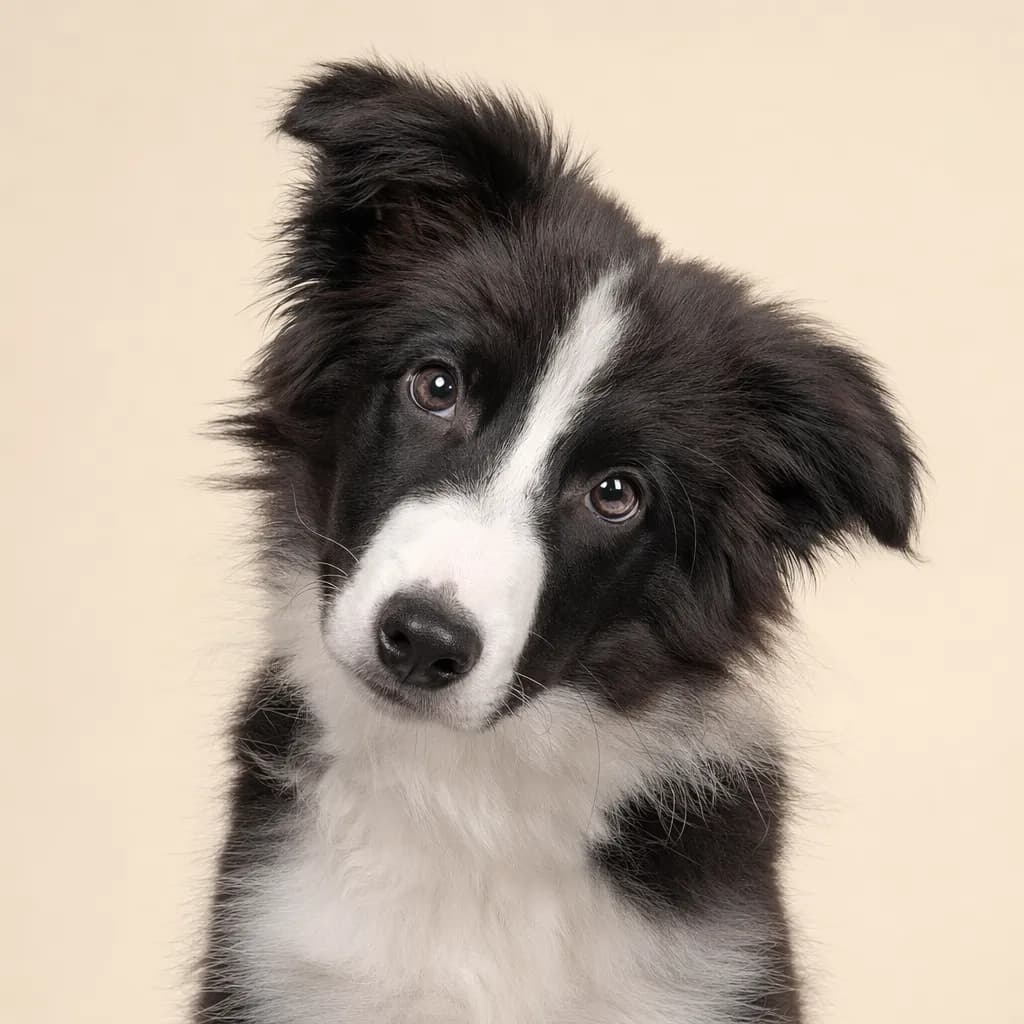
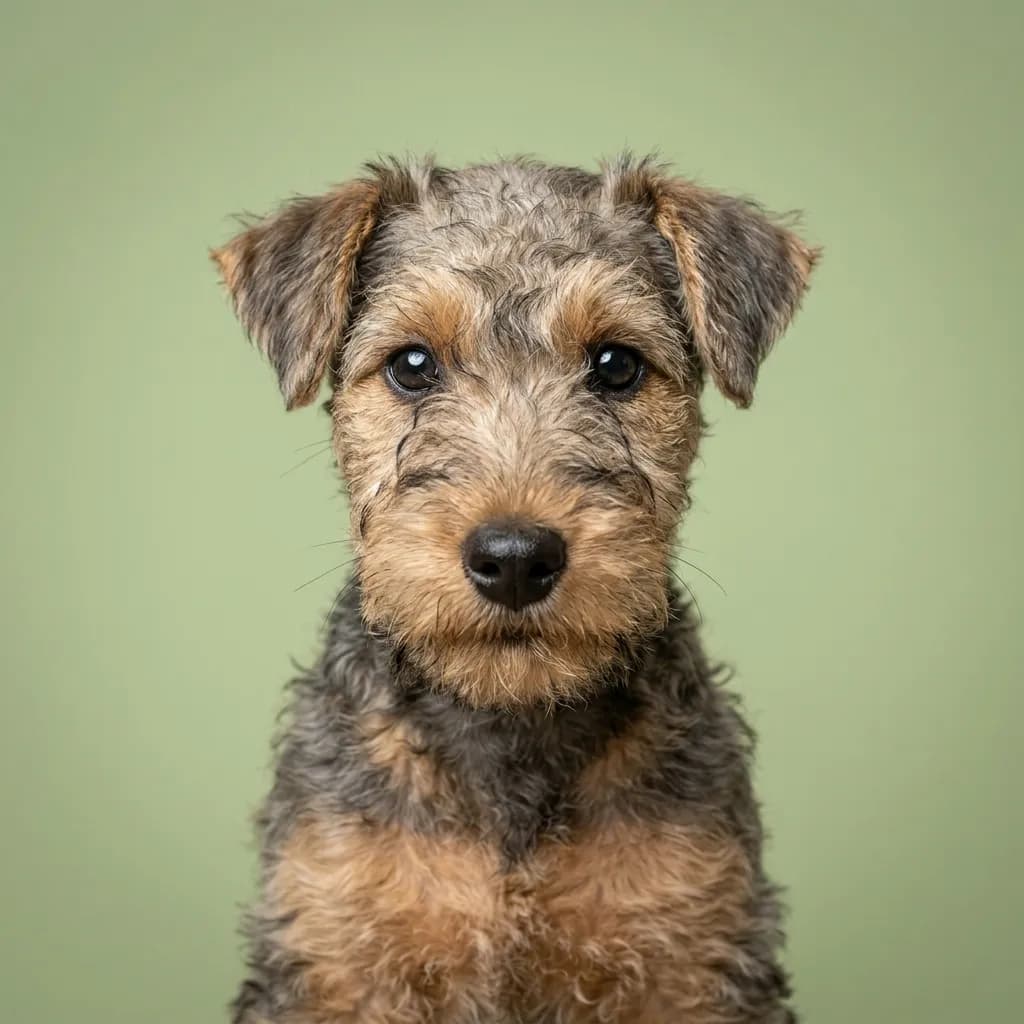
Border Collie vs Lakeland Terrier
Side-by-side comparison across all 14 AKC trait ratings, with a clear verdict on which breed fits which kind of household.
Not sure which breed fits your life?
Answer five questions about your home, your schedule, and your tolerance for shedding. We’ll match you to your top three breeds from over 200.
Border Collie vs Lakeland Terrier
People compare Border Collies and Lakeland Terriers because both are British, energetic, and fiercely loyal in their own ways. But that’s where the similarity ends. Think of it like choosing between a race car and a go-kart. Both can turn fast, but one is built for endurance, precision, and long stretches of high-speed focus. The other? Tough, scrappy, and ready to take on something twice its size with zero hesitation. The Border Collie is the ultimate canine athlete. At 30 to 55 pounds, it lives to work, learn, and move. If you’re into dog sports, long hikes, or just have a farm or big yard, this dog will thrive. But if you’re not actively engaging its brain and body every single day, you’ll end up with a very smart dog who reorganizes your garden. or chews through your baseboards. They’re affectionate but intense. Great with older, respectful kids, but might “herd” younger ones a little too hard. The Lakeland Terrier is smaller, around 17 pounds, bold as brass, and bred to go after foxes in rocky dens. That means it’s independent, game, and not always eager to obey. Training works, but it’s negotiation, not command. They’re better for homes without cats or small pets, and their wiry coat is lower shedding. good for some allergy sufferers. Don’t be fooled by their compact size. This dog needs activity and mental puzzles, just not the same relentless output the Border Collie demands. Here’s the real talk: if you want a dog that reflects your own energy and discipline, go Border Collie. But if you want a feisty, affectionate little daredevil who’ll keep you on your toes with attitude, the Lakeland’s your match. One wants to be your training partner. The other wants to be your co-conspirator.
Trait-by-trait
Higher bar = more of that trait. Shedding, barking, drooling, grooming flipped for readability.Where they diverge
Choose the Border Collie if…
- Active people
- Dog sports enthusiasts
- Experienced owners
- You value trainability — Border Collie scores noticeably higher.
Choose the Lakeland Terrier if…
- Active owners
- Experienced terrier handlers
- Allergy sufferers