Boxer vs Field Spaniel
Side-by-side comparison across all 14 AKC trait ratings, with a clear verdict on which breed fits which kind of household.
Not sure which breed fits your life?
Answer five questions about your home, your schedule, and your tolerance for shedding. We’ll match you to your top three breeds from over 200.
Boxer vs Field Spaniel
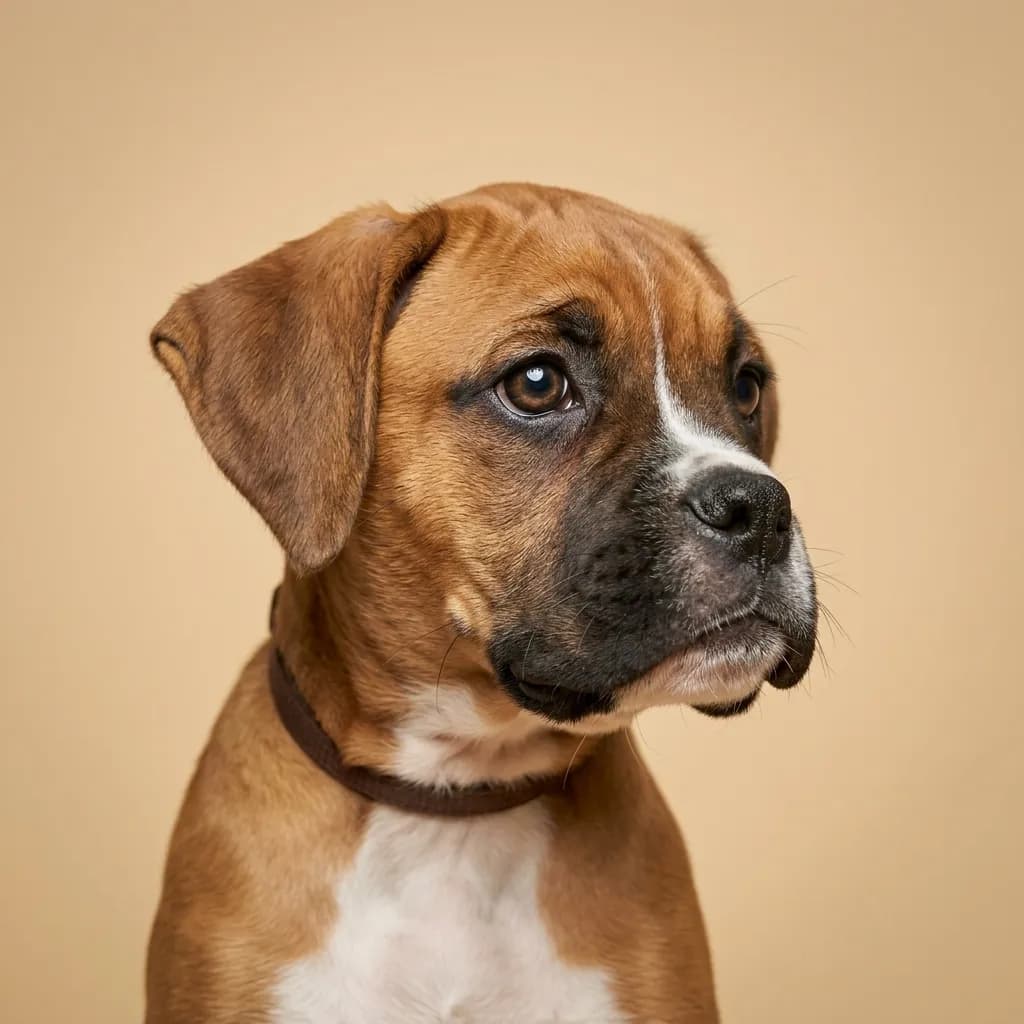
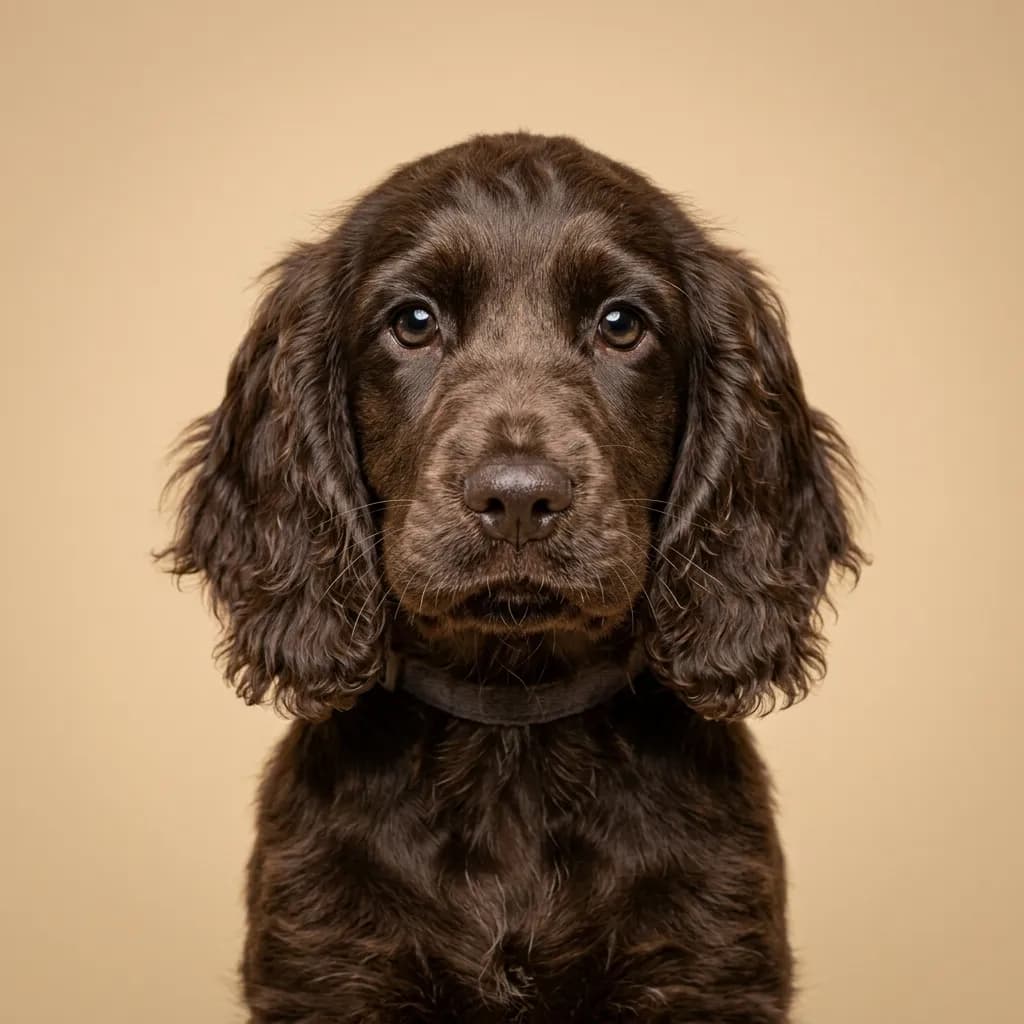
You don’t see Boxers and Field Spaniels lined up at the same dog park often, but people compare them when they’re after a loyal, family-friendly dog that’s more than just a couch buddy. Both are sweet with kids and eager to please, but that’s where the similarity tapers off. The Boxer is the energetic extrovert who’ll knock over your coffee table just to say good morning. Built like a compact tank at up to 80 pounds, this breed thrives on movement. long runs, training drills, playing chase. You’ll need space and stamina. They’re bright and responsive, yes, but their energy demands consistency you can’t fake. Skip a walk and you’ll find your shoes shredded. They’re also brachycephalic, so hot, humid days can be dangerous. If you live in a city apartment or hate cleaning slobber off the walls, think hard. The Field Spaniel, meanwhile, is the quiet poet of the two. Smaller, sleeker, and built for gliding through underbrush, they’re calmer indoors but still want daily adventures. especially if it involves water or a good sniff. Their silky coat needs weekly brushing and ear checks are non negotiable; those floppy ears trap moisture. But they adapt better to different living situations and tend to live a year longer. What the data won’t tell you? Field Spaniels bond deeply and can shut down if treated harshly. They need gentle guidance. Boxers, for all their size, are goofy clowns with a strong desire to be part of everything. But their health risks. especially heart issues. are more severe and often show up earlier. Choose the Boxer if you’re active, experienced, and want a bold family protector. Pick the Field Spaniel if you value calm affection, don’t mind grooming, and want a sensitive companion who’s happy to hike or nap on cue.
Trait-by-trait
Higher bar = more of that trait. Shedding, barking, drooling, grooming flipped for readability.Where they diverge
Choose the Boxer if…
- Families
- Active people
- Experienced owners
- You value drooling level — Boxer scores noticeably higher.
Choose the Field Spaniel if…
- Active families
- Hunters
- Homes with a yard
- You value affectionate w/ family — Field Spaniel scores higher here.