Boxer vs Finnish Lapphund
Side-by-side comparison across all 14 AKC trait ratings, with a clear verdict on which breed fits which kind of household.

Not sure which breed fits your life?
Answer five questions about your home, your schedule, and your tolerance for shedding. We’ll match you to your top three breeds from over 200.
Boxer vs Finnish Lapphund
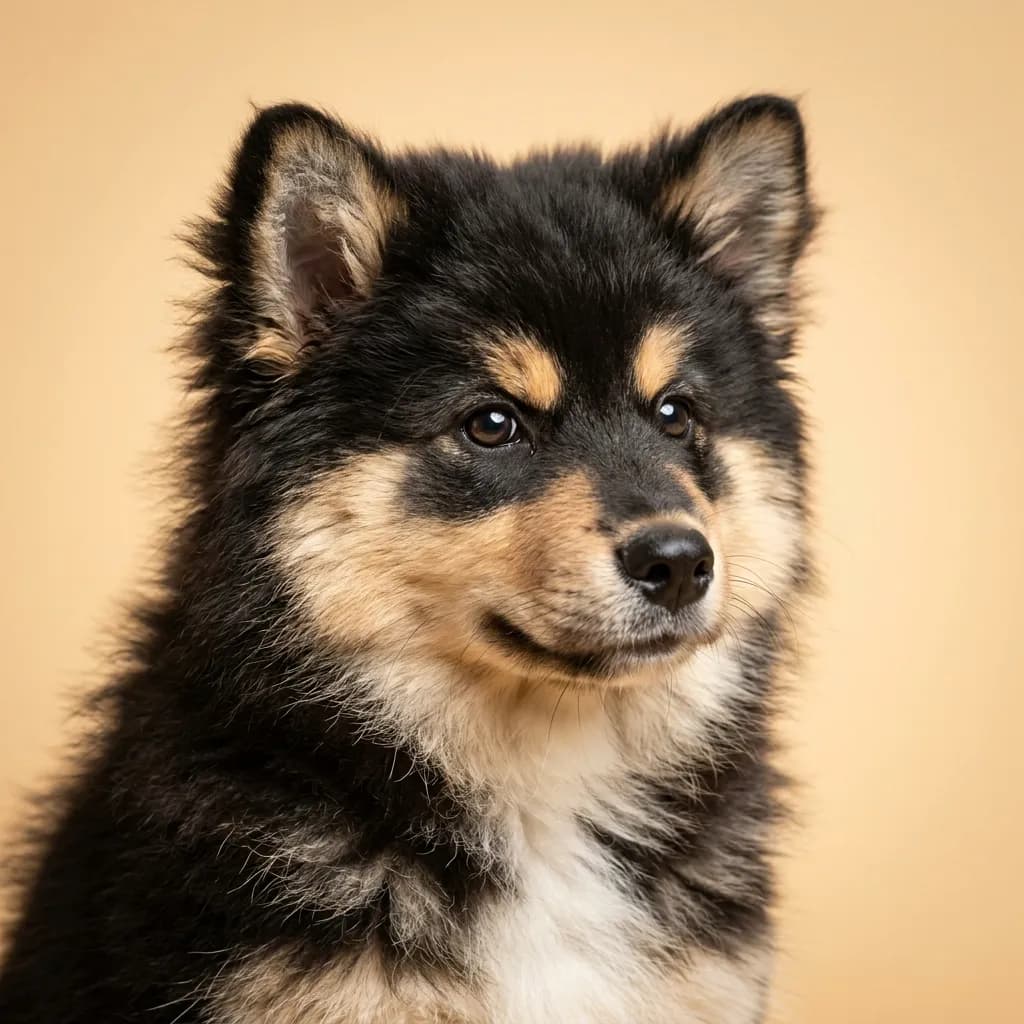
People compare Boxers and Finnish Lapphunds because both are loyal, family-friendly dogs with a spark of personality, but that’s where the similarity ends. One is a high-octane clown in a muscular frame; the other is a fox-faced charmer built for Arctic stamina. If you're torn between them, you're really asking: do I want a dog who thrives on intensity, or one who matches your rhythm in all seasons? Boxers are the extroverted athletes. loud, goofy, and always ready to sprint through the yard or wrestle with kids. They bond fiercely, scoring top marks for kid-friendliness and trainability, but they demand time. Their energy level is relentless, and their brachycephalic anatomy means hot weather is dangerous. You’ll spend more on vet checks too, given their vulnerability to heart conditions and breathing issues. They’re best for active households in cooler climates with space and experience. Finnish Lapphunds are the quiet diplomats. They’re not lazy, but their energy is sustainable. not explosive. Where a Boxer might bark at a leaf, a Lapphund will bark at a passing cloud; they’re wired to alert, a trait from centuries of guarding reindeer herds. Their thick double coat sheds heavily and needs brushing, especially in spring thaw. But they adapt better to varied living situations and first-time owners, and they live a few years longer on average. Here’s the real insight: Boxers need a job or they’ll invent one. like dismantling your couch. Lapphunds need inclusion. Leave them out, and their silence becomes aloofness. If you want a dog who’ll shadow you with quiet devotion and doesn’t turn every walk into a wrestling match, the Lapphund’s your fit. If you want a dog who feels like a live wire with a heartbeat, go Boxer. Just make sure your life can keep up.
Trait-by-trait
Higher bar = more of that trait. Shedding, barking, drooling, grooming flipped for readability.Where they diverge
Choose the Boxer if…
- Families
- Active people
- Experienced owners
- You value good with young children — Boxer scores noticeably higher.
Choose the Finnish Lapphund if…
- Active families
- Cold climates
- First-time owners
- You value shedding level — Finnish Lapphund scores higher here.