Boxer vs Spinone Italiano
Side-by-side comparison across all 14 AKC trait ratings, with a clear verdict on which breed fits which kind of household.
Not sure which breed fits your life?
Answer five questions about your home, your schedule, and your tolerance for shedding. We’ll match you to your top three breeds from over 200.
Boxer vs Spinone Italiano
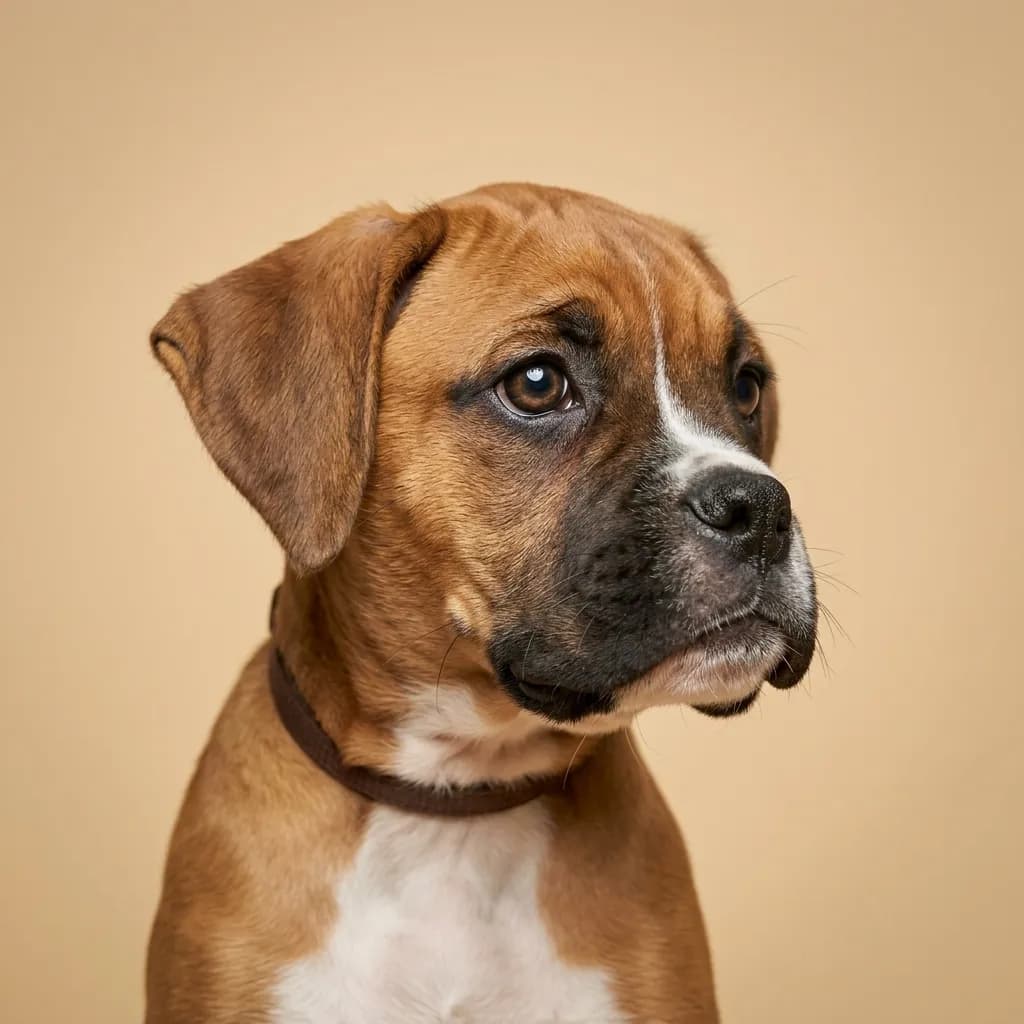
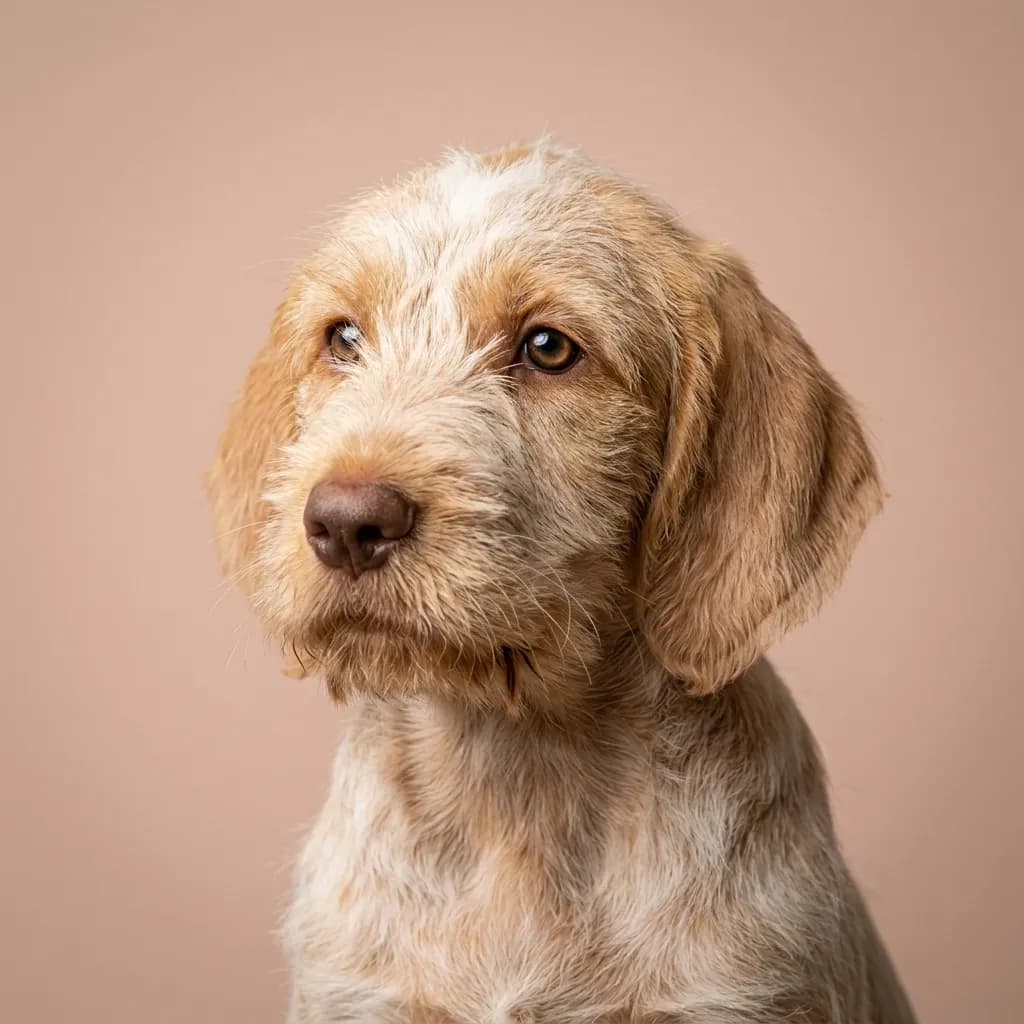
People compare Boxers and Spinone Italianos because they’re both medium-to-large, family-friendly dogs with floppy ears and goofy grins, but that’s where the similarities end. You’re not just choosing between two dog faces here, you’re picking lifestyles. A Boxer is a live wire in a tuxedo. They’re loud, bold, and built for action. If your weekends involve running, hiking, or dog sports, this breed thrives on it. They’re intensely loyal, love kids fiercely, and will shadow you from room to room. But they need space, structure, and serious daily exercise. They’re not suited for hot weather thanks to their brachycephalic airways, and their energy and barking can overwhelm quieter homes. The Spinone, on the other hand, is the calm country cousin. Bred for hours of steady hunting in rugged terrain, they’re slower to mature and less intense. They’re deeply affectionate but not demanding, happy to trail behind you in the garden or settle into long naps. They’re better with drool than drama, but you’ll deal with more slobber and ear care. They’re not couch potatoes, but their energy is steady, not explosive. The real difference? Pace. Boxers need an engaged, active handler who doesn’t mind chaos. Spinones suit families who want a gentle, rugged companion without the turbo button. Here’s the honest insight: Boxers grow up emotionally around age 4. Until then, they’re essentially giant, strong, impulsive puppies. The Spinone matures slower too, but with far fewer broken lamps. If you want a dog that looks wild but acts calm, the Spinone’s your pick. If you want a dog that matches your high-energy life with heart and horsepower, go Boxer. Just nail the training early.
Trait-by-trait
Higher bar = more of that trait. Shedding, barking, drooling, grooming flipped for readability.Where they diverge
Choose the Boxer if…
- Families
- Active people
- Experienced owners
- You value good with young children — Boxer scores noticeably higher.
Choose the Spinone Italiano if…
- Active hunting families
- Those wanting a gentle, patient breed
- Families with children
- You value affectionate w/ family — Spinone Italiano scores higher here.