Boxer vs Standard Schnauzer
Side-by-side comparison across all 14 AKC trait ratings, with a clear verdict on which breed fits which kind of household.
Not sure which breed fits your life?
Answer five questions about your home, your schedule, and your tolerance for shedding. We’ll match you to your top three breeds from over 200.
Boxer vs Standard Schnauzer
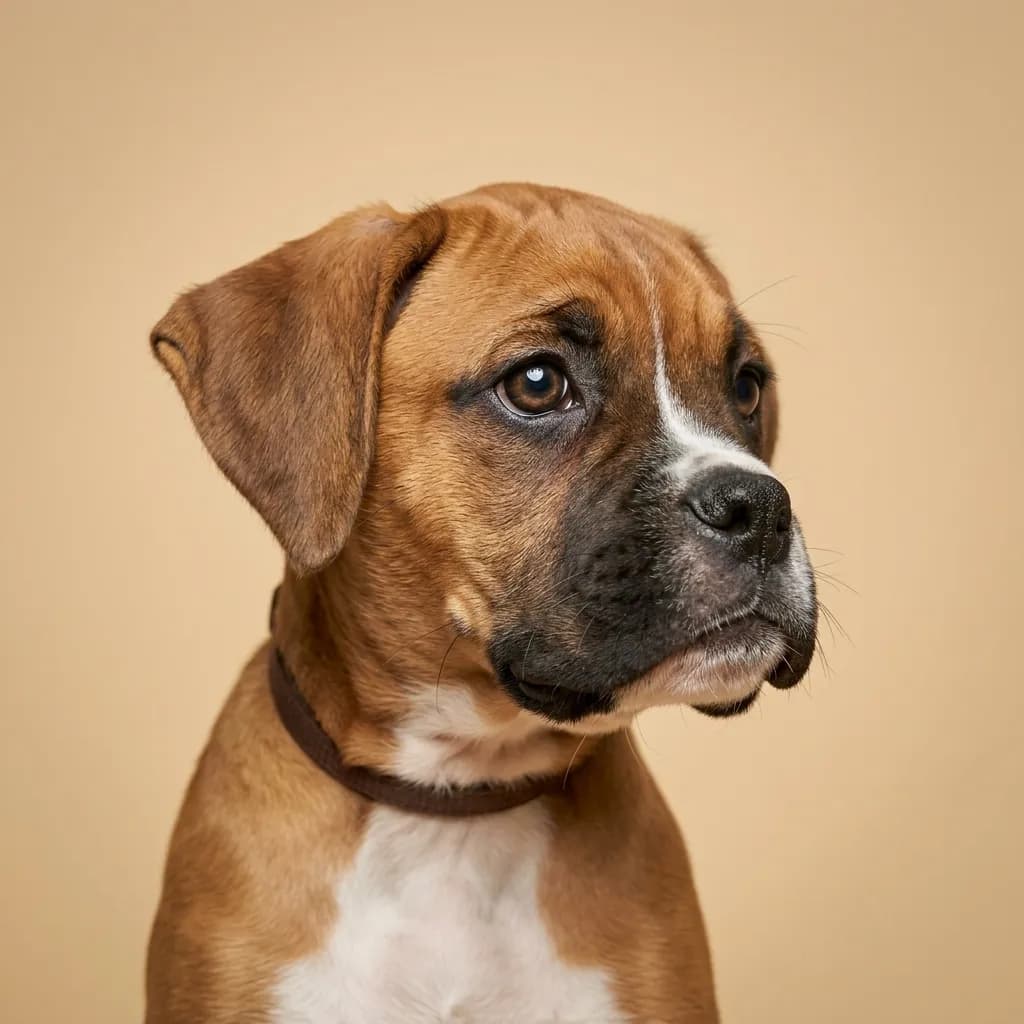
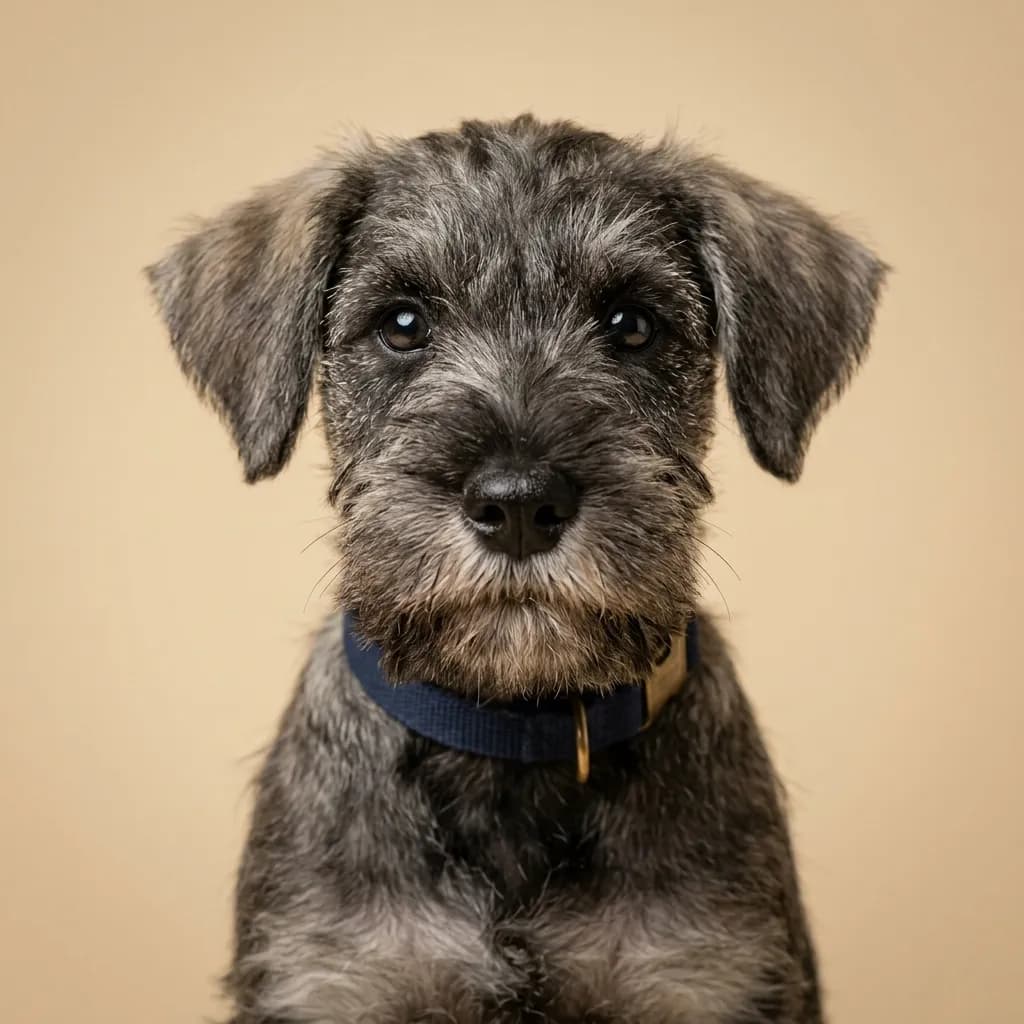
People compare Boxers and Standard Schnauzers because they’re both medium to large, square-jawed German working dogs with families in mind. On paper, they even share energy and smarts. But living with one versus the other? That’s where the paths split fast. Boxers are all heart and horsepower. They’re 70-pound goofballs who will knock over your coffee table just to lick your face, and they need space and stamina to match that 4/5 energy. If you’re active. running, hiking, playing yard games. they’re right there with you, grinning. But they’re not built for heat or tight spaces. That brachycephalic head means summer walks turn dangerous fast, and their adaptability score of 3/5 is generous. They’re also not the best fit if you can’t keep up physically. But if you want a deeply affectionate, kid-loving companion that’s always “on,” the Boxer’s your dog. Standard Schnauzers are sharper, quieter in spirit. At 30 to 50 pounds, they’re more compact, easier to manage, and far better in apartments or warmer weather. Their 5/5 trainability and mental stimulation needs mean they thrive in dog sports or structured homes. They’re loyal without being clingy, bold without being boisterous. And with minimal shedding, they’re a win for allergy-prone households. Here’s the real difference: Boxers demand your time and movement. Schnauzers demand your attention and consistency. If your life moves at a sprint, go Boxer. If it values precision and routine, choose Schnauzer. And here’s the insight no chart tells you: Boxers act like puppies for years. Schnauzers? They mature into watchful, almost sentient partners. One feels like a lifelong playmate. The other feels like a colleague who happens to sleep on your bed.
Trait-by-trait
Higher bar = more of that trait. Shedding, barking, drooling, grooming flipped for readability.Where they diverge
Choose the Boxer if…
- Families
- Active people
- Experienced owners
- You value shedding level — Boxer scores noticeably higher.
Choose the Standard Schnauzer if…
- Active owners
- Experienced dog owners
- Dog sports enthusiasts
- You value affectionate w/ family — Standard Schnauzer scores higher here.