Boxer vs Siberian Husky
Side-by-side comparison across all 14 AKC trait ratings, with a clear verdict on which breed fits which kind of household.
Not sure which breed fits your life?
Answer five questions about your home, your schedule, and your tolerance for shedding. We’ll match you to your top three breeds from over 200.
Boxer vs Siberian Husky
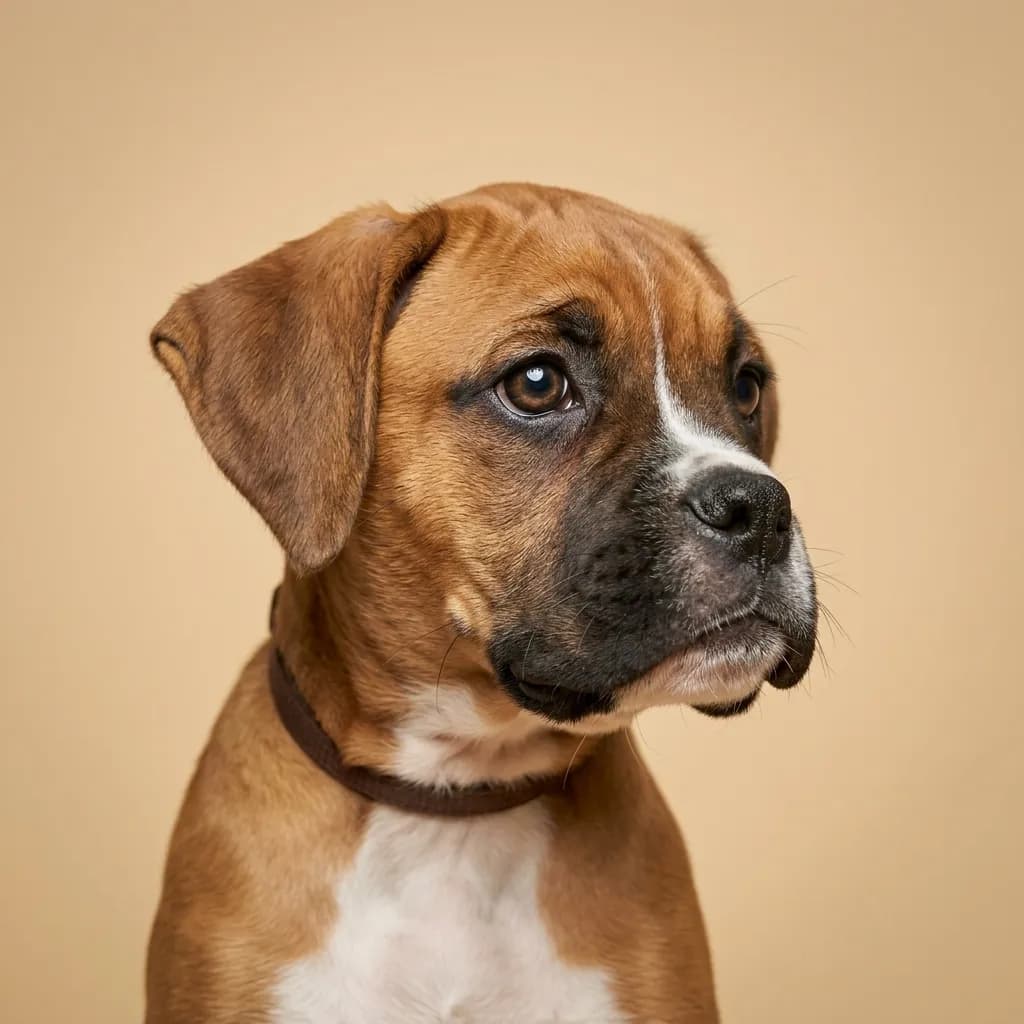
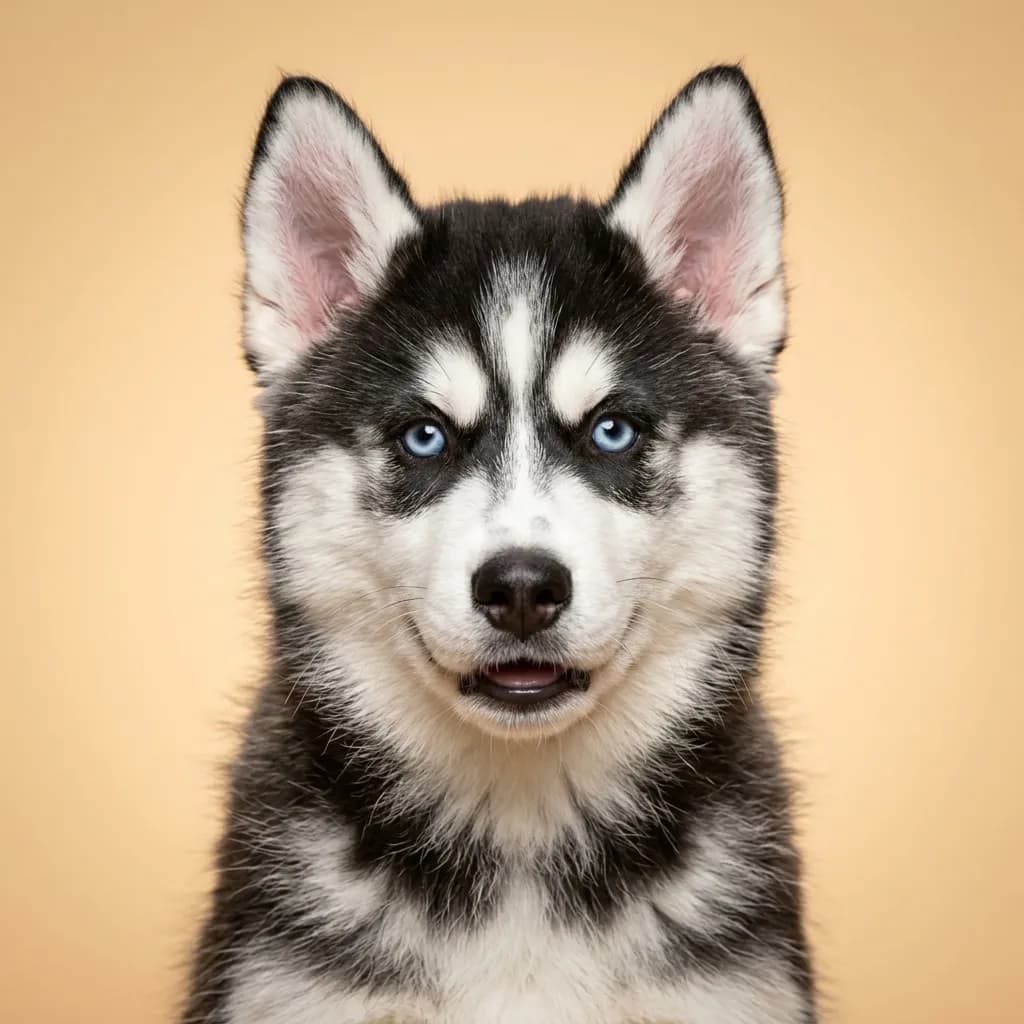
People compare Boxers and Siberian Huskies because they’re both medium to large, energetic family dogs with expressive faces and a playful streak. On paper, they even look similar. short coats, perky ears, and a love for kids. But living with one versus the other? That’s where things get real. Here’s the truth. A Boxer is your loyal shadow, the dog who’ll nudge your hand for pets, learn tricks in half an hour, and bark when the mailman breathes too loud. They’re smart, responsive, and eager to please. trainability 4/5 isn’t a typo. But they can’t handle heat. At all. That brachycephalic face means hot days can be dangerous. And while they’re not nonstop barkers, they do grunt, snort, and rumble like a small dragon in the living room. Now, picture the Siberian Husky. This dog was built for -40°F, not your suburban sidewalk in July. Their double coat sheds. hard. twice a year, like you’re living in a snowstorm of fur. But that coat keeps them cool in summer, weird as that sounds. The real issue? Independence. Huskies were bred to make decisions 100 miles from camp. That means they listen when they want to. Trainability 3/5 means you’ll need patience, consistency, and a secure fence. because they’ll bolt on a scent with zero hesitation. Families both can work, yes. But the Boxer fits better with structured, active homes that want a dog who bonds deeply and learns fast. The Husky? Best for people who hike, run, or mush, who embrace chaos, and don’t mind a dog that treats recall as a suggestion. The insight nobody talks about: Boxers mature into goofy, affectionate clowns. Huskies stay forever young. mischievous, impulsive, and emotionally 18 months old for life. You’re not just choosing a breed. You’re choosing a personality type.
Trait-by-trait
Higher bar = more of that trait. Shedding, barking, drooling, grooming flipped for readability.Where they diverge
Choose the Boxer if…
- Families
- Active people
- Experienced owners
- You value watchdog / protective — Boxer scores noticeably higher.
Choose the Siberian Husky if…
- Active owners who exercise daily
- Cold climate households
- Families with children
- You value good with other dogs — Siberian Husky scores higher here.