Boykin Spaniel vs Newfoundland
Side-by-side comparison across all 14 AKC trait ratings, with a clear verdict on which breed fits which kind of household.

Not sure which breed fits your life?
Answer five questions about your home, your schedule, and your tolerance for shedding. We’ll match you to your top three breeds from over 200.
Boykin Spaniel vs Newfoundland
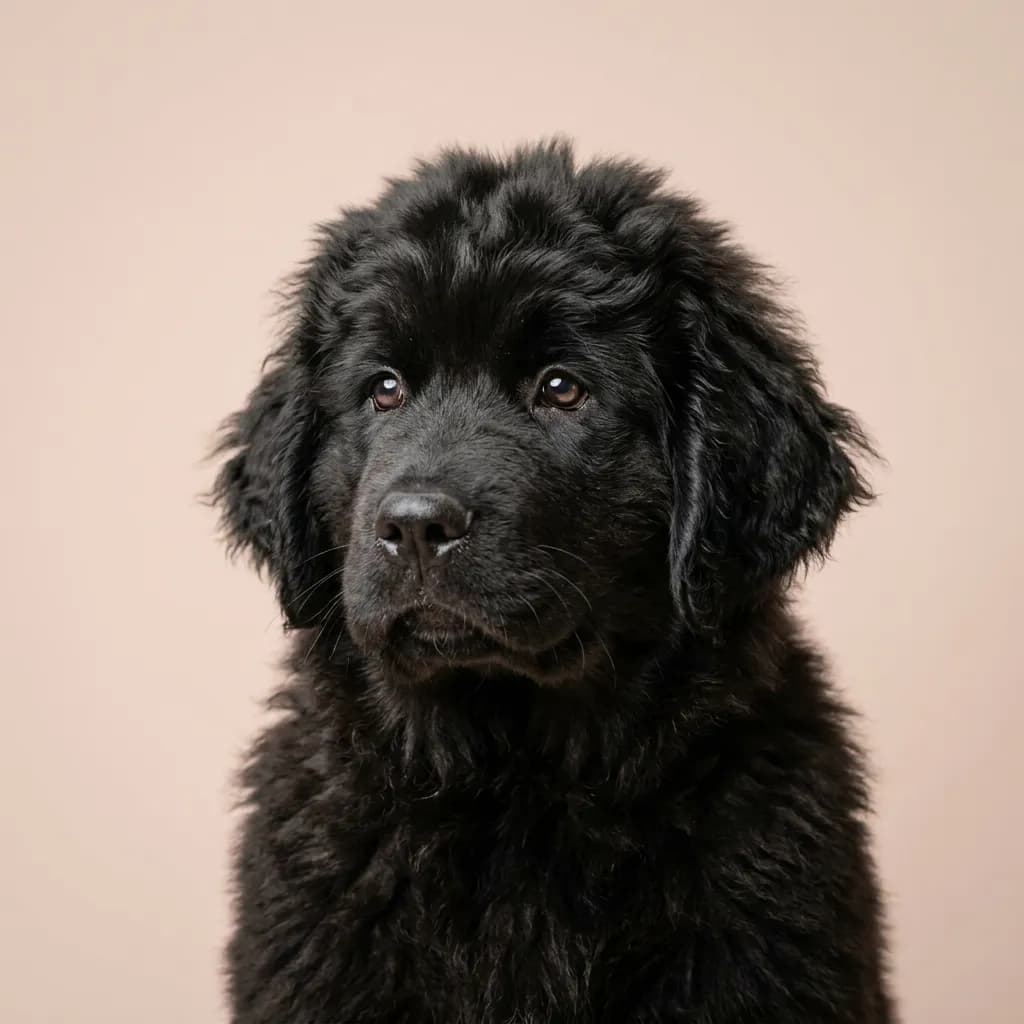
You don’t compare a Boykin Spaniel and a Newfoundland because they’re similar. You compare them because both are water-loving, family-friendly dogs with soft hearts and serious working chops. But that’s where the story splits. The Boykin is your compact, high-revving swamp dog. At 30 pounds, he’s light enough to toss in the canoe and energetic enough to keep up with the most driven hunters. He lives for action. flushing ducks, hiking trails, bouncing through creeks. He’s smart, eager to please, and bonds tightly with his people. Skip a walk and he’ll remind you with a chewed shoe. He’s built for active families in suburban homes with yards, not city apartments. And yes, he sheds a bit, barks some, but won’t smother you with gooey affection. he’s too busy planning the next adventure. The Newfoundland is the opposite kind of quiet. At 120 pounds or more, he’s a floating mountain of fluff and calm. Originally hauling nets and rescuing sailors off stormy coasts, he moves like a slow, wet cloud. He’s incredibly gentle with kids, barely barks, and wades through water like it’s his second home. But he drools on your laptop, sheds like a snowstorm in spring, and needs serious space. Bloat is a real threat, so feeding strategy matters. He’s not lazy, but his energy is deep, not wide. he’d rather lie at your feet after a swim than demand constant games. Here’s the truth beyond the data: the Boykin needs a job, the Newfoundland needs space. Pick the Boykin if you hunt, paddle, or run trails. Pick the Newfoundland if you want a calm, massive presence and have room. and don’t mind cleaning up after him. One’s a partner in adventure, the other’s a guardian of the hearth.
Trait-by-trait
Higher bar = more of that trait. Shedding, barking, drooling, grooming flipped for readability.Where they diverge
Choose the Boykin Spaniel if…
- Hunters
- Active people
- Families
- You value barking level — Boykin Spaniel scores noticeably higher.
Choose the Newfoundland if…
- Families with children
- Water and outdoor enthusiasts
- Those wanting a gentle giant
- You value drooling level — Newfoundland scores higher here.