Braque du Bourbonnais vs Keeshond
Side-by-side comparison across all 14 AKC trait ratings, with a clear verdict on which breed fits which kind of household.

Not sure which breed fits your life?
Answer five questions about your home, your schedule, and your tolerance for shedding. We’ll match you to your top three breeds from over 200.
Braque du Bourbonnais vs Keeshond
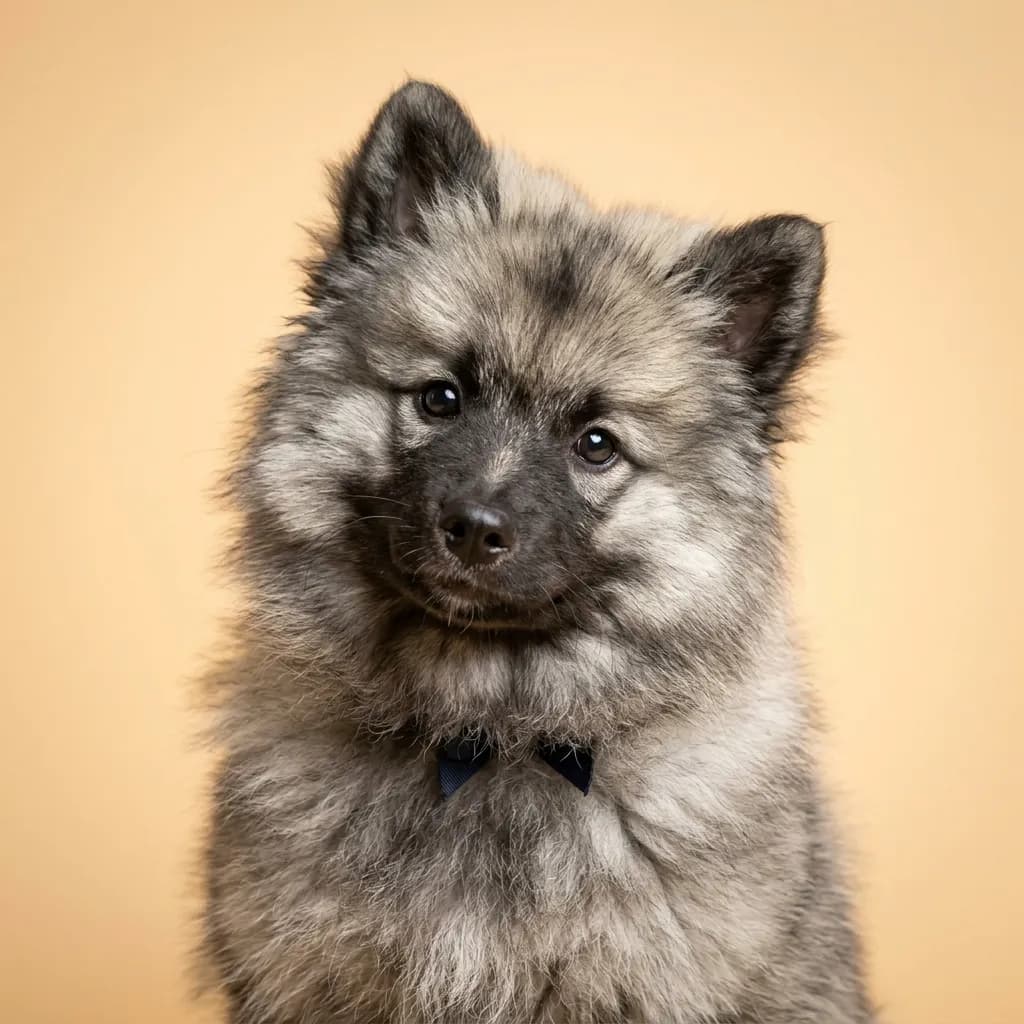
You’re probably comparing these two because they’re both medium-sized, affectionate dogs with thick coats and a lot of personality. but that’s where the similarities end. The Braque du Bourbonnais and the Keeshond come from entirely different worlds, and your lifestyle will decide which one actually fits yours. The Braque is a French bird dog built for movement, with an energy level that demands purpose. It’s not just about exercise. This dog needs space to quarter fields, a job to do, or at least a committed owner who’ll simulate hunting drills. It’s highly trainable and deeply affectionate with its family, but it’s not built for apartments or couch life. Without mental and physical outlets, it’ll get restless and quietly destructive. Think of it as a high-performance vehicle with a gentle soul. it runs best when pointed toward open fields. The Keeshond, meanwhile, is the friendly neighborhood watchdog with a fox-like face and a plume of a tail. It thrives on routine, human interaction, and cold weather. It barks. often. to alert and to chat. If you live in a quiet suburb or rural area, that’s fine. In an apartment? You’ll need to manage it. But for families, especially with kids, the Keeshond is gold. It’s adaptable, eager to please, and bonds tightly with everyone in the home. Here’s the real insight: the Braque wants to work with you, the Keeshond wants to live with you. One’s a hunting partner in the making, the other a furry family diplomat. If you don’t have access to land or fieldwork, the Braque’s brilliance won’t have room to shine. But if you want a dog that greets every day like a town meeting, the Keeshond won’t let you down.
Trait-by-trait
Higher bar = more of that trait. Shedding, barking, drooling, grooming flipped for readability.Where they diverge
Choose the Braque du Bourbonnais if…
- hunters and bird dog enthusiasts
- active rural families
- experienced pointer owners
Choose the Keeshond if…
- Families with children
- Active owners
- Cold climates
- You value good with young children — Keeshond scores higher here.