Braque du Bourbonnais vs Samoyed
Side-by-side comparison across all 14 AKC trait ratings, with a clear verdict on which breed fits which kind of household.

Not sure which breed fits your life?
Answer five questions about your home, your schedule, and your tolerance for shedding. We’ll match you to your top three breeds from over 200.
Braque du Bourbonnais vs Samoyed
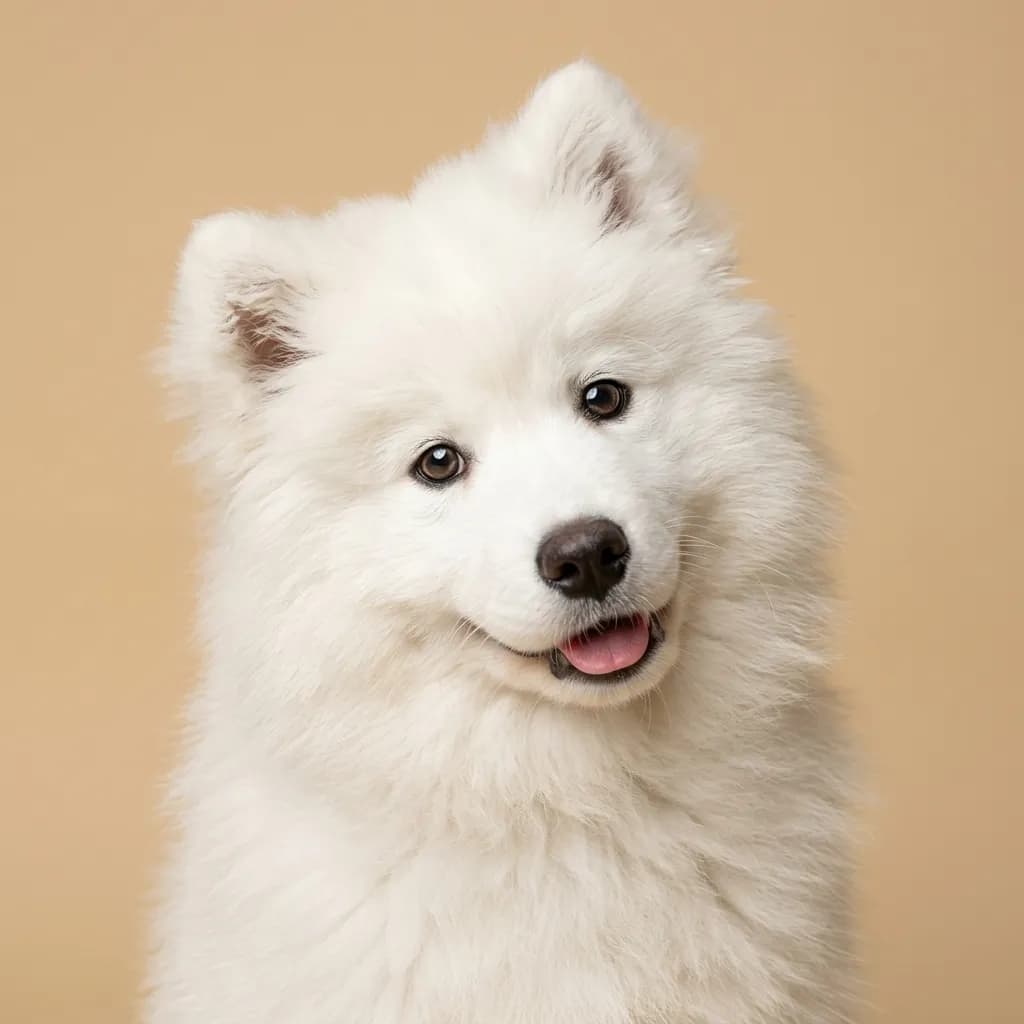
You’re probably comparing these two because they’re both medium-sized, white or light-colored dogs with a cheerful vibe and energy to burn. But that’s where the similarities end. Think of it this way: the Braque du Bourbonnais is your focused hunting partner who happens to cuddle well after a long day in the field, while the Samoyed is the social, grinning greeter who’ll bark at the mail truck, then try to befriend it. The Braque thrives where there’s space to sprint and a job to do. He’s bred to quarter fields, freeze in point, and retrieve with precision. He’ll bond fiercely with his family but isn’t the type to warm laps all evening. He’s quieter, sheds less, and needs serious physical output. without it, he’ll find his own entertainment, like redecorating your garden. Kids? He tolerates them, but he’s not built to keep up with chaotic play. The Samoyed, meanwhile, lives to engage. He’ll pull a sled, sure, but he’d just as happily pull you into the backyard for a game or a grooming session. He’s a barker. he was bred to guard herds and communicate. so city living or thin walls are a hard pass. His coat is stunning but demands brushing every other day unless you enjoy living in a wool shed. He’s deeply good with kids, adaptable to apartment life if exercised enough, and thrives on interaction. Here’s the real talk: the Braque wants a mission. The Samoyed wants to be your shadow. Pick the Braque if you hunt or run long trails and want a dog that works beside you. Pick the Samoyed if you want a loyal, vocal companion who’ll turn every walk into a neighborhood meet-and-greet. One is a specialist. The other is a socialite. Know which you need.
Trait-by-trait
Higher bar = more of that trait. Shedding, barking, drooling, grooming flipped for readability.Where they diverge
Choose the Braque du Bourbonnais if…
- hunters and bird dog enthusiasts
- active rural families
- experienced pointer owners
- You value good with other dogs — Braque du Bourbonnais scores noticeably higher.
Choose the Samoyed if…
- Active families
- Cold climate households
- Dog sports enthusiasts
- You value barking level — Samoyed scores higher here.