Broholmer vs Bullmastiff
Side-by-side comparison across all 14 AKC trait ratings, with a clear verdict on which breed fits which kind of household.

Not sure which breed fits your life?
Answer five questions about your home, your schedule, and your tolerance for shedding. We’ll match you to your top three breeds from over 200.
Broholmer vs Bullmastiff
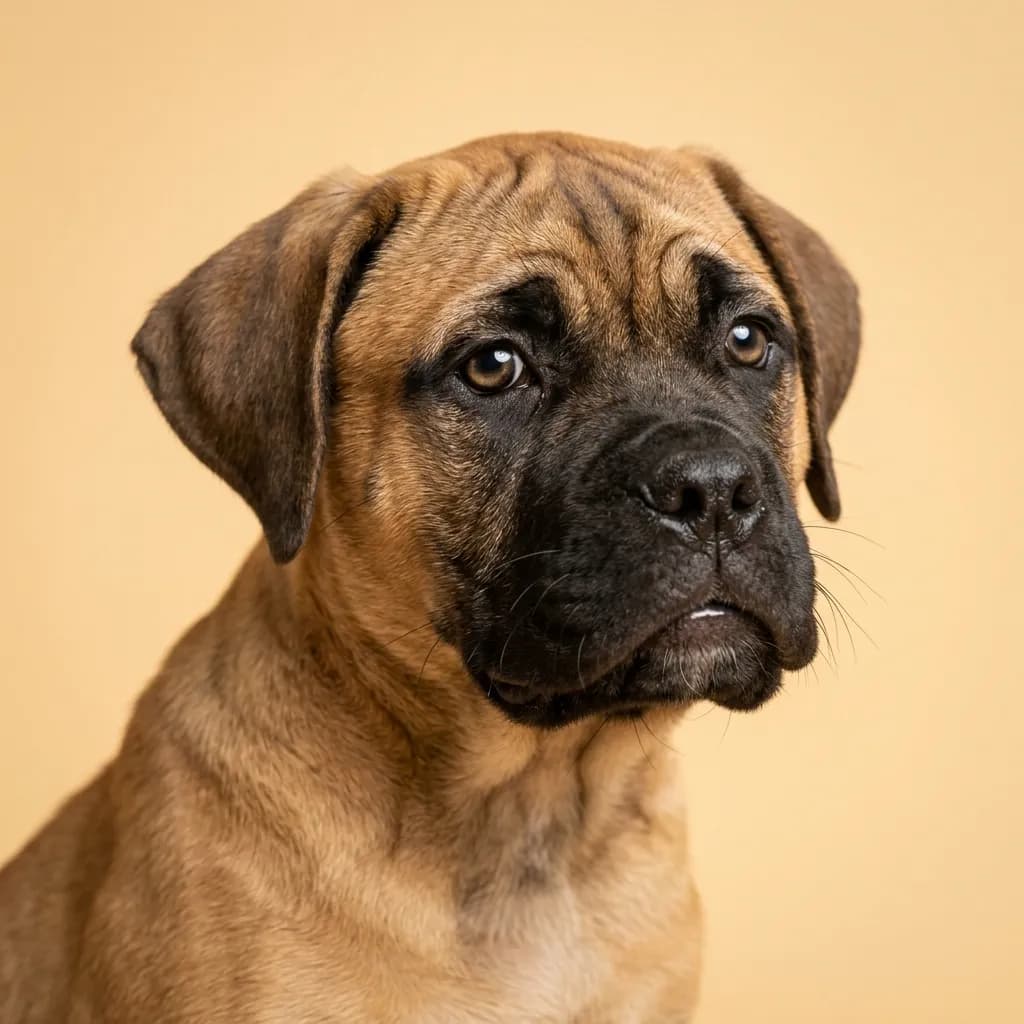
People compare Broholmers and Bullmastiffs because they’re both massive, powerful dogs with guardian roots and calm exteriors. On paper, they look like cousins. big, low-barking, moderately trainable, and built like tanks. But living with one versus the other? That’s where the real story unfolds. The Broholmer feels like a gentle giant you’ve borrowed from a Danish castle. He’s content to loaf beside you, needs less mental stimulation, and moves with a slow, deliberate grace. He’s friendly by nature, watchful without being suspicious, and bonds deeply with his family. But he’s also rarer, pricier, and built for open spaces. not your downtown condo. If you’ve handled big breeds before and want a calm, loving presence with moderate energy, he’s a standout. The Bullmastiff, though? He’s got fire under the calm. Originally bred to pin poachers, he’s more alert, more driven, and needs more mental engagement. He’s not hyper, but he’s not lazy either. You’ll need to stay on top of training because he’s strong-willed and will test boundaries if you’re inconsistent. He’s loyal to a fault and deeply affectionate, but he’s also more prone to health issues like cancer and hypothyroidism. Here’s the truth beyond the stats: both dogs are gentle with kids they’re raised with, but the Broholmer’s slightly easiergoing nature makes him a better fit for families with younger children. assuming you’ve got the space. The Bullmastiff’s protective instinct runs deeper, making him a sharper watchdog, but that also means he needs earlier and more consistent socialization. Choose the Broholmer if you want a serene, affectionate guardian who blends into family life. Choose the Bullmastiff if you want a more engaged, alert protector and don’t mind the extra work. Either way, you’re signing up for a dog that’s as big on loyalty as it is on size.
Trait-by-trait
Higher bar = more of that trait. Shedding, barking, drooling, grooming flipped for readability.Where they diverge
Choose the Broholmer if…
- experienced large-breed owners
- families with children
- homes with large yards
Choose the Bullmastiff if…
- Experienced dog owners
- Families with older children
- Homeowners with fenced yards
- You value energy level — Bullmastiff scores higher here.